
Akintunde Oyedokun
Research Analyst
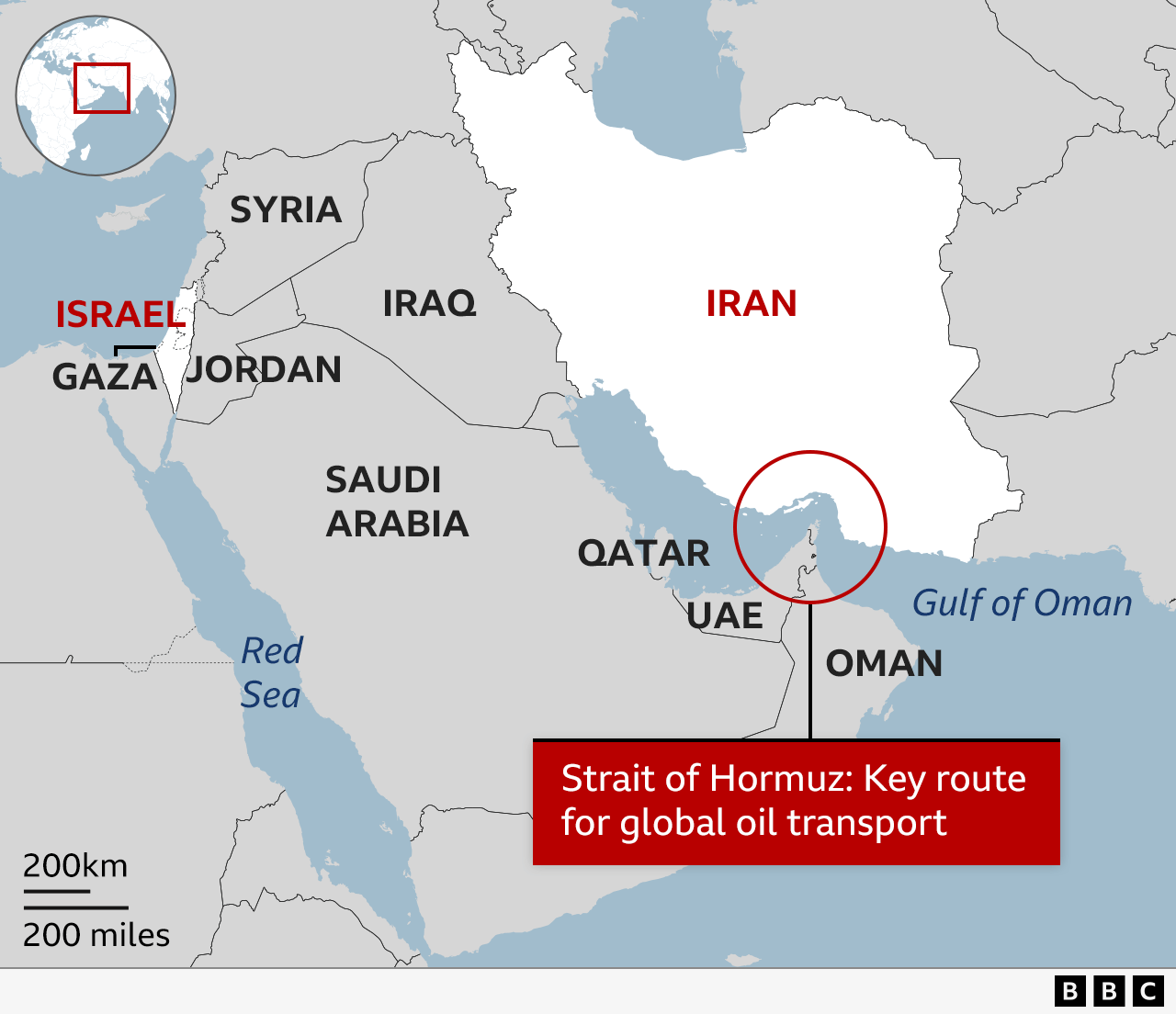
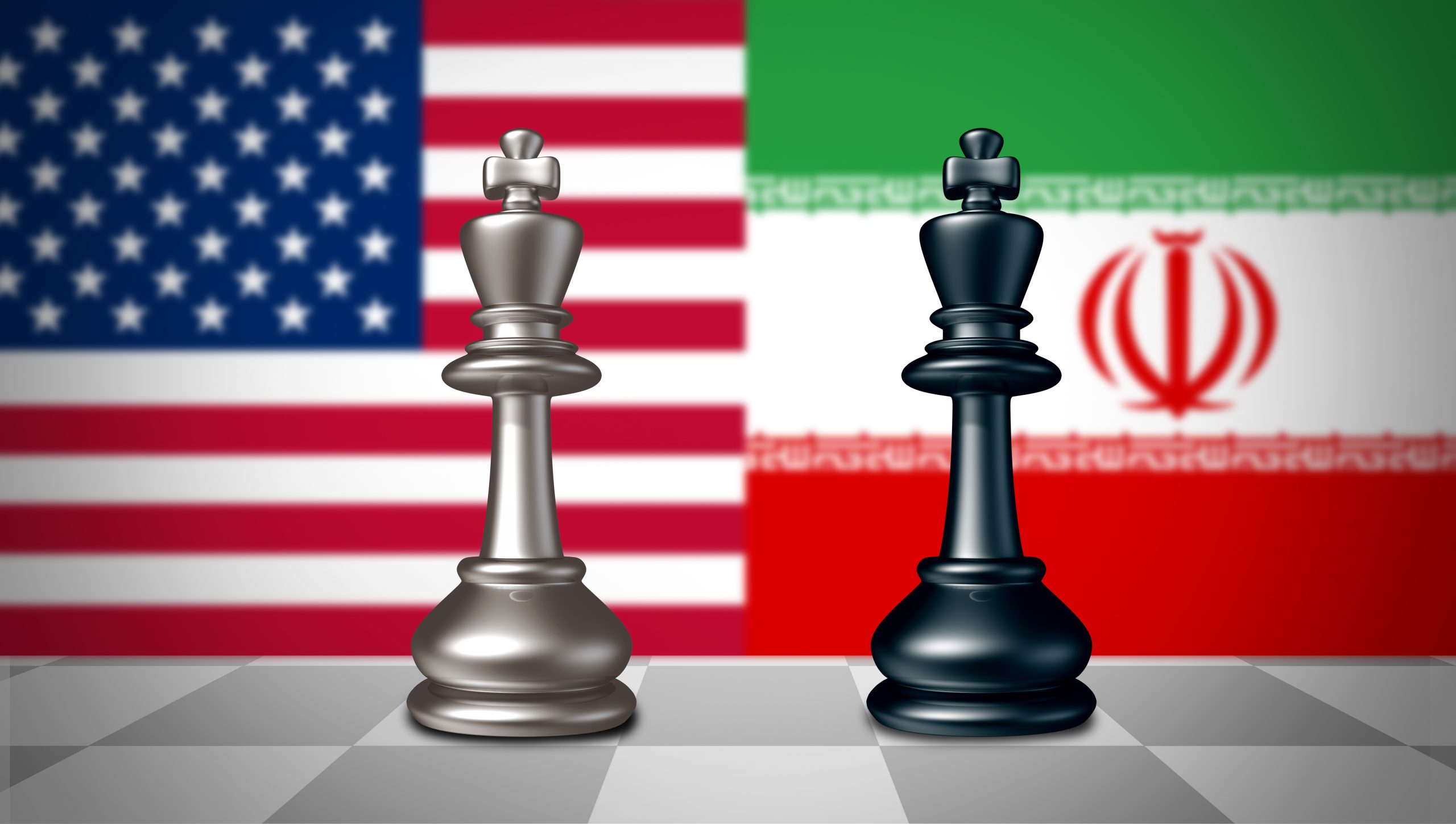
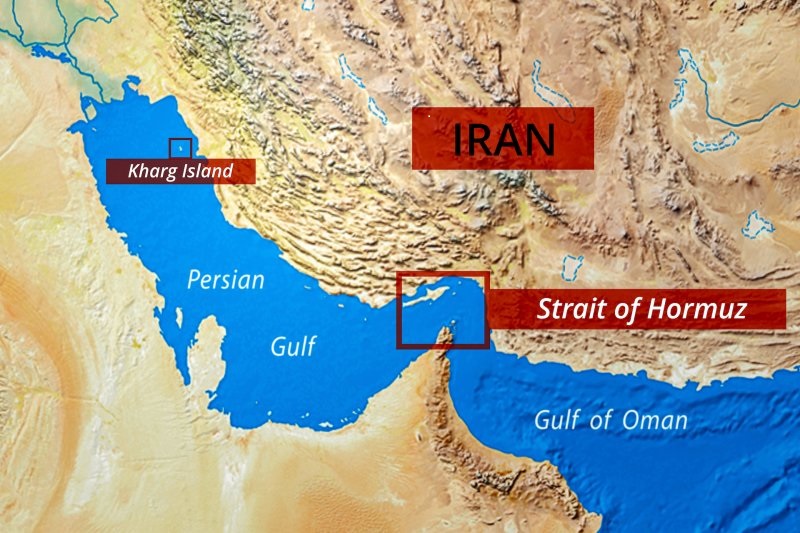
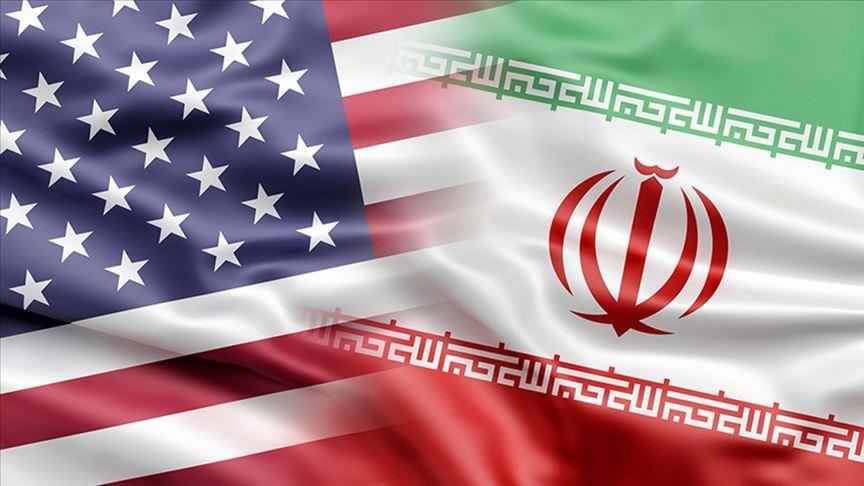
Oil prices remained near one-month highs on Thursday despite a slight pullback, as escalating U.S.-Iran tensions heightened concerns over supply disruptions. Brent crude slipped 0.2% to $84.76 a barrel, while WTI fell 0.2% to $79.43. Markets were supported by fears that disruptions to key Middle East oil routes could tighten global supplies and drive prices higher.
Strong U.S. Sales Push Inventory-To-Sales Ratio To Lowest Since 2021
U.S. business inventories rose 0.3% in May, in line with forecasts, while business sales climbed 2.1%. The stronger sales reduced the inventory-to-sales ratio to 1.28 months, the lowest since November 2021, highlighting steady domestic demand. Retail inventories gained 0.6%, wholesale inventories edged up 0.1%, and manufacturers’ stocks increased 0.2%.
Israel’s Economy Shrinks 3.8% in Q1
Israel’s economy contracted 3.8% in the first quarter, unchanged from earlier estimates, as the Iran conflict hit spending and exports. Higher fixed-asset investment partly cushioned the downturn. Growth is expected to recover in the second quarter, with the economy forecast to expand about 4% in 2026.
Senegal Eyes Lazard for Debt Advisory Role
Senegal is expected to appoint Lazard as its debt adviser as it seeks to strengthen public finances after revealing over $13 billion in previously undisclosed debt. The country is also negotiating a new IMF programme, while investors remain concerned over rising debt pressures despite the government’s rejection of debt restructuring.
Nigeria’s Cardoso Signals Caution on Rate Cuts Despite Inflation Slowdown
CBN Governor Olayemi Cardoso said easing inflation has improved prospects for future interest rate cuts, but global shocks, including the Iran conflict, have delayed the outlook. He said the bank will continue to base decisions on economic data, defending its decision to keep rates unchanged ahead of the July 20–21 MPC meeting.