
Akintunde Oyedokun
Research Analyst
Oil prices rose nearly 3% on Tuesday as supply concerns grew after disruptions in Saudi Arabia and Libya.
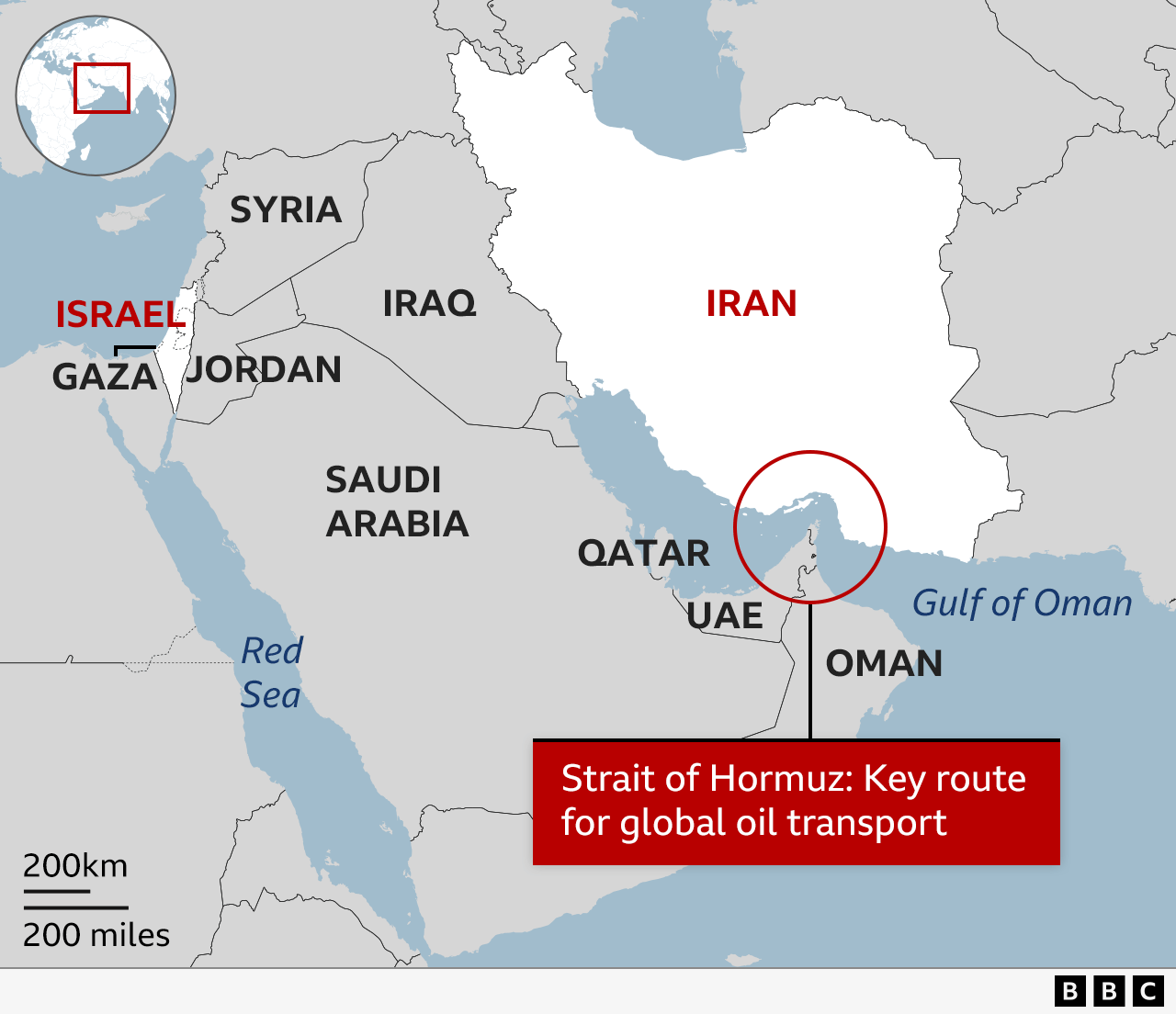
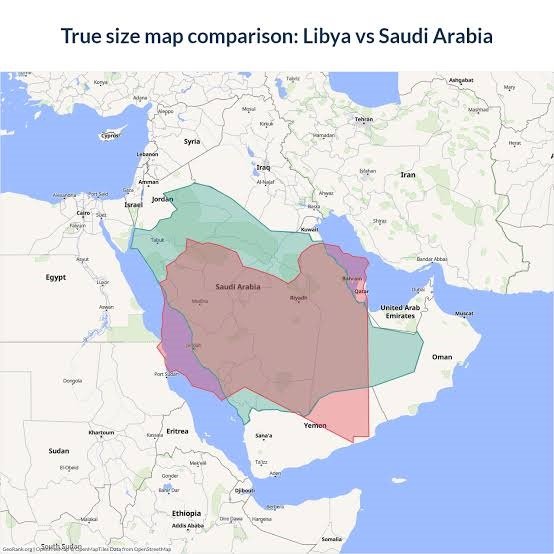
Brent gained 2.66% to $108.49 a barrel, while WTI rose to $104.68. Fresh attacks on Saudi energy infrastructure, halted Libyan oilfield operations and lower traffic through the Strait of Hormuz supported the increase.
Japan Imports Surge on Higher Oil Prices
Japan’s imports rose 28% year-on-year in August, the biggest increase in nearly four years, driven by higher oil and energy costs.
Exports also climbed 19.3%, supported by strong semiconductor demand, while the trade deficit widened to ¥1.106 trillion ($7.12 billion).
France Cuts 2026 Growth Forecast to 0.4%
The Bank of France cut its 2026 growth forecast to 0.4% from 0.5%, citing weak consumer spending, cautious business investment and uncertainty over energy prices and geopolitics.
Growth is expected to improve to 0.9% in 2027 and 1.2% in 2028, while inflation is projected at 2.3% this year before easing.
Angola Cuts Key Rate to 14.75% as Inflation Eases
Angola’s central bank cut its key interest rate by 100 basis points to 14.75%, its third consecutive reduction, as inflation fell to 8.78% in August from 9.33% in July.
The Bank of Angola also raised its 2026 growth forecast to 6.15% from 3.6%, citing stronger performance in the oil and non-oil sectors.
Nigeria’s Inflation Eases to 15.39% in August
Nigeria’s headline inflation slowed to 15.39% in August 2026, from 15.43% in July, according to the NBS.
Month-on-month inflation fell sharply to 0.71% from 1.57%, while food inflation dropped to 19.57% year-on-year from 25.30% a year earlier.
Core inflation also eased to 13.29%, compared with 22.93% in August 2025, reflecting a broader moderation in price pressures.