
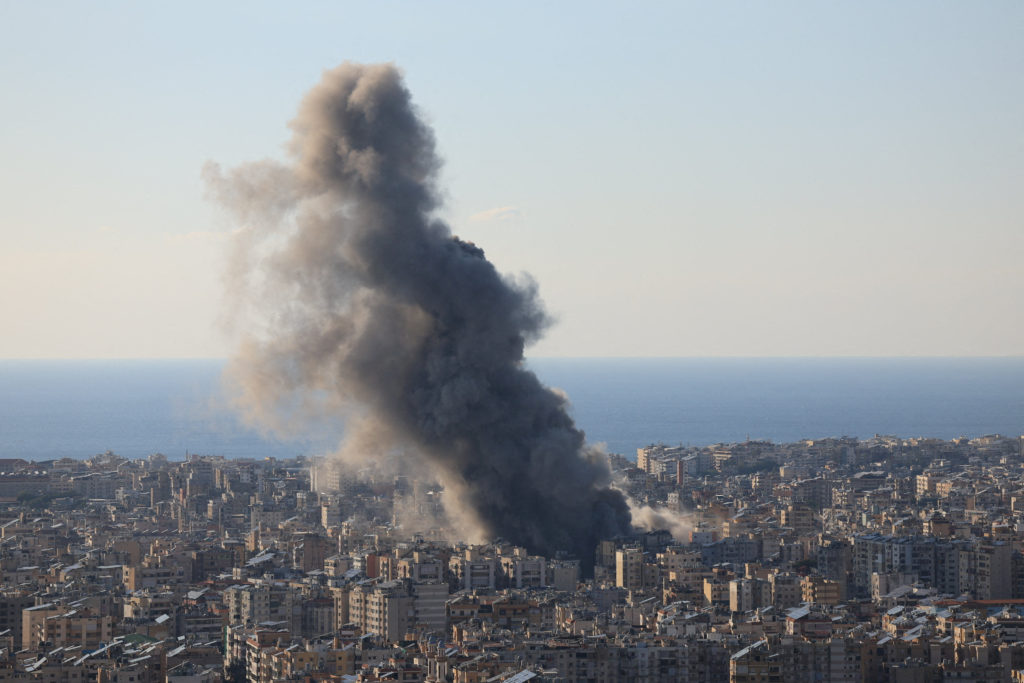
Smoke billows after an Israeli strike on Beirut's southern suburbs, following an escalation between Hezbollah and Israel amid the U.S.-Israeli conflict with Iran, Lebanon, March 2, 2026. REUTERS/Mohamed Azakir TPX IMAGES OF THE DAY
Global markets appear complacent, and investors should become more proactive to safeguard and grow wealth, warns the CEO of one of the world’s largest independent financial advisory organizations amid the escalating Iran conflict.
The warning from deVere Group’s Nigel Green comes as the intensifying conflict with Iran, the US and Israel, among other nations, pushes oil prices sharply higher, triggers heavy selling across Asian equities and unsettles global markets over the past 24 hours.
US and Israeli strikes on Iran have triggered retaliatory attacks across the Gulf, threatening shipping routes near the Strait of Hormuz — the narrow corridor responsible for transporting roughly 20% of the world’s oil supply.
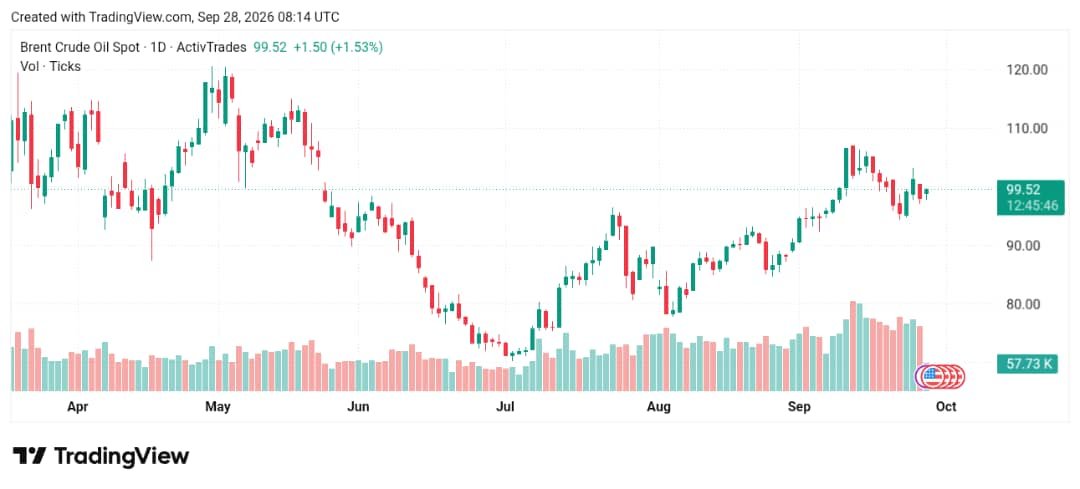
Oil markets have already reacted sharply, with Brent crude rising around 1.4% on Wednesday to roughly $82.5 a barrel after surging in the previous session.
Prices have climbed more than 12% in just a few days as traders assess the risk of a prolonged disruption to Middle East supply.
Stock markets are beginning to respond, although Nigel Green says the reaction still appears “restrained” given the scale of the geopolitical shock.
Asian equities suffered some of the sharpest moves on Wednesday.
South Korea’s KOSPI index plunged more than 10% in a single session, wiping out roughly $430 billion in market value and marking its steepest fall since the global financial crisis.
Wall Street has also felt the pressure. The S&P 500 fell around 0.9% in the latest trading session and briefly touched its lowest level in more than three months before recovering part of the losses by the close.
Despite the volatility, Nigel Green warns investors are still underestimating the potential economic consequences of the conflict involving Iran.
“Markets are reacting but the broader response still looks complacent.
“Investors appear to be assuming the conflict will remain limited and short-lived. Geopolitical shocks tied to global energy supply rarely unfold in such a tidy way.”
The consequences extend far beyond energy markets. “Energy sits at the core of the global economy,” notes the deVere CEO. “As oil prices surge because supply routes near Iran are threatened, the effects feed into transportation costs, manufacturing, agriculture and consumer prices.”
He warns that the inflation outlook could shift quickly if oil continues rising.
“Energy prices are one of the fastest ways geopolitical tensions translate into economic pressure. When crude rises sharply, it pushes costs higher across supply chains and can complicate the outlook for inflation and interest rates.”
Financial markets had been positioned for easing inflation and gradually lower borrowing costs this year, he notes, but the war involving Iran introduces a significant new risk to that outlook.
“Investors had been pricing in a relatively stable economic backdrop,” Nigel Green says.
“The conflict involving Iran introduces a powerful new variable that markets may not yet be fully reflecting.”
He believes recent market behaviour reflects a pattern that has developed over the past decade.
“Financial markets have become accustomed to geopolitical shocks fading quickly,” observes the CEO.
“This experience has created a degree of complacency in portfolio positioning.”
He argues the current crisis deserves far greater attention from investors. “The Middle East remains central to the global energy system. Should tensions involving Iran escalate, the economic implications will spread across energy markets, inflation and financial assets worldwide.”
Investors should be reviewing portfolio positioning now rather than waiting for volatility to intensify, he adds.
“Periods of geopolitical stress create both risks and opportunities,” Nigel Green says.
“Energy producers and commodities often benefit when supply is threatened, while sectors exposed to rising costs can face significant pressure.”
Diversification remains critical. “Investors should ensure their portfolios are balanced across regions, sectors, asset classes and currencies so they are better prepared when volatility rises.
“Concentrated portfolios are particularly vulnerable when geopolitical tensions escalate.”
The deVere CEO concludes: “Complacency must be avoided by investors right now.
“The war involving Iran, the United States and Israel is already affecting energy markets, inflation expectations and global equities.”
“Investors who act early to strengthen portfolios place themselves in a far stronger position to safeguard and grow their wealth as geopolitical risk moves back to the centre of global markets.”