
Akintunde Oyedokun
Research Analyst
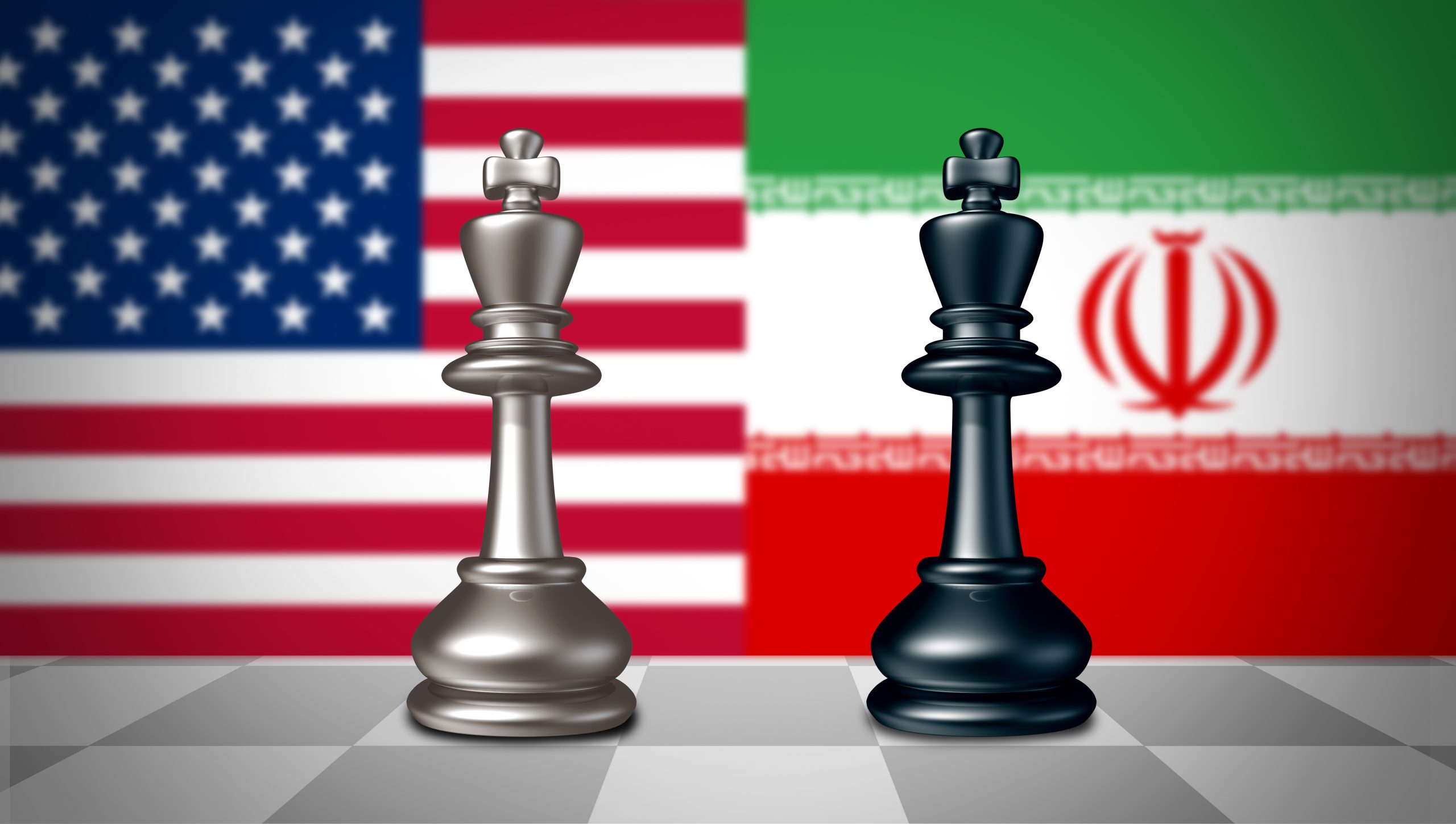
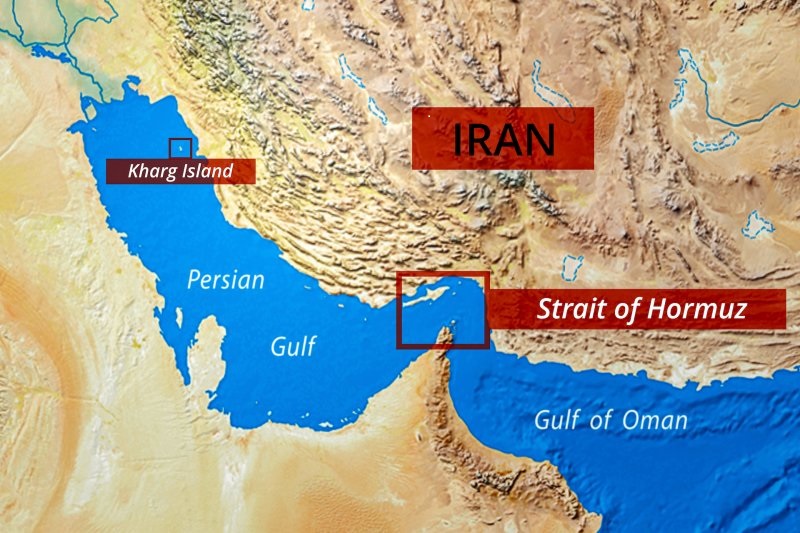
Oil prices dipped on Tuesday as hopes of U.S.–Iran talks eased fears around the Strait of Hormuz.
Brent crude fell 0.4% to $95.08, while West Texas Intermediate dropped to $89.20 after Monday’s sharp rally.
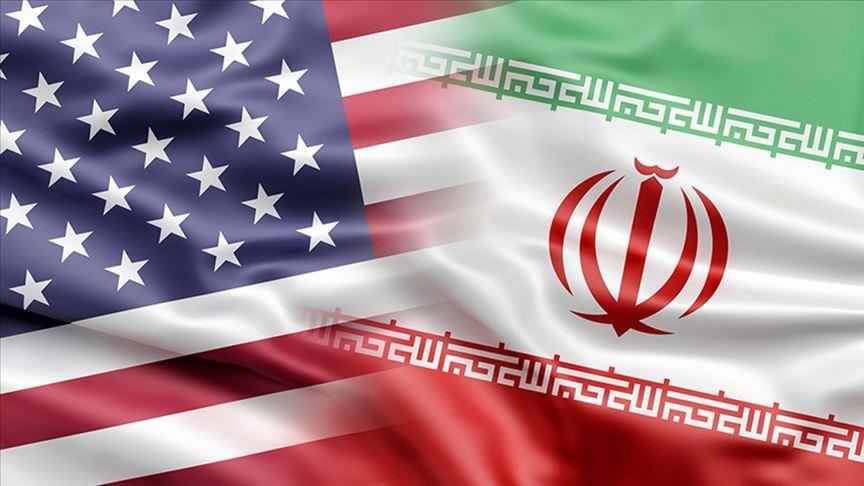
U.S. President Donald Trump signaled no extension of the Iran ceasefire, while uncertainty remains over talks. The Hormuz route, carrying about 20% of global oil, is still constrained.
EU Energy Commissioner Dan Jorgensen warned of possible summer fuel shortages in Europe.
UK Job Market Cools Slightly As Wage Growth Slows, Unemployment Falls Unexpectedly
UK wage growth eased to 3.6% in the three months to February from 3.8%, slightly above forecasts, according to the ONS.
Unemployment fell unexpectedly to 4.9% from 5.2%, but this was driven by rising inactivity rather than job gains, with students making up most of the increase.
The Bank of England is monitoring wage trends closely amid inflation concerns and energy price risks, as policymakers weigh growth against price stability.
German Investor Sentiment Hits Over 3-Year Low On Energy Supply Fears
German investor confidence dropped to a three-year low in April as the ZEW index fell to -17.2, down from -0.5 in March and worse than forecasts.
The decline reflects rising concerns over energy supply risks linked to the Iran conflict and higher oil prices after US-Israeli strikes. Fears of disruptions in the Strait of Hormuz have further pressured Europe’s largest economy.
ZEW said uncertainty is weakening investment across major industries, while Germany’s growth outlook is expected to be downgraded.
South Africa Flags Inflation Risks As Iran War Shifts Rate Outlook
South Africa’s central bank warns the Iran conflict could push inflation higher, though it still expects it to stay within its 3% ±1% target band.
Inflation is projected to average 3.7% in 2026 before easing to target by 2027. However, prolonged conflict and higher oil prices—above $97 per barrel in a worst-case scenario—could derail this outlook.
Markets now expect two rate hikes this year, reversing earlier forecasts of cuts. The policy rate remains at 6.75% after a November 2025 cut.
Remittances By Nigeria’s Power Distribution Firms Slip To 91% In Q4 2025
Nigeria’s DisCos remitted N77.99 billion in Q4 2025, achieving 91.19%, down from 95.13% in Q3, according to the Nigerian Electricity Regulatory Commission.
Shortfalls were recorded by Jos Electricity Distribution Company and Kaduna Electricity Distribution Company, reflecting ongoing liquidity challenges despite reforms under the Electricity Act 2023.
Mounting pressures from meter refund obligations and planned subsidy restructuring continue to strain the sector’s financial stability.