
Akintunde Oyedokun
Research Analyst
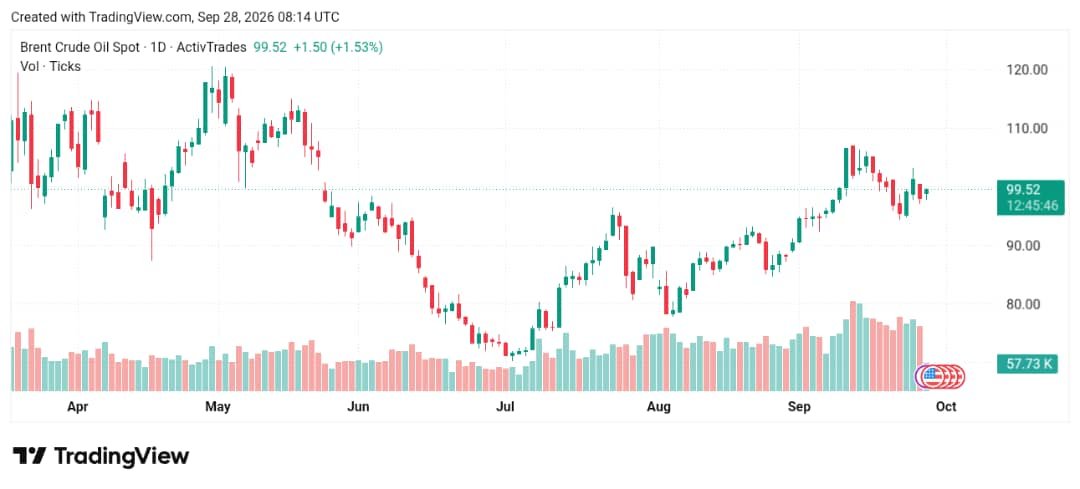
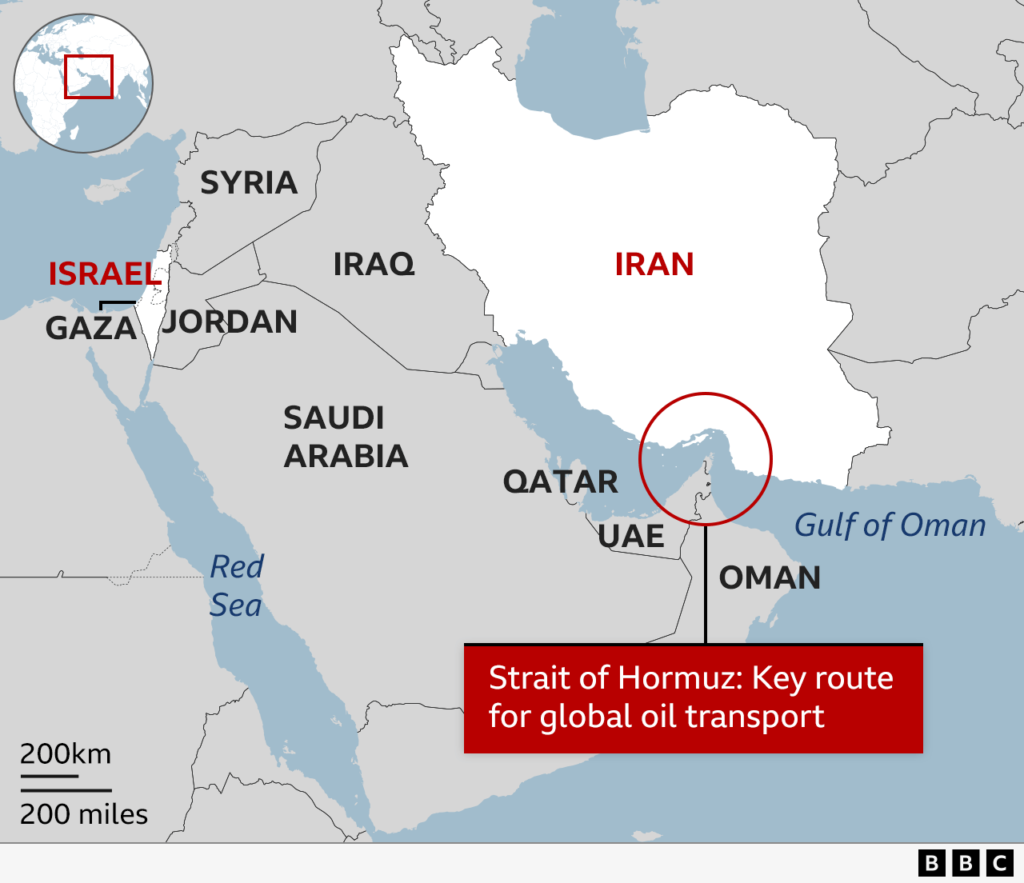
Oil prices rose about 2% on Wednesday after reports of attacks on ships in the Strait of Hormuz and stalled U.S.–Iran peace talks raised supply concerns.
Brent crude climbed to $100.19, while WTI rose to $91.36, extending earlier gains.
Tensions in the key shipping route, which handles about 20% of global oil flows, along with lower U.S. inventories and tight supply expectations, supported the rally.
Japan Exports Rise for 7th Month on AI Demand Despite Middle East Risks
Japan’s exports climbed for a seventh straight month in March, driven by strong AI-related demand.
Exports rose 11.7% year-on-year, while imports increased 10.9%. Trade surplus stood at 667 billion yen ($4.18 billion), below expectations.
Growth was supported by AI and data centre demand, but exports to the Middle East fell 45.9%. Rising oil prices and supply risks remain a concern, while the Bank of Japan is expected to keep rates steady.
UK Inflation Climbs to 3.3% as War-Driven Energy Shock Fuels Price Pressures
UK inflation rose to 3.3% in March from 3.0% in February, driven mainly by higher fuel and energy costs linked to the Iran conflict.
Fuel prices jumped sharply, while producer costs recorded one of their biggest monthly increases on record. Services inflation also edged up slightly, though core inflation dipped.
Economists expect the Bank of England to keep interest rates unchanged as it weighs weak growth against rising price pressures.
Morocco Inflation Rises to 0.9% as Fuel Costs Drive Subsidy Return
Morocco’s inflation rose to 0.9% in March, up from -0.6% in February, official data showed.
Food prices increased 0.6%, while non-food items rose 1.1%. Core inflation climbed 0.6% year-on-year and 0.1% month-on-month.
Higher fuel costs linked to the Iran conflict pushed the government to restore subsidies for transport operators and maintain support for electricity and cooking gas. The scheme is estimated to cost 1.6 billion dirhams ($170 million) monthly.
Nigeria’s Debt Service Hits N16tn in 2025 as Interest Costs Surge
Nigeria’s debt service rose to N16 trillion in 2025, a 22.9% increase from 2024, driven mainly by higher domestic interest payments, according to the Debt Management Office.
Domestic debt accounted for the largest share, with interest-heavy obligations leading the surge, while external debt service grew more slowly despite continued Eurobond repayments.
Overall, rising borrowing costs and growing debt levels continue to put pressure on government finances.