
Akintunde Oyedokun
Research Analyst
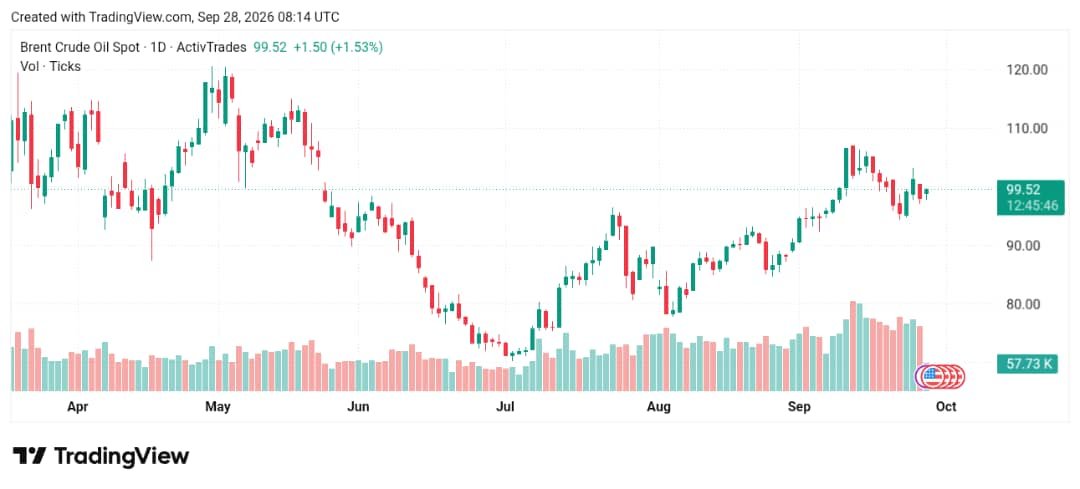
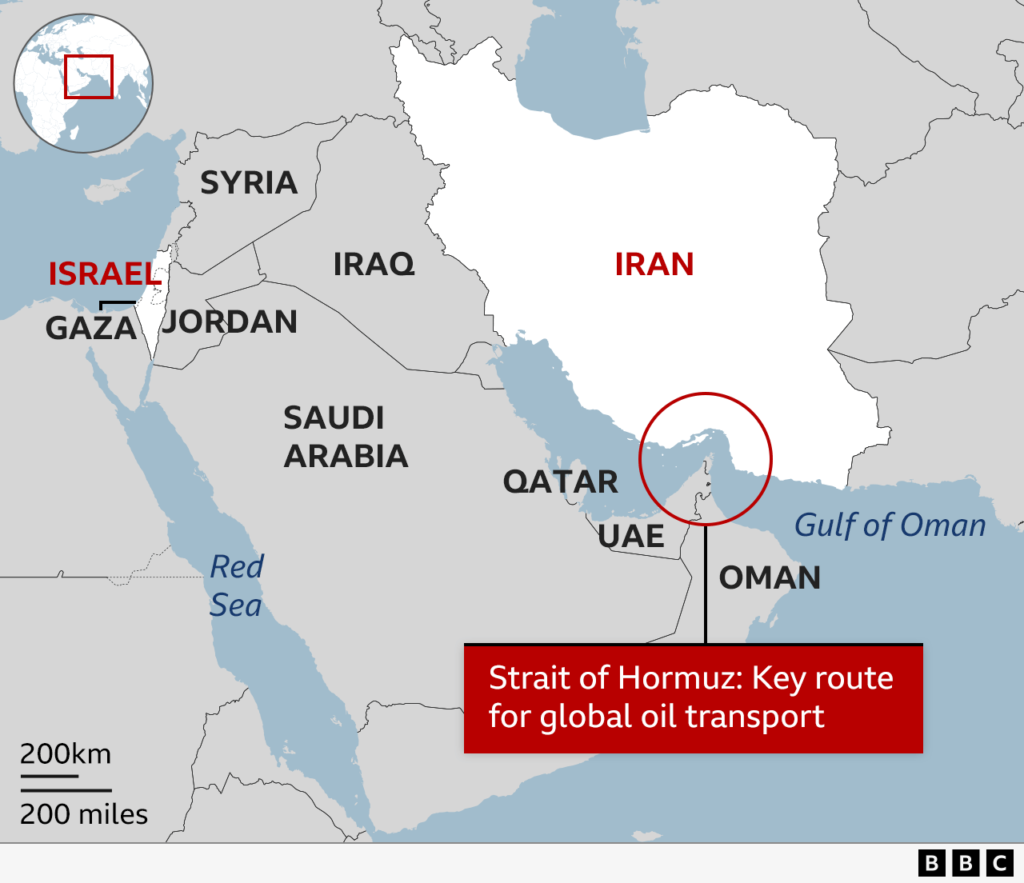
Oil prices fell sharply on Friday, with Brent down 9% to $90.38 and WTI losing 11.45% to $83.85, after Iran confirmed the Strait of Hormuz remains open and supply concerns eased.
The decline reflects improving sentiment as shipping resumes and progress in U.S.-Iran talks, alongside a regional ceasefire, raises hopes of de-escalation.
However, supply to Europe may remain tight in the near term due to transit delays, while uncertainty persists if negotiations fail.
U.S. Factory Output Slips in March as Auto Production Weakens
U.S. manufacturing output fell 0.1% in March after a 0.4% rise in February, missing expectations, according to the Federal Reserve.
The decline was driven by a 3.7% drop in auto production, while overall industrial output fell 0.5% amid weaker mining (-1.2%), energy (-1.6%), and utilities (-2.3%).
Year-on-year, manufacturing rose 0.5% and industrial output gained 0.7%, with Q1 growth at 3.0% and 2.4%.
Capacity utilization eased to 75.7%, below its long-term average.
China May Hold Lending Rates For 11th Month Amid Improved Growth
China is expected to keep its benchmark lending rates unchanged for an 11th month in April as stronger growth and rising prices reduce the need for easing.
The economy grew 5.0% in Q1, up from 4.5% and within target, while factory prices turned positive after over three years.
Market expectations point to no change in the one-year and five-year lending rates at 3.00% and 3.50%.
Analysts expect policymakers to maintain a steady stance and rely on targeted liquidity support rather than rate cuts.
Angola Negotiates $165m AfDB Loan Amid Debt Pressures
Angola is negotiating a $165 million AfDB loan to ease debt strain and support social spending.
It also aims to raise about $1 billion in external funding as reforms continue. Debt servicing currently consumes nearly half of the 2026 budget.
Higher oil prices—around $100 per barrel—are expected to boost revenues and support projected 4% growth, driven by the oil sector.
The country has secured $2.9 billion of its $3.8 billion funding target and is gradually cutting fuel subsidies.
Nigerian Sub-Nationals’ Allocation Hits N784.29bn In February 2026
FAAC allocations to Nigeria’s 36 states rose to N784.29 billion in February 2026, supported by stronger VAT, higher statutory inflows, and a N100 billion non-oil revenue boost.
Data from NBS and OAGF shows EMTL was excluded due to pending reconciliation, with overall performance still improving. Allocations rose 23.36% year-on-year and 11.52% month-on-month.
The top 10 states received N370.66 billion, accounting for 47.26% of total disbursement. Katsina ranked 10th with N18.49 billion, driven mainly by VAT and statutory transfers.