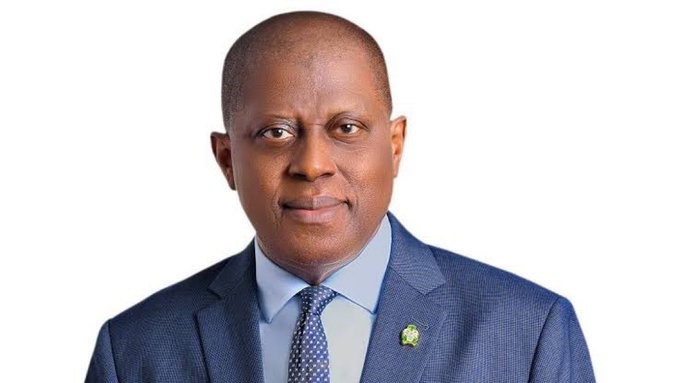

Director-General of Nigeria’s Securities and Exchange Commission (SEC), Emomotimi Agama, on Wednesday said the country’s capital market is working to make data, artificial intelligence and technology-driven regulation the centre of investment decision-making as a way of attracting both domestic and foreign capital inflow.
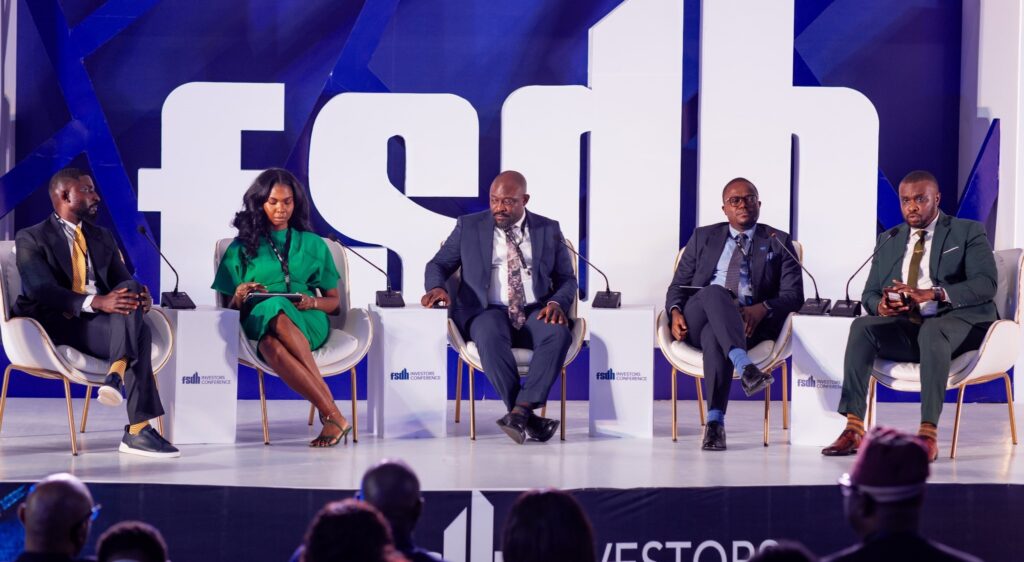
Speaking at the FSDH Investor Conference 2026 in Lagos, Agama said the future of investing would be defined by the quality of intelligence and data available to investors rather than the volume of capital they control.
According to him, the era of “intelligent investing” has already arrived, driven by artificial intelligence, real-time analytics, distributed ledger technology and algorithmic systems that are reshaping how investments are priced, allocated and protected globally.
He told the gathering: “We are at the threshold of what scholars and practitioners are calling the era of intelligent investing — a paradigm in which data does not merely inform decisions, but actively participates in them.”
Agama noted that SEC Nigeria had embarked on what he described as the most comprehensive regulatory reform agenda in its history to ensure the country remains competitive in the evolving global investment environment.
He explained that the Commission’s reforms were aimed at creating a forward-looking market structure capable of supporting intelligent investing through faster settlement systems, tokenised securities and deeper derivatives markets.
According to him, the Commission’s seven-pillar capital market infrastructure vision includes plans to achieve T+1 settlement cycles, expand digital assets regulation and build a comprehensive framework for tokenised securities.
The SEC boss said the Commission was also developing governance frameworks for artificial intelligence applications in the capital market to ensure transparency, accountability and investor confidence.
“We are developing AI governance frameworks for capital market participants — frameworks that demand explainability, accountability and algorithmic fairness. An investor in Nigeria deserves to know not only what decisions were made on their behalf, but how those decisions were reached,” he said.
Agama stressed that intelligent investing must be inclusive and accessible to ordinary Nigerians, adding that the SEC’s fintech-bank integration strategy targets about 20 million retail investors across the country.
He said technology and data-driven investing tools could democratise access to wealth creation opportunities for small businesses, artisans and low-income earners who had previously been excluded from formal investment systems.
The SEC DG also restated the importance of partnership between regulators, financial institutions, fintechs firms and investors in building a resilient and technology-driven market ecosystem.
According to him, Nigeria’s capital market reforms and adoption of intelligent investing frameworks would strengthen investor confidence, improve market transparency and position the country as a leading investment destination in Africa.
He added that the Commission was strengthening investor protection through enhanced enforcement mechanisms, financial literacy programmes and the establishment of a dedicated Investor Protection Department.
Agama said, “Confidence is the ultimate asset in a capital market. Every disclosure we enforce, every fraud we prosecute, every investor we educate adds to the stock of market confidence.”
He further noted that Nigeria’s growing role in African capital market integration and digital finance initiatives would help channel long-term investments into infrastructure, gender finance and other critical sectors of the economy.
The SEC DG commended FSDH Merchant Bank for creating a platform for stakeholders to discuss the future of intelligent investing, adding that collaboration and data-sharing among market participants would be critical to building globally competitive financial markets in Nigeria.