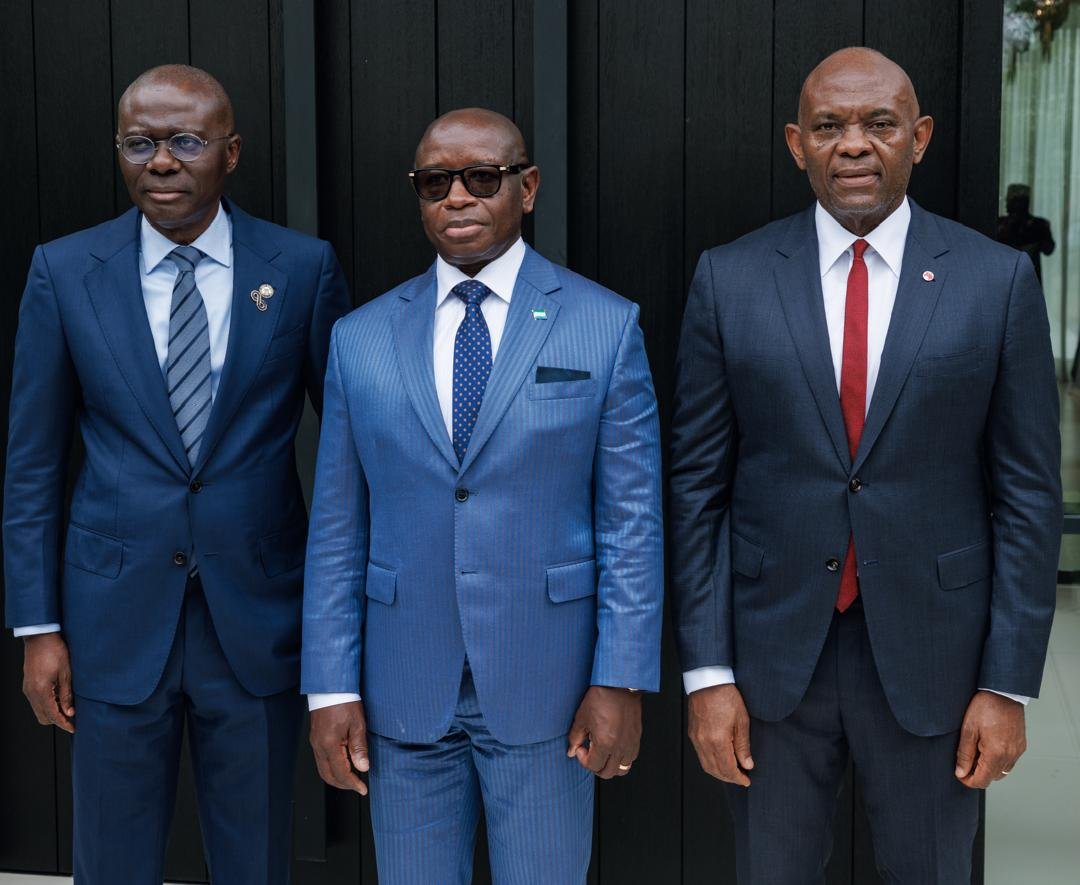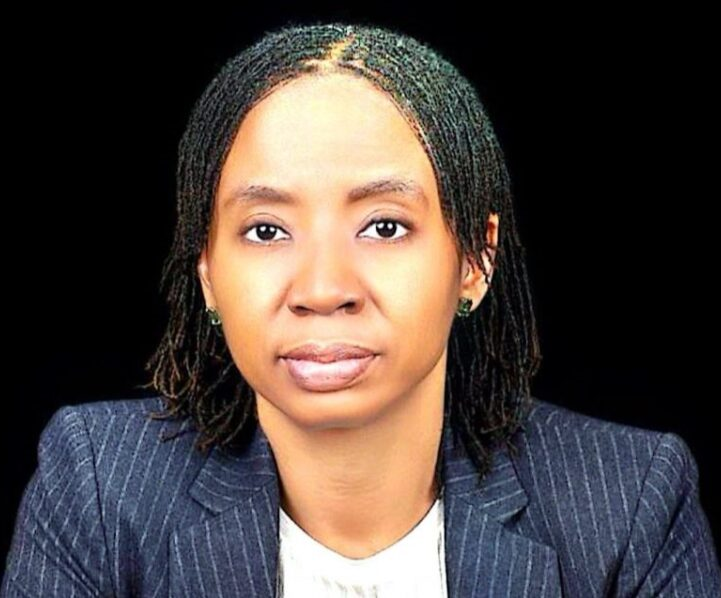

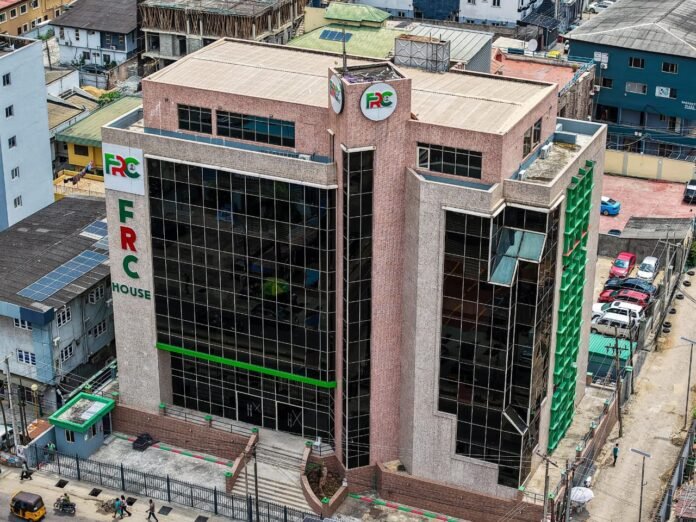
Vice President Kashim Shettima, Lagos State Governor, Babajide Sanwo-Olu, Minister of Industry, Trade and Investment, Dr. Jumoke Oduwole, and her Finance Ministry counterpart, Taiwo Oyedele, members of the National Assembly, were among dignitaries who on Tuesday graced the official commissioning of the ultra-modern head office of the Financial Reporting Council (FRC) in Ikeja Lagos.
Shettima who was represented by Dr. Tope Fasua, a senior special assistant, said the commissioning of the building was significant because financial report is not merely about numbers, but confidence in the numbers, hence the need for reliable financial reporting. This, he added, is essential for investors, banks, government and businesses seeking to make informed decisions.
According to him, the administration of President Bola Ahmed Tinubu was committed to strengthening institutions capable of sustaining economic reforms beyond individual personalities and political cycles.
“Capital does not merely follow opportunities. It follows confidence, and confidence follows institutions,” Fasua stressed.
Also speaking, Governor Sanwo-Olu described the FRC as an important institution in Nigeria’s economic architecture, particularly given Lagos’ position as the country’s leading commercial and financial centre.
Continuing, he said, the council’s work in promoting credible financial reporting, transparency and corporate governance had implications beyond the corporate sector, adding that stronger financial reporting could improve investment decisions, facilitate access to capital, strengthen businesses and contribute to job creation and economic growth.
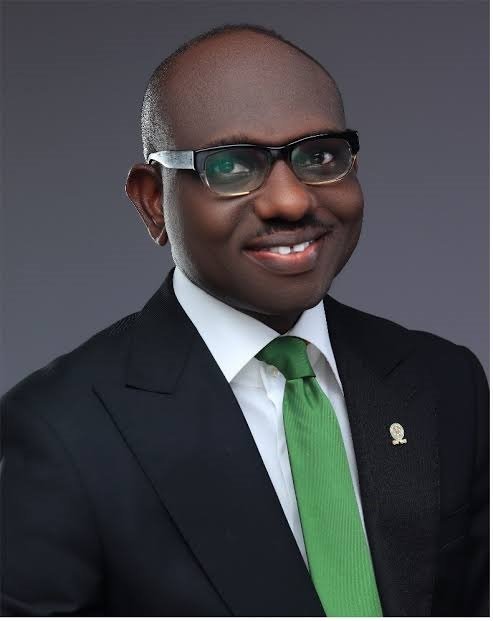
Welcoming guests to the occasion earlier, Rabiu Olowo, the Executive Secretary/Chief Executive Officer of the Council, said the development marks the beginning of a new chapter in the institution’s 44-year old history.
He said the new headquarters represents the evolution of the FRC and the need for its physical infrastructure to match the importance of its statutory mandate, tracing the institutional journey of the council to its days as the Nigerian Accounting Standards Board (NASB) in 1982. It later received statutory backing through the Nigerian Accounting Standards Board Act of 2003 before evolving into the Financial Reporting Council of Nigeria under the FRC Act of 2011.
The council’s mandate subsequently expanded beyond accounting standards to cover financial reporting, accounting, auditing, actuarial and valuation standards, corporate governance and sustainability reporting.
He described the new building as a symbol of institutional stability, independence, credibility and dignity, just as he used the occasion to recognise former leaders of the council for their contributions to the development of the institution.
He noted the pioneering efforts of former Executive Secretary and CEO, Jim Obazee, from 2011 to 2017, for his emphasis on regulatory enforcement and compliance, following which one of the important rooms in the new headquarters was named in his honour. Other former CEOs of the Councils that had rooms named in their honour are: the late Daniel Asapokhai, who served from 2017 to 2021, Ambassador Shuaibu Ahmed (2021 to 2023).
Olowo said naming of facilities after his predecessors is one way of preserving institutional memory to remind future generations that the FRC was built through the contributions of successive administrations.
The FRC also honoured the Minister of Industry, Trade and Investment, Dr. Jumoke Oduwole, for her support for the council and contribution to corporate governance and institutional reforms.
The Vice President and Governor were joined by traditional rulers, leaders of various professional bodies, regulators, captains of industry and other stakeholders, who congratulated Olowo and his team for erecting the edifice 44 years after the council was first founded.