
Akintunde Oyedokun
Research Analyst
Oil prices fell on Friday, with Brent down 0.6% to $89.18 and WTI 1.2% to $82.52. Both were set for weekly losses of over 5%.
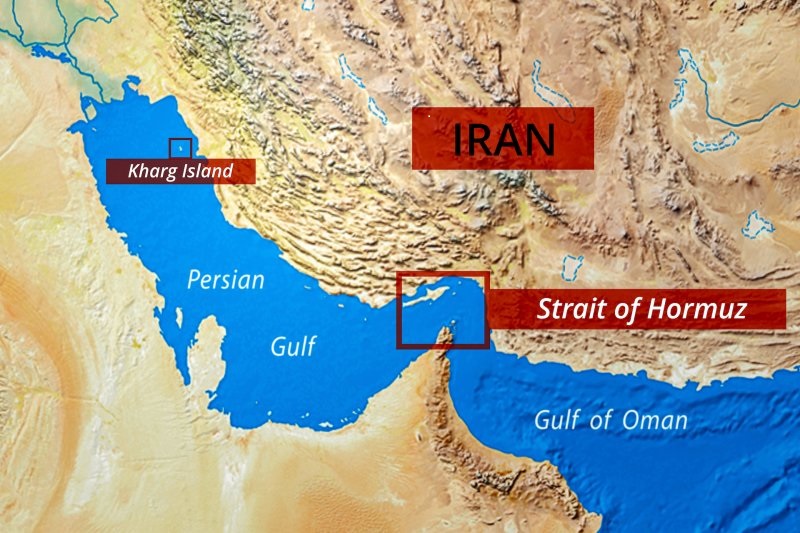
Improving crude flows through the Strait of Hormuz eased supply fears, while stalled U.S.-Iran talks and tougher sanctions kept geopolitical risks elevated.
Germany Unemployment Edges Higher
Germany’s seasonally adjusted unemployment rose by 4,000 to 2.996 million in August, slightly below expectations.
Unadjusted unemployment increased to 3.061 million, staying above 3 million for a second month as the labour market remained weak.
However, improving economic activity and slower job cuts offered some positive signs. Job vacancies rose to 656,000, up 25,000 year-on-year.
Italy’s Economic Confidence Rises
Italy’s consumer confidence edged up to 94.5 in August, while business sentiment rose to 96.9, marking its third consecutive monthly gain. The improvement comes despite energy pressures and Middle East tensions, with the economy showing resilience through stronger-than-expected first-half growth.
Sudan Blackouts Disrupt Businesses
Frequent power cuts in Sudan are disrupting businesses and daily life, hampering economic recovery.
In Omdurman, welder Shannan Mohammed said outages have delayed furniture orders and reduced his income. High fuel costs also make generators unaffordable, while officials blame attacks and damaged infrastructure for the worsening crisis.
Moody’s Turns Positive On Nigeria
Moody’s changed Nigeria’s outlook to positive from stable, while keeping its B3 rating. The agency cited stronger growth, rising reserves and improved economic resilience.
It said continued progress on revenue, debt affordability and stability could support a future upgrade.