
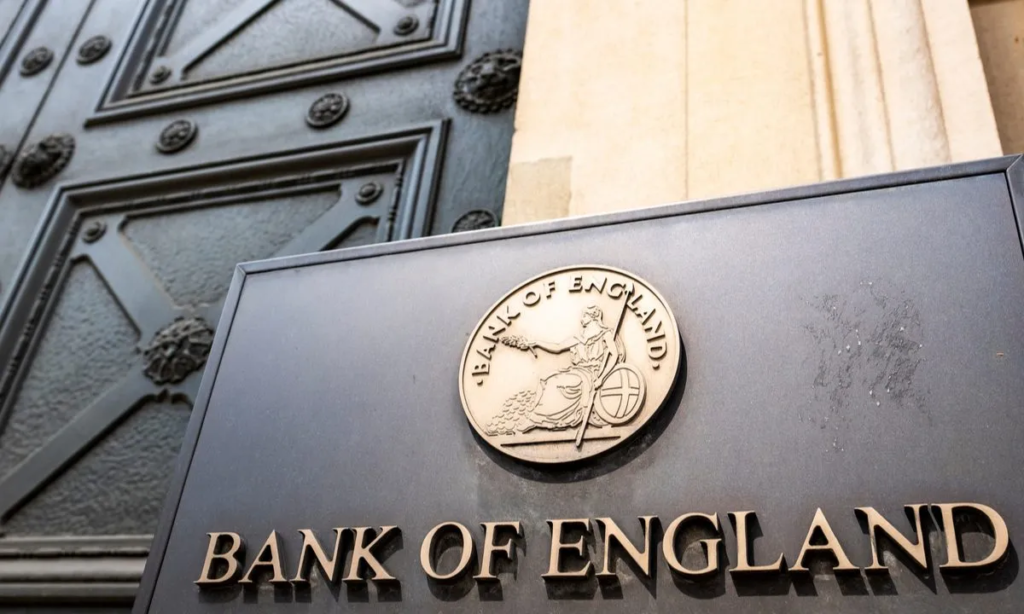
UK inflation jumps to 3.1%, and a Bank of England hold tomorrow could be the costlier decision, warns the CEO of global financial advisory giant deVere Group.
The warning from Nigel Green comes as latest data reveals that UK inflation jumped to 3.1% in August, official figures showed on Wednesday, its first reading above 3% since March and well above the Bank of England’s 2% target.
The rise was driven largely by a 23% year on year surge in motor fuel costs, with petrol prices climbing to their highest level since November 2022 and electricity, gas and other household fuel costs up 6% year on year.
Gilt yields fell across the curve after the print, with the 30-year down to 5.907% having touched a 28-year high the day before, and the 10-year at 5.365%.
Nigel Green notes today’s numbers land just a day before the Bank’s Monetary Policy Committee announces its decision on Thursday, 17 September, and he does not expect a hike this week, even though he believes a hold carries its own risks.
He says: “Markets are pricing a probability above 80% that the Bank holds its key rate at 3.75% this week, with a move now pushed instead to November.
“It’s the likely outcome, and it’s also the easier decision politically, but it’s not obviously the safe one.
“Inflation just moved back above target on the back of an energy shock that shows no sign of fading, and waiting for one more month of data before acting has a cost.”
The deVere CEO says the Bank has been here before.
He says: “This is a committee with a track record of moving only once the data leaves it no choice.
“It held rates near zero through 2021 as inflation built, only started raising them in December that year, and still watched inflation reach 11.1% within the following 12 months.
“Waiting for certainty last time made the eventual response bigger and more painful than it needed to be.”
He says a repeat of that pattern is a real risk this time.
“Energy costs pushed by a war in the Middle East are a different shock to 2021, but the lesson is the same.
“If the committee treats this month’s number as one to look through, and the next one confirms the trend, it ends up delivering in November the increase it could have signalled now, except from a worse starting point and with markets already unsettled.”
Nigel Green says the bond market’s reaction already hints at that unease.
“Gilt yields at levels last seen almost three decades ago are a signal worth taking seriously. Long-term borrowing costs for the government are elevated before the Bank has even moved, and a hold that looks complacent risks pushing them higher rather than calming them.”
He adds that the political backdrop raises the stakes further.
He says: “The new government is trying to ease the cost of living, balance the public finances and keep the bond market onside, and those three goals are pulling in different directions right now.
“A Bank that appears behind the curve again makes every one of those jobs harder, because it’s the government that ends up paying the price in higher borrowing costs if inflation expectations start to drift.”
Nigel Green concludes households and businesses should not assume this week’s hold means the pressure is easing.
“A hold on Thursday should not be read as good news. Fuel and energy costs are still climbing, gilt yields are still elevated, and a bigger move in November stays on the table.
“People managing mortgages, savings and business borrowing costs should plan for that outcome rather than assume the Bank has this under control.”