

Bond vigilantes are back in the room, and equities are about to find out what that costs, warns the CEO of global financial advisory deVere Group.
Nigel Green comments come as 30-year US government borrowing costs push to levels unseen since 2007, dragging stocks lower for a third straight session and forcing investors to reprice risk across every asset class at once.
“Bond vigilantes never went away, they just went quiet for a while,” he says. Green. “What we are watching now is the reawakening.
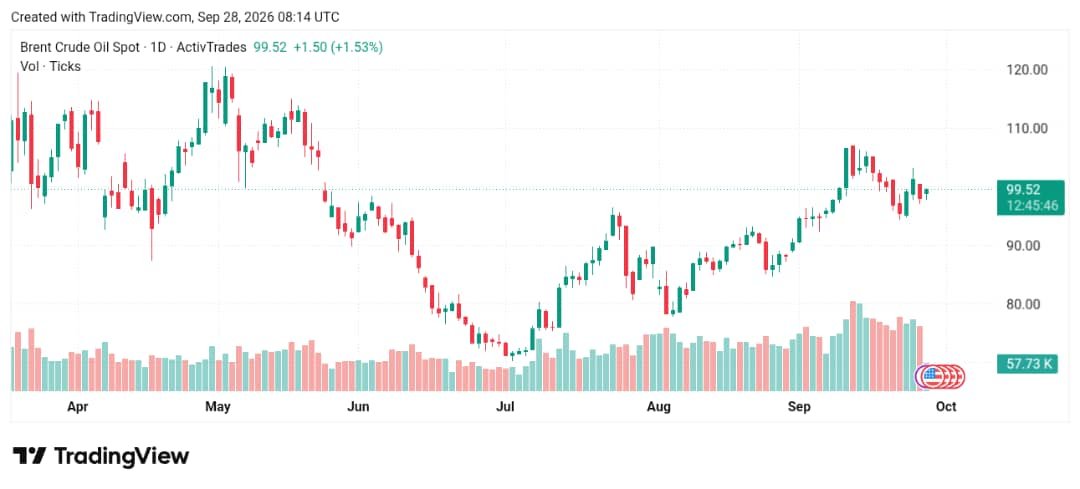
Long-dated yields above 5% for the better part of a month, an oil price climbing past $85 on Middle East risk, and inflation still running above target five years running: that combination is exactly what wakes the vigilantes up.”
The 30-year Treasury yield has traded above 5% on more sessions this year than in any year since 2007, when it spent 50 trading days at that level.
The Treasury market itself has swollen from $4.5 trillion in 2007 to more than $31 trillion today, while federal debt has doubled as a share of the economy to beyond 100% and annual interest payments have pushed past $1 trillion for the first time.
The deVere CEO continues: “A government paying more than $1 trillion a year just to service debt, with a fresh wave of long-dated issuance still to come, is a government whose bond buyers get to set the terms.
“Investors are no longer taking on faith that spending gets brought under control. Inded, they’re pricing the risk that it doesn’t.”
Renewed tension around the Strait of Hormuz and a stalled path toward any US-Iran settlement have pushed crude firmly higher, reviving inflation worries just as traders had been paring back expectations for further interest-rate cuts.
Nigel Green says the oil move could not be arriving at a worse moment for bond sentiment.
“Every dollar added to the oil price makes the inflation argument harder for the Federal Reserve and easier for the vigilantes,” he says.
“A central bank trying to cut into an inflation backdrop that refuses to cooperate is a central bank that loses credibility with the people buying its government’s debt, and once credibility goes, yields stop reflecting growth expectations and start reflecting a demand for compensation.”
He points to the surge in corporate borrowing tied to artificial intelligence infrastructure as a second pressure building underneath the government bond market.
“Sovereign issuance is not the only long-dated paper flooding the market right now,” says the deVere CEO.
“Hyperscale borrowing to fund AI infrastructure is competing for the same pool of buyers at the same moment governments need those buyers most.
“Crowd two urgent borrowers into one market and the price of patience goes up for everybody.”
Asked what the bond vigilantes do next if yields keep climbing, Nigel Green sets out three consequences investors should prepare for.
“First, equity valuations built on cheap discount rates come under direct pressure, and the most expensive, most narrative-driven parts of the market feel it first,” he says.
“Second, governments face a real choice between spending discipline and materially higher borrowing costs, and markets will keep testing which one they choose.
“Third, currencies and emerging markets absorb the spillover, because capital chases the highest safe yield wherever it appears.”
He argues investors should not wait for a definitive signal before adjusting.
“Nobody rings a bell when vigilantes take control,” Nigel Green concludes.
“30-year yields at a near two-decade high, oil climbing on real geopolitical risk, and a government borrowing more than a trillion dollars a year just to stand still already qualify as the warning sign, happening right now, and portfolios still priced for calm bond markets need to catch up with it quickly.”