

Smoke billows after an Israeli strike on Beirut's southern suburbs, following an escalation between Hezbollah and Israel amid the U.S.-Israeli conflict with Iran, Lebanon, March 2, 2026. REUTERS/Mohamed Azakir TPX IMAGES OF THE DAY
Akintunde Oyedokun
Research Analyst]
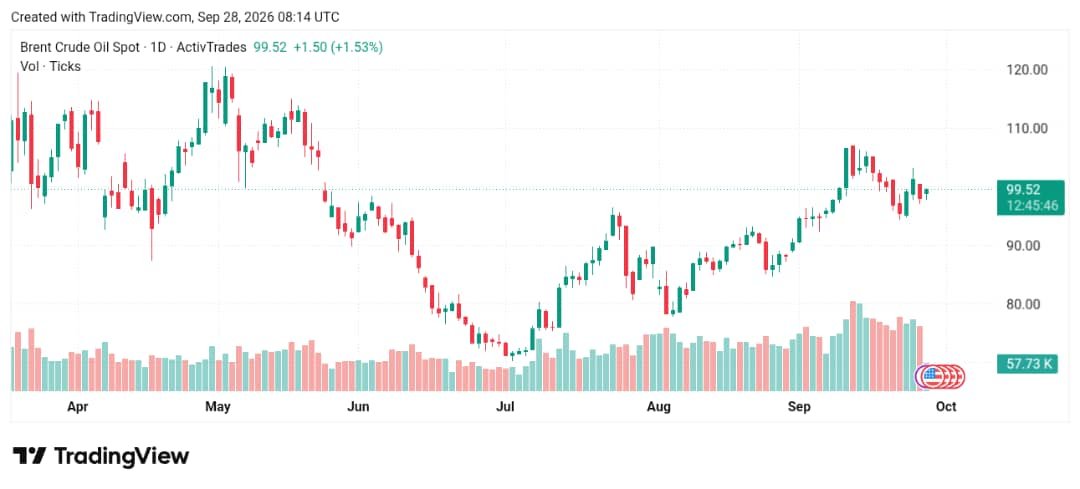
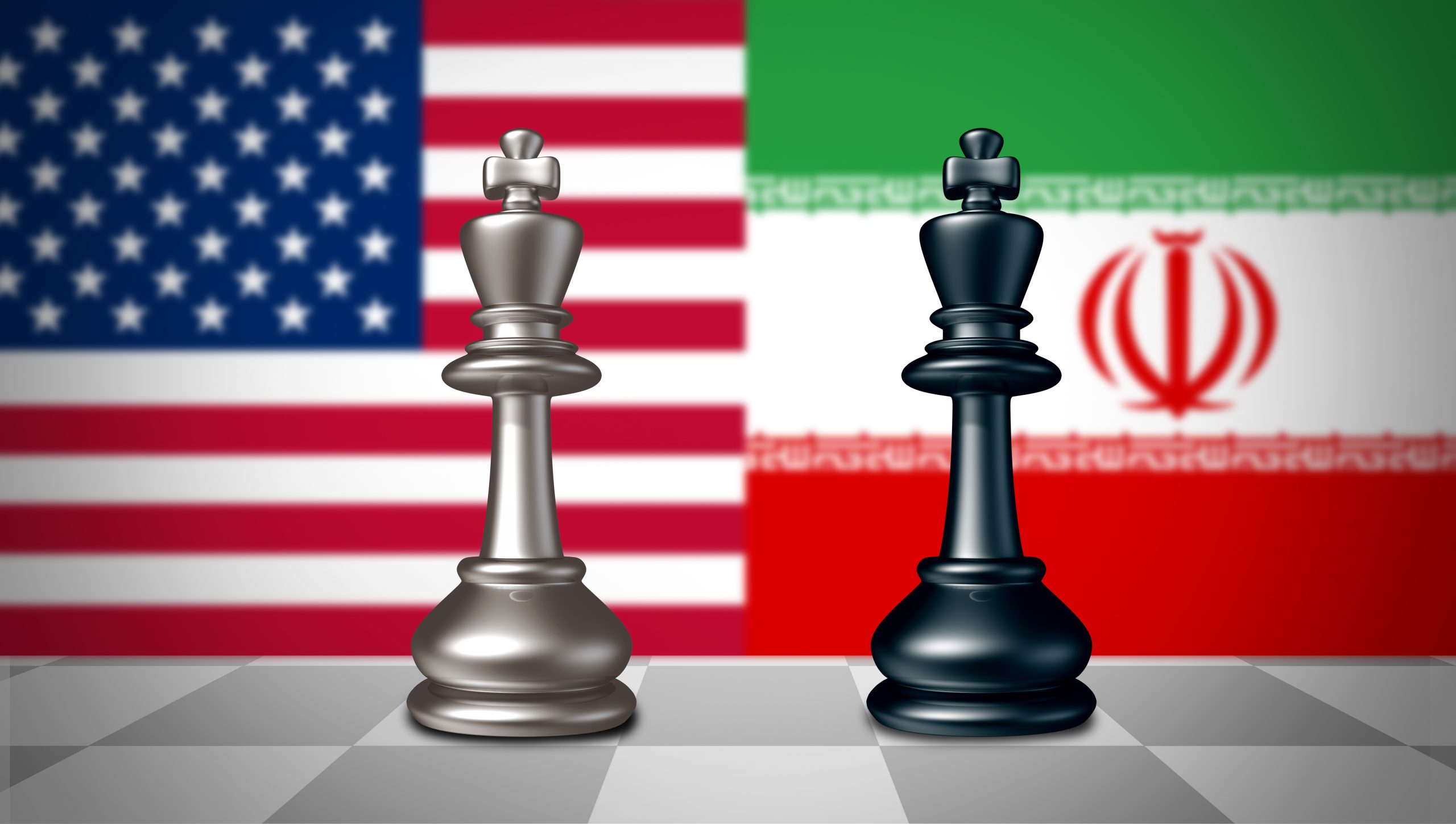
Oil rose about 2% on Wednesday as renewed Middle East tensions and weak progress in U.S.–Iran talks raised supply concerns.
Brent hit $97.70, while WTI climbed to $95.68. Prices were also supported by a larger-than-expected 8 million-barrel drop in U.S. crude inventories, pointing to tightening supply ahead of peak demand season.
U.S. Services Growth Strengthens Amid Rising Costs
U.S. services activity expanded faster in May, with the ISM Services PMI rising to 54.5 from 53.6 in April as businesses increased orders and inventories.
Rising fuel and input costs pushed inflation pressures higher, while hiring remained subdued, reinforcing expectations that the Federal Reserve may keep interest rates elevated.
Canada Services Activity Returns to Growth
Canada’s services sector edged back into growth in May, with the S&P Global Services PMI rising to 50.6 from 49.2 in April. However, business confidence remained weak as uncertainty from the Middle East conflict weighed on demand, while rising fuel and wage costs pushed operating expenses to a four-year high.
South Africa’s Private Sector Contracts in May
South Africa’s private sector slipped into contraction in May as higher fuel prices and uncertainty linked to the Iran conflict weakened business activity. The S&P Global PMI fell to 49.6 from 51.6 in April, ending a brief period of growth.
Output and new orders declined, pressured by rising costs, weaker demand, and adverse weather conditions. However, firms remained optimistic about the year ahead, with business confidence reaching its highest level in 2026.
Nigeria Records $10.37bn Capital Inflows in Q1 2026, Up 84%
Nigeria attracted $10.37 billion in capital importation in Q1 2026, an 83.8% rise year-on-year and 61% quarter-on-quarter, according to the National Bureau of Statistics.
Inflows were dominated by portfolio investment ($9.86 billion), while FDI remained weak at $135.1 million. The banking sector took the largest share at $7.55 billion.
The United Kingdom and United States led foreign investors.