
Nigeria’s All-Share Weekly Performance: 1-5 June, 2026
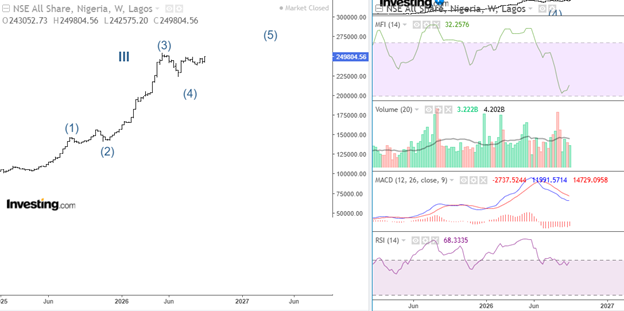
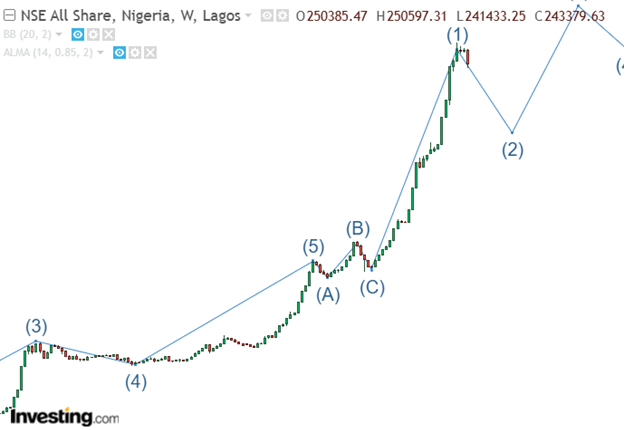
The NGXASI started the month with a strong bearish sentiment. Using Elliott’s wave theory, the index concluded its first wave, following the market sentiment. Thus, the market is in its corrective phase. In that case, this report shall explore investment offers that combine MACD and Elliott’s wave theory.
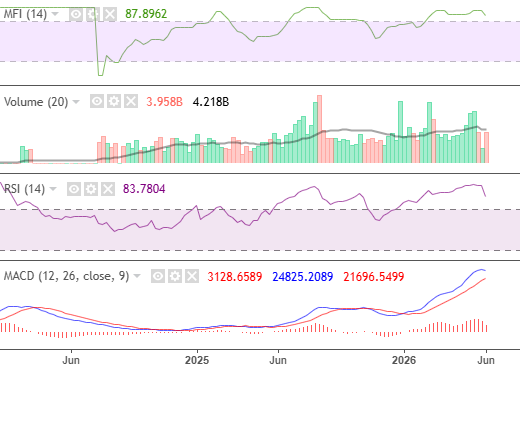
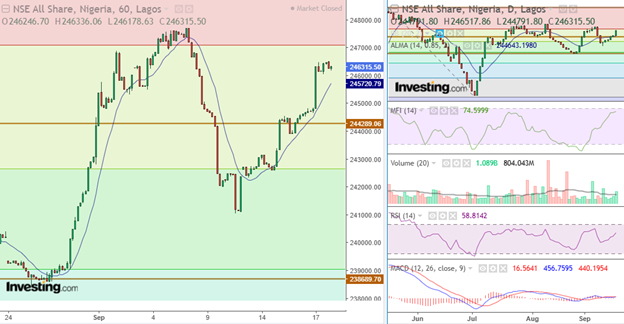
Although the NGXASI experienced a strong bearish sentiment, its volume remained relatively low. In line with this performance, MACD’s bullish momentum indicated divergence. Thus, the index is preparing for correction. Despite these sentiments, market liquidity and momentum remained strong. What investment opportunities does each key sector offer?
Key Sectoral Index Performance
NGXBNK: Banking Sector Index
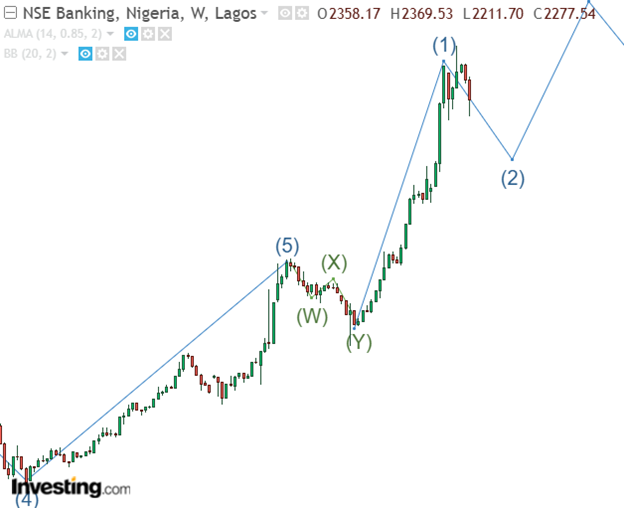
On the weekly chart, the banking sector’s index lost 3.42%, closing at 2,277.54 bps. Given this performance, the market is in its corrective wave 2 of the Elliot’s waves theory. In the Elliott’s wave theory a market corrects in three waves. Thus, a bullish sentiment within this corrective wave is usually influenced by short-term traders
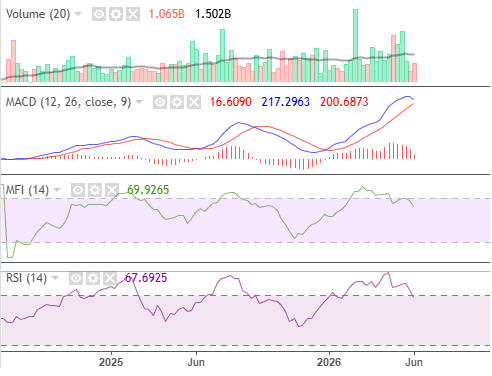
Although the index liquidity and momentum dropped, it’s remained solid for long-term investment. The bearish volume closed low, indicating profit-taking. Also, MACD’s bullish momentum indicated divergence. Thus, investors should expect a continuous pullback.
NGXCSMG: Consumer Goods Sector Index
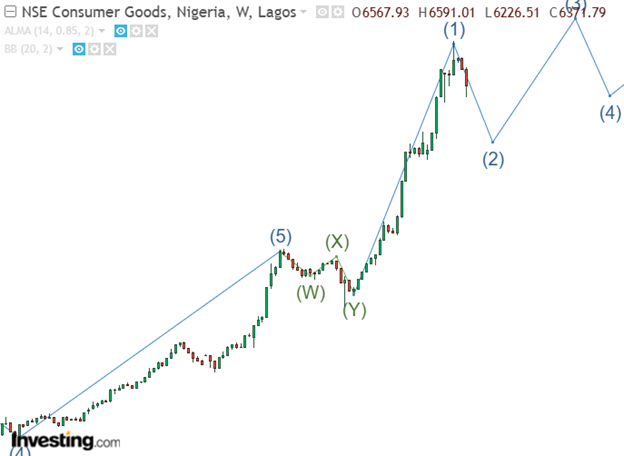
The consumer good index lost 2.99%, closing at 6,371.79 bps. Applying Elliott’s wave theory, the index completed its first wave and transitioned to a corrective second wave. Thus, the index is expected to continue its bearish sentiment amid selective bargain hunting
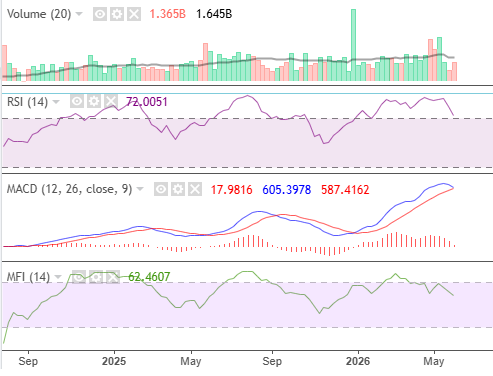
On the NGXCSMG’s weekly chart, the indicators signaled massive profit-taking. Despite the brief decline in momentum and liquidity, the market remains solid. However, MACD’s bullish momentum indicated divergence, aligning with the overall index sentiment.
NGXIND: Industrial Sector Index
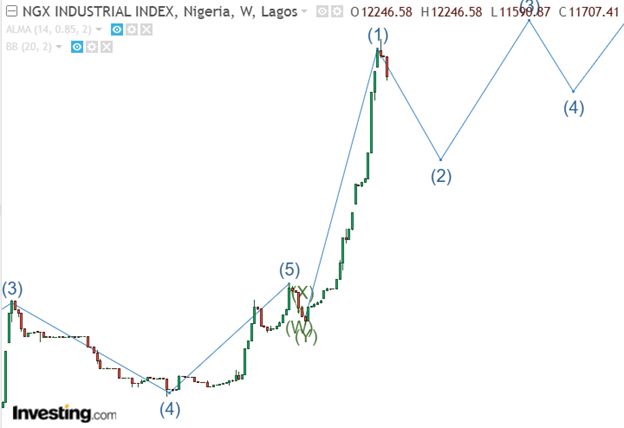
On the weekly chart, the industrial sector index lost 4.40%, closing at 11,707.41 bps. Using Elliott’s wave theory, the index is in its corrective phase, after a strong impulsive market. This performance is due to portfolio rebalancing, as investors place their positions in undervalued stocks with good fundamentals.
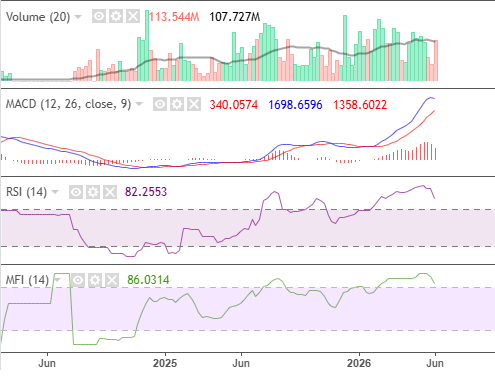
The index’s bearish volume closed strongly above its moving average, indicating massive profit-taking. This performance also portrays the high liquidity level of the industrial sector. In line with this index action, MACD’s bullish momentum weakened, indicating divergence. Amid this bearish sentiment, the market liquidity and RSI momentum remained solid. Thus, the market is still strong.
NGXOGSE: Oil and Gas Sector Index
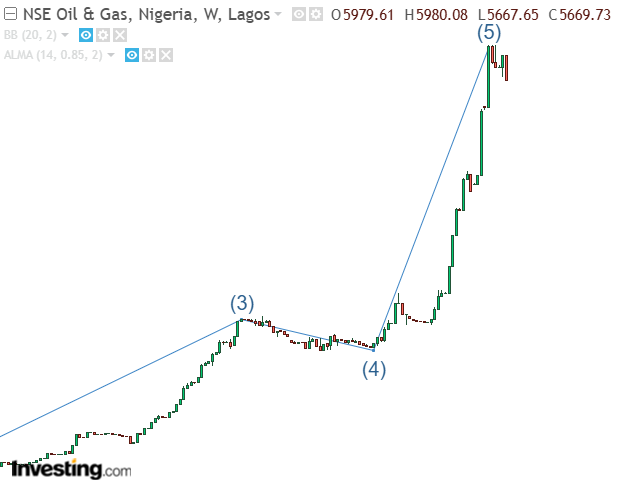
The oil index lost 5.18%, closing at 5,669.73 bps. This performance completed the 5 waves of Elliott’s theory, thus market participants should expect an A, B, and C correction. During the intra-week trade, the index experienced a strong bearish market which influenced the weekly and monthly index action.
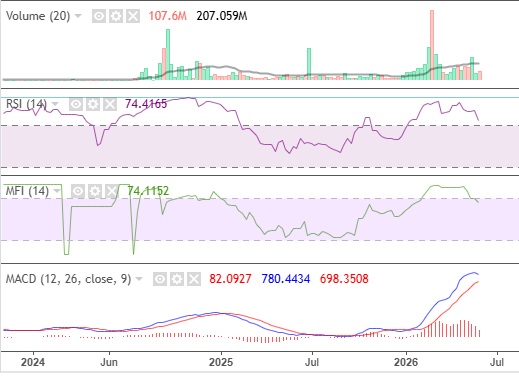
Despite the strong bearish sentiment, the index’s bearish volume closed low. This performance indicates mild profit-taking. Following this index action, MACD’s bullish momentum indicated divergence. Also, MFI and RSI declined, yet closed solidly above their thresholds.
NGXINS: Insurance Sector Index
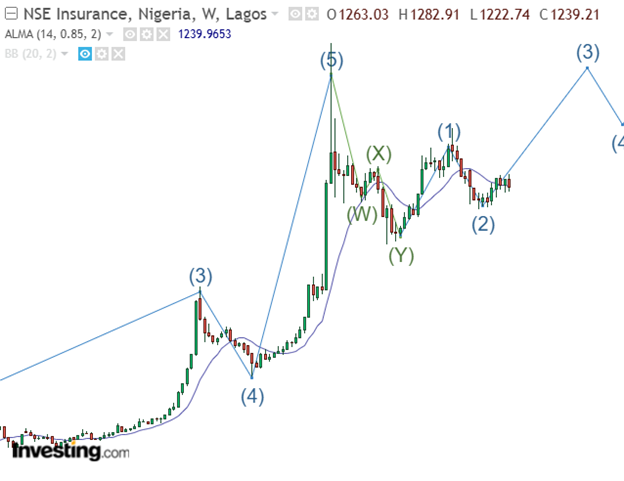
The insurance lost 1.89%, closing at 1,239.21 bps. Despite the bearish sentiment, the sector remained resilient above its moving average. This performance reveals continuous investor confidence in the sector. Thus, the moving average should act as a support level for the index.
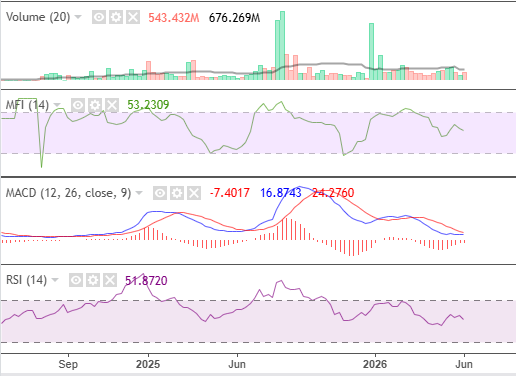
The NGXINS bearish volume was low, indicating mild profit-taking. As MACD’s bearish signal indicates divergence, RSI and MFi remained solid above their threshold. This index performance offers favourable investment opportunities.
Final Thought
MACD’s divergence signal always indicates a potential trend reversal. Using the top-down analysis, sectors such as banking, oil, industrial and consumer goods should maintain their bearish sentiment. Then, the insurance sector should continue recovering upwards.