
The Bank of England, by ignoring the US Federal Reserve’s move, risks falling again behind the curve on the inflation battle, warns the CEO of deVere Group, one of the world’s largest independent financial advisory organisations, as policymakers hold interest rates steady while inflation runs well above target.
The comments come as the Bank of England left rates unchanged today, hours after data showed UK inflation climbing to 3.1% in August, its first move above 3% since March.
The decision follows a Federal Reserve rate rise to a range of 3.75% to 4%, its first hike since 2023, announced yesterday.
The European Central Bank lifted rates to 2.5% last week, its second increase this year, and the Bank of Japan looks poised to move within days.
He says: “Every major central bank at the table is acting except one: the feet-dragging Bank of England.
“The Fed has moved. The ECB has moved. The Bank of Japan looks ready to move. The Bank of England is choosing stillness while inflation runs hot, and stillness has a cost.”
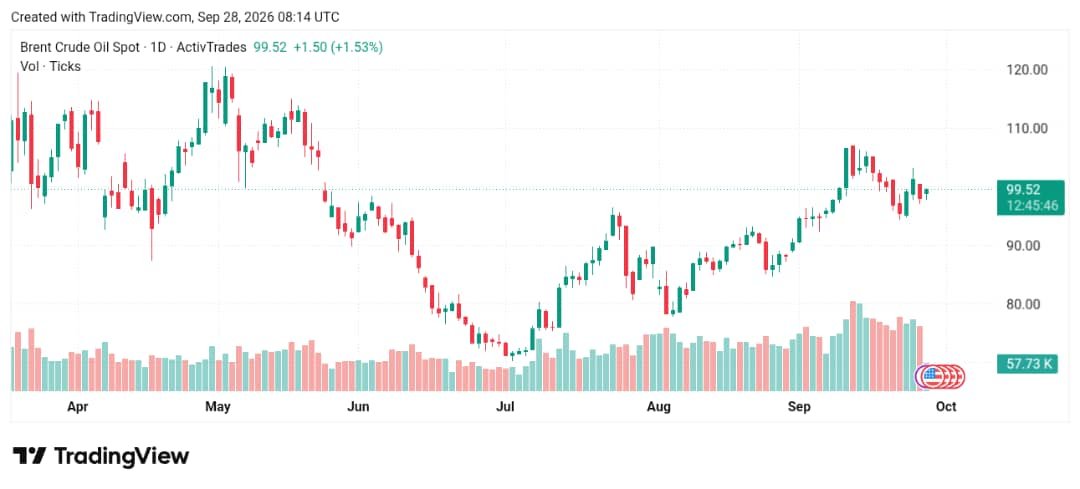
The deVere CEO argues the UK’s exposure to energy prices makes delay especially dangerous. Motor fuel costs surged 23% year-on-year in August, a key driver of the inflation spike, according to the ONS.
He says: “Britain imports too much of its energy to treat fuel-driven inflation as background noise. When petrol does the damage it’s done this month, waiting for a tidier picture is how a central bank gets overtaken by events.”
The deVere CEO also points to Britain’s borrowing costs, with yields on 20-year and 30-year gilts approaching 6%, among the highest in the G7.
Reports this week suggested the Bank of England could pause sales of long-dated gilts alongside today’s decision.
He comments: “Gilt yields near 6% carry real weight. They’re a sign that bond markets are losing patience with a country importing inflation risk while seeming to import indecision too. Pausing long gilt sales might settle nerves for a week. It doesn’t touch the inflation question sitting in front of policymakers.”
The energy shock tied to the US-Iran conflict is still working through supply chains in ways policymakers appear to be underpricing.
He says: “Six months after the US-Iran conflict began, higher energy costs are still feeding into business input prices and household bills. The idea that this pressure has faded doesn’t survive contact with the fuel numbers in this week’s data.”
A widening gap between the Bank of England and its peers carries its own risks for sterling and UK assets.
He says: “Every meeting the Bank of England holds while the Fed, the ECB and the Bank of Japan move widens the gap. Markets always find a way to price it in.
“It shows up in the currency, in gilts, or in the credibility of the inflation target itself.”
Nigel Green says the case for a November move is now overwhelming, and further delay will only sharpen the correction eventually required.
He concludes: “A November hike is looking less like an option and more like an obligation.
“The longer the Bank of England waits to catch up with the rest of the world, the sharper the adjustment it will eventually have to make.”