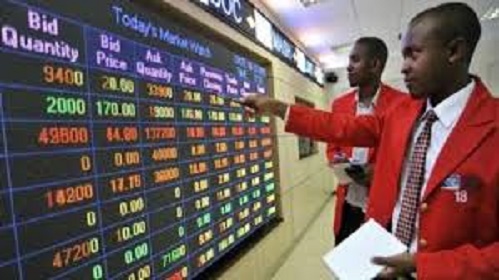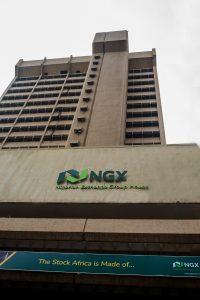

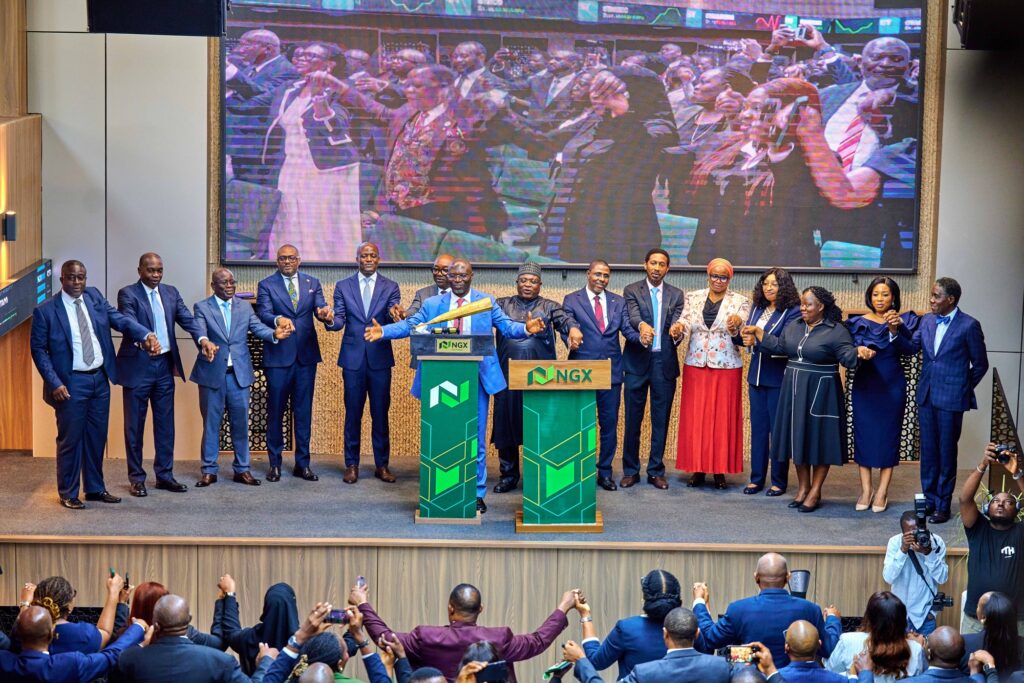
Caption: Dr. Emomotimi Agama, Director-General of the Securities & Exchange Commission (SEC Nigeria) joined by stakeholders of the Nigerian capital market during a closing gong ceremony to mark the Nigerian Exchange (NGX’s) transition to the T+1 settlement cycle in Lagos on June 1, 2026.
By Victor Ogiemwonyi
Marketconversations.substack.com
What T+1 Settlement Means
T+1 settlement refers to Trade Date plus (+) One Business Day.
It simply means: f you buy or sell a stock on Monday, the transaction settles on Tuesday, money moves, and ownership is finalized or concluded.
This reform reduces market and counterparty risk, improves efficiency, and aligns Nigeria with global best practice. Major markets such as the US, Canada, Mexico, India, and China have already transitioned to the T+1 cycle.
Surprisingly, European markets remain on T+2 and plan their transition only in October 2027.
Why FTSE Russell Is Holding Back
Nigeria’s move to T+1 from June 1, 2026, has triggered resistance from FTSE Russell, which is delaying reclassification of Nigeria’s market. According to Akinbamidele Akintola (Otunba Delz), the index provider wants Nigeria to create separate settlement rules: One for domestic investors and another for foreign portfolio investors.
Their concern is around the FX settlement risk, which they hope to avoid carrying for 24 hours. Instead, they prefer a situation where Nigeria hedges it for them. In essence, these foreign investors want profits without exposure.
Local vs Foreign Investor Treatment
Under T+1, local investors must pre‑fund trades. Foreign investors, however, want exemptions that allow them to continue “carry trade” practices—borrowing Naira against FX deposits, inflating prices, and exiting quickly with profits.
This pump‑and‑dump strategy destabilizes the market. Nigeria’s recent sharp corrections and pressure on the Naira may partly reflect such trading.
Nigeria MUST Resist such Imposition.
Courting foreign portfolio investors should not come at Nigeria’s expense. They enter markets only when profitable, and in such circumstance, they are not doing Nigeria any favour.
While index classification promises benefits such as liquidity and passive inflows, these remain only the theoretical realm if foreign investors dictate the rules.
If they refuse to accept FX risks, they can stay away. Nigeria’s market has performed better since their withdrawal in 2023.
Current Market Correction Is Beyond T+1
Some argue that the current correction stems from T+1.
The truth is mixed:
- Yes: Foreign investors have exited, taking profits from the past two quarters.
- No: Seasonal corrections also play a role
- Election uncertainty and politicians exiting the market to fund their campaigns.
- Profit‑taking after the unprecedented price spikes.
- Leverage is also unwinding under compressed settlement.
Local institutional investors who relied on leverage must now provide cash daily.
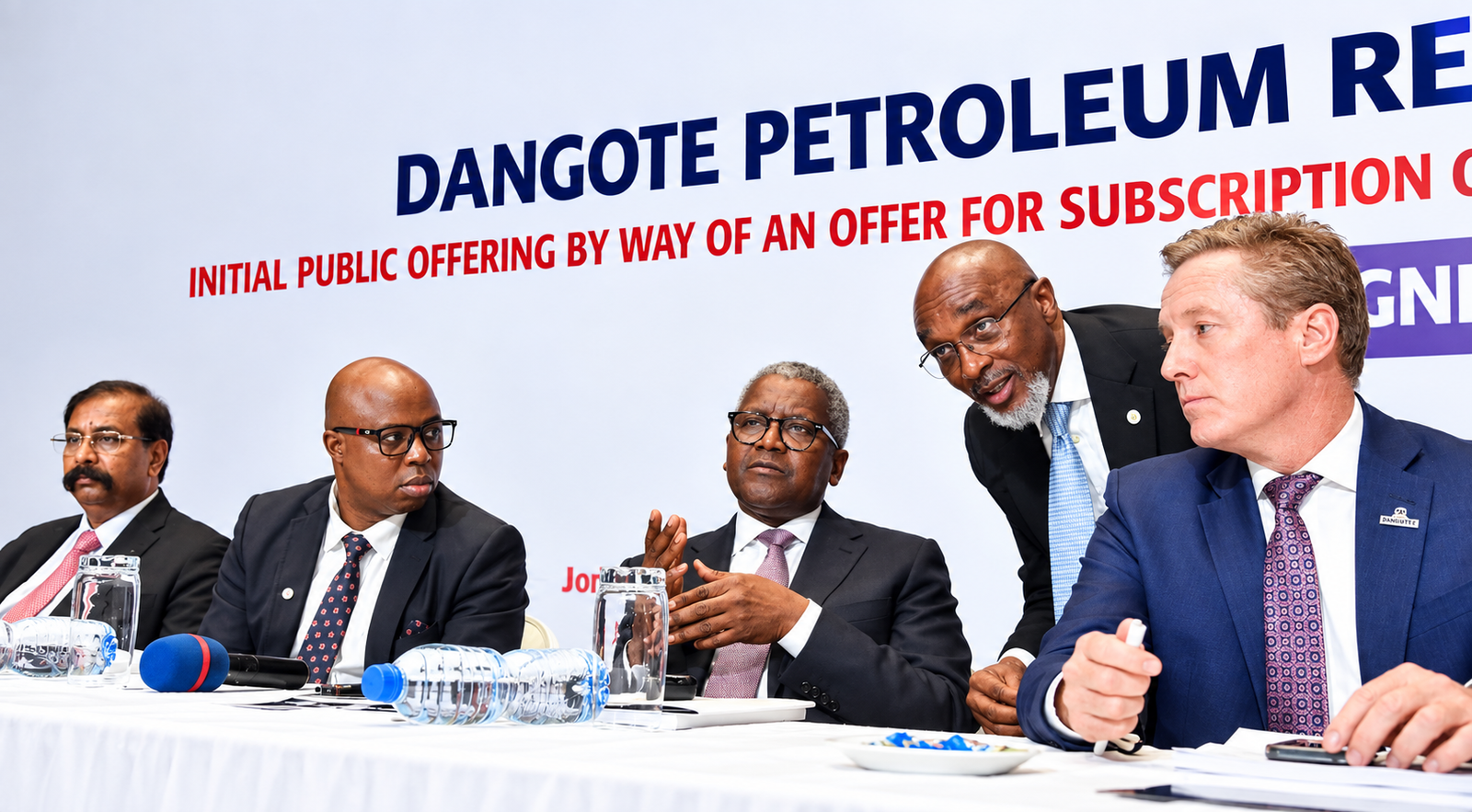
Some investors are also selling to position for the Dangote Petroleum Refinery Initial Public Offering (IPO), following the unprecedented price surges earlier in the year.
The Bigger Picture
Nigeria should not allow fear‑mongering to derail the ongoing reforms. The T+1 settlement cycle is a milestone in market infrastructure capable of reducing risk, while also aligning it with global standards. Foreign investors who want to participate must accept the same rules as locals.
The definition of a frontier market is riskiness. If foreign investors cannot accept Nigeria’s FX risk, they should stay away. Those who seek the unusual profits Nigeria offers, will continue to trade here regardless of classification.
Nigeria’s transition to the T+1 settlement cycle is a bold step toward efficiency and resilience. FTSE Russell’s hesitation reflects foreign investors’ desire to avoid risk while reaping profits bountifully. But reforms must serve Nigeria’s long‑term desire for market stability, rather than selfish external interests.
As former U.S. President Franklin Roosevelt once said: “The only thing we have to fear is fear itself.” Nigeria should continue its market reforms at its own pace, confident that genuine investors will follow.
Ogiemwonyi, a retired Investment banker writes from Ikoyi, Lagos.