
By Victor Ogiemwonyi (Marketconversations.substack.com)
A New Era of Global Alignment
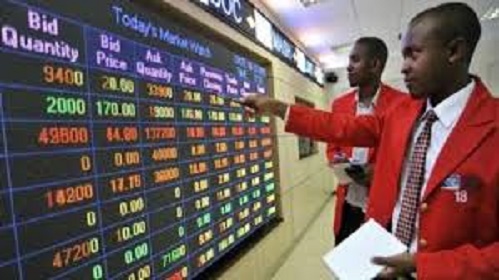
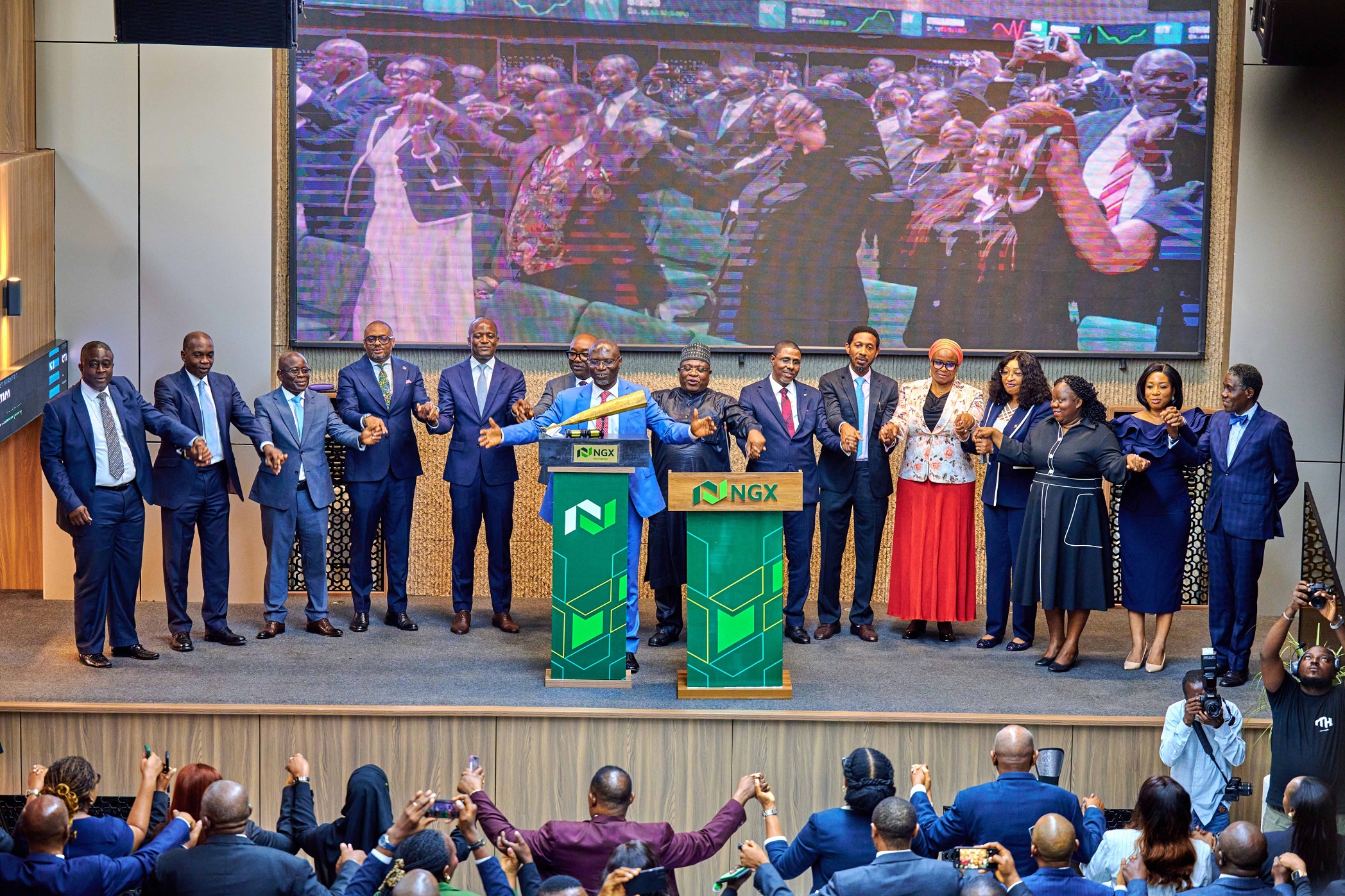
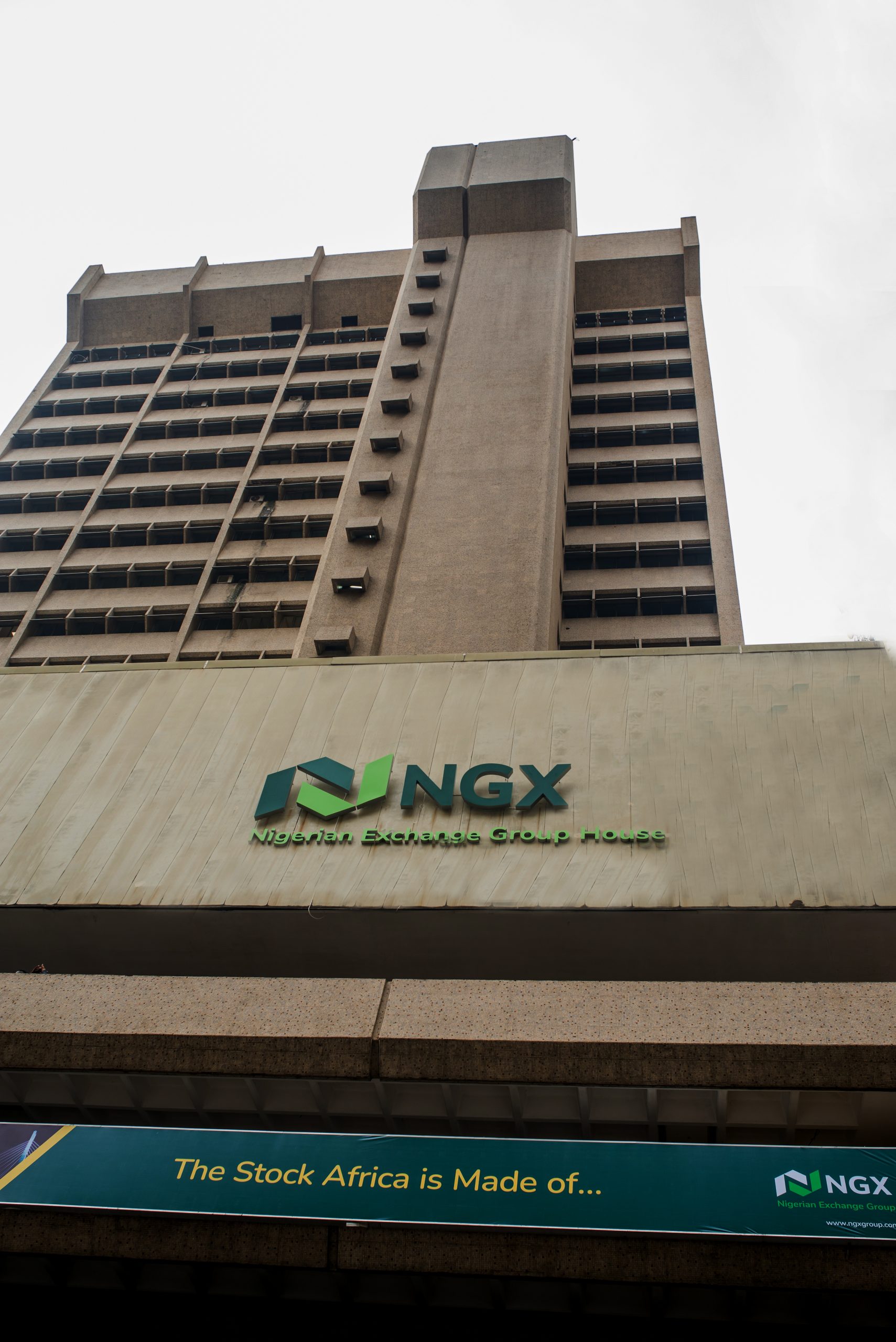
On June 1, 2026, the Nigerian Exchange (NGX) implemented the T+1 settlement cycle, meaning that all trades in our stock market are now settled within 24 hours. This milestone came shortly after trading hours were extended from 9:30 a.m. to 2:30 p.m; to 9:00 a.m.–4:00 p.m. The longer trading window allows the NGX to overlap with European markets closing hours, and align with the opening of the New York market.
These reforms have brought Nigeria’s stock market in line with other leading global exchanges. By adopting T+1 settlement, Nigeria joins markets such as the U.S., Canada, and India. This alignment is expected to make the market more attractive to foreign portfolio investors and increase foreign participation.
The FTSE Russell Index has already hinted that Nigeria will be reclassified as a Frontier Market in September 2026, reversing the downgrade it suffered in 2023.
Implications of the T+1 cycle are profound: faster transaction cycles, enhanced liquidity, expanded participation, and increased capital inflows in ways not previously seen.
Modernization And The 10 Year Master Plan
This structural modernization is the result of deliberate planning that began with a 10-Year Capital Market Master Plan, for which a committee was inaugurated in 2015.
As one of her final acts as Director-General of the Securities and Exchange Commission (SEC), Arunma Oteh initiated and inaugurated a committee to design the plan, chaired by Mr. Adedotun Sulaiman.
Sulaiman, a former Chairman of Accenture Nigeria and a man of deep intellect, had previously chaired the SEC-appointed a Capital Market committee in 2008 tasked with shielding Nigeria from the contagion of the U.S. financial crisis. Unfortunately, government inaction at the time, meant Nigeria’s market bore the brunt of the crash, which the committee was meant to prevent.
For success of the 2015 Master Plan, Mr. Sulaiman led a group of talented market operators, supported by diaspora Nigerians with Wall Street experience. It was a broad stakeholders’ effort, structured into 13 sub-committees, including:
- Market Structure (chaired by me )
- Product Development
- Non-Interest Finance
- Financial Literacy
- Corporate Governance
- Bond Market Development
- Regulatory Framework
- Technology and Innovation
- Investor Protection
- Collective Investment Schemes
- Market Infrastructure
- Commodity Exchanges
- Capacity Building
The Implementation Committee, headed by a respected market operator Mr. Olutola Mobolurin, also adopted a broad approach, involving representatives of the Securities & Exchange Commission, Central Bank of Nigeria, the Ministry of Finance, market operators, academia, and legal experts.
Key Milestones And Future Outlook
So far, more than 50% of the recommendations have been implemented. Chief among them are:
- Demutualization of the Exchange (NSE → NGX)
- Technology modernization, with digital operators like Bamboo emerging
- Introduction of Sukuk bonds under non-interest finance
- Legislative assent to the new Investment and Securities Act (ISA), and
- Strengthening of market infrastructure and investor protection
The new SEC leadership, under Mr. Emomotimi Agama and Mr. Bola Ajomale, deserves praise for accelerating implementation of the Masterplan. Their purposeful approach has brought focus and momentum to the reforms.
Nigeria now stands on the cusp of a capital market that can open the economy to transformative investments, create jobs and wealth in the country’s largest financial marketplace.
Victor Ogiemwonyi a retired Investment Banker writes from Ikoyi, Lagos.