
UK gilts could become the weakest link in an intensifying global bond sell-off, warns the CEO of one of the world’s largest independent financial advisory and asset management organisations.
Nigel Green of deVere Group’s comments come as a fresh sell-off in government bonds sweeps global markets, dragging borrowing costs to multi-decade highs after hopes of an end to Middle East hostilities collapsed overnight and gilts are being pulled higher in sympathy with US Treasurys.
“Every government bond market is exposed to this shock, but Britain is exposed twice over,” says Nigel Green.
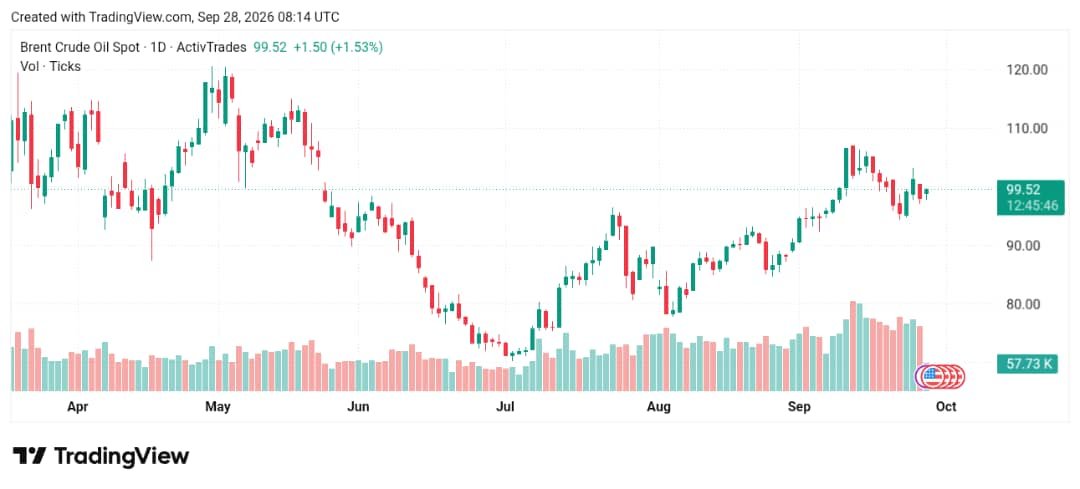
“The trigger is the same everywhere: a ceasefire window that shut without a deal, an attack on shipping in the Strait of Hormuz, oil pushing back above $90 a barrel, and inflation fears flooding back into markets that had barely priced them out.”
The ceasefire between Washington and Tehran lapsed without renewal, both sides have ruled out further talks, and overnight a vessel transiting the Strait of Hormuz was struck by a projectile, reviving fears over a route that carries a vast share of the world’s energy trade. 30-year US Treasury yields have pushed to their highest since 2002, 20-year Treasurys to a post-2006 high, and the 10-year to levels last seen in 2007.
“Gilts do not sit this one out,” notes Nigel Green. “UK 10-year borrowing costs have already broken above 5% twice this year on this exact Iran dynamic, an 18-year high each time, and the 30-year gilt hit its highest level since 1998 only months ago.
“Today’s moves look set to extend that pattern, not break it.”
The deVere CEO argues the UK carries structural weaknesses that most of its peers do not.
“Public sector debt sits close to 95% of GDP, nearly triple where it stood before the financial crisis, and debt interest alone now swallows more than 100 billion pounds a year, one of the heaviest debt-servicing burdens Britain has carried in half a century,” he says.
“A fiscal margin measured in single-digit billions is sitting underneath a debt pile measured in trillions, and a bond shock this size does not leave much room to move.”
He points to a second, more technical vulnerability that sets gilts apart from Treasurys and Bunds.
“Close to a quarter of the gilt market is inflation-linked, the largest share of any major developed economy,” Nigel Green explains.
“When an oil shock like this one hits, that index-linked debt raises the government’s own interest bill automatically, in real time, without a single new bond being issued.
“We estimate roughly two-thirds of the jump in 10-year gilt yields after an inflation shock comes from investors simply demanding more compensation to hold UK debt, a structural penalty Washington and Frankfurt do not pay in the same way.”
As such, the Bank of England now faces a genuinely uncomfortable choice.
“Weak growth was already pointing toward rate cuts, and now an oil-driven inflation spike is pointing the other way entirely,” notes the CEO.
“Markets have swung from pricing cuts to pricing hikes inside a matter of months. A central bank forced to tighten into a slowing economy, alongside a government with almost no fiscal headroom left, is precisely the combination that has punished sterling and gilts hardest in the past.”
He concludes with a direct warning for portfolios weighted toward UK assets.
“Investors who assume a global bond shock lands evenly across major markets are misreading this one.
“Britain carries more debt, less headroom, and a bond market that reacts to inflation more violently than its peers. Anyone holding UK-weighted portfolios needs to understand that gilts are not a safe proxy for this storm.