
For many Nigerian companies, short-term funding has traditionally meant bank overdrafts and short-tenor loans. These remain important sources of finance, but as businesses grow and their funding needs become more sophisticated, relying on a single channel is no longer enough. Companies need access to a broader range of funding options, including the capital market.
Commercial paper (CP) is increasingly becoming part of that mix. A short-term, unsecured debt instrument with maturities typically below 270 days, CP enables eligible companies to raise funds for working capital and other near-term financing needs.
The scale of activity shows just how relevant the instrument has become. In 2026 alone, commercial paper issuances in Nigeria reached approximately ₦1.3 trillion, a substantial pool of short-term corporate funding already being mobilised through the instrument.
Yet much of this activity continues to take place over the counter. The OTC market has played an important role in developing Nigeria’s CP market, but bringing more of this activity onto an organised exchange can add another dimension: greater transparency, stronger issuer visibility, broader investor access and the potential for secondary-market liquidity.
Why Listing Matters
The case for exchange-listed commercial paper is not simply about changing where an instrument trades. It is about what organised market infrastructure can add to the experience of issuers and investors, and ultimately to the depth of the market itself.
For issuers, listing creates visibility and builds a market track record. Every successful issuance and redemption provides investors with greater familiarity with the company and its credit profile. Over time, that track record can become valuable when the issuer returns to the market for larger or longer-term financing.
For investors, an organised market provides greater visibility into available instruments and standardised information. Where secondary-market activity develops, it can also create an avenue to exit a position before maturity rather than necessarily holding the paper to term.
The wider market benefits as well. Greater participation on an exchange can support price discovery, improve transparency and create the conditions for deeper secondary-market activity. CP then becomes more than a financing instrument that is issued and held to maturity; it becomes part of a broader market ecosystem supported by organised infrastructure.
Jude Chiemeka, Chief Executive Officer of Nigerian Exchange Limited, said commercial papers represent an important avenue for strengthening the connection between businesses and the capital market. “Commercial paper gives eligible corporates a flexible and efficient avenue to access short-term capital directly from investors, while providing investors with additional opportunities across the fixed-income spectrum. By bringing more of this activity onto an organised exchange, we can enhance transparency, broaden participation and support the development of a deeper and more efficient market for short-term corporate funding,” he said.
That flexibility is increasingly important. Inventory purchases, supplier obligations, receivables and other working-capital pressures do not always align with the tenor or structure of conventional bank financing. Commercial paper allows companies to match funding more closely to the shorter cycles of their businesses. Exchange listing can add the visibility, market infrastructure and investor reach to support that process.
The Exchange Advantage
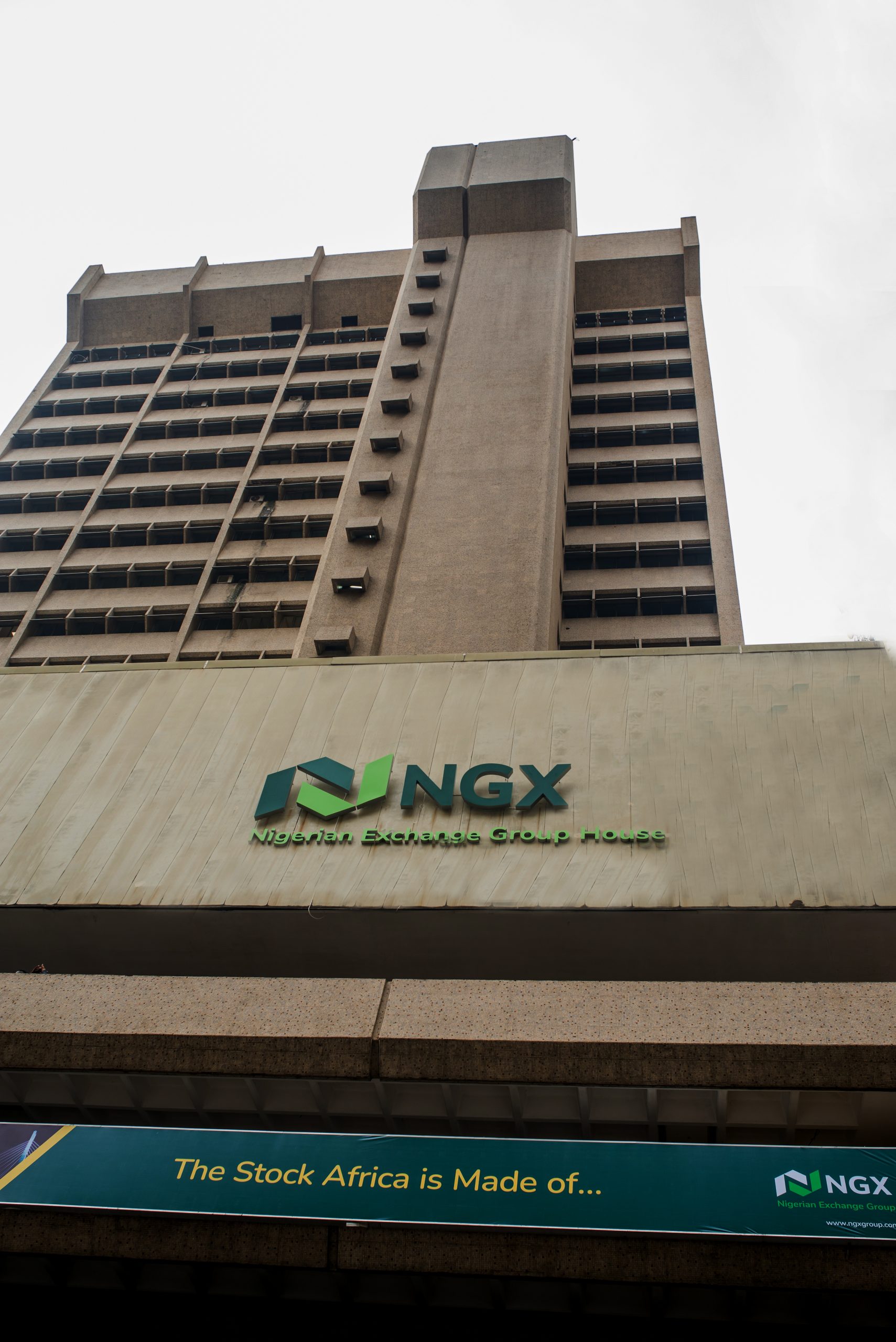
Nigerian Exchange Limited (NGX) has recognised this opportunity through its Commercial Paper Listing Framework. Introduced on 3 December 2025 following approval by the Securities and Exchange Commission (SEC), the framework extended NGX’s multi-asset offering beyond equities and longer-term debt into short-term corporate debt.
The framework reached an important milestone in February 2026, when Dangote Cement Plc listed its Series 1 and Series 2 commercial papers under its ₦500 billion Commercial Paper Issuance Programme. With a combined value of ₦119.87 billion, the transaction marked NGX’s first commercial paper listing and established an important precedent for other issuers.
Others have since followed. NGN Gram Limited, Coleman Technical Industries Limited and MeCure Industries Plc have collectively listed approximately ₦89.49 billion in commercial paper on NGX, expanding the issuer base and demonstrating that demand for the product extends across different sectors of the economy.
The significance of this development goes beyond the value of individual transactions. For companies, CP listing can represent an entry point into the organised capital market. An issuer that successfully raises and redeems commercial paper establishes a relationship with investors and develops a market profile before it considers a larger debt or equity transaction.
That progression matters. Capital-market participation does not always have to begin with a major equity offering or a long-term bond. For some companies, the shorter-term funding requirement may be the more natural starting point. Commercial paper provides that bridge.
Building a Deeper CP Market
For NGX, the opportunity is therefore larger than adding another product to its offering. Commercial paper strengthens the Exchange’s multi-asset proposition by complementing equities and longer-term debt with an instrument designed for the shorter end of the funding curve.
The next priority is scale: building on Nigeria’s already sizeable CP market to bring more issuers and investors into an organised market environment, while supporting the development of greater secondary-market activity.
This is important for the evolution of Nigeria’s capital market. A deeper market is not defined only by the number of products available, but by how effectively those products connect businesses seeking capital with investors seeking opportunities.
Commercial paper has already demonstrated its relevance as a source of short-term corporate funding. The opportunity now is to build the market infrastructure around it.
In that sense, CP is not simply another instrument on an exchange. It is part of the broader architecture of a more complete capital market, one that gives companies greater choice in how they fund their businesses, gives investors more opportunities to participate across the capital structure, and creates stronger pathways for companies to grow from short-term market access into broader capital-market participation.