
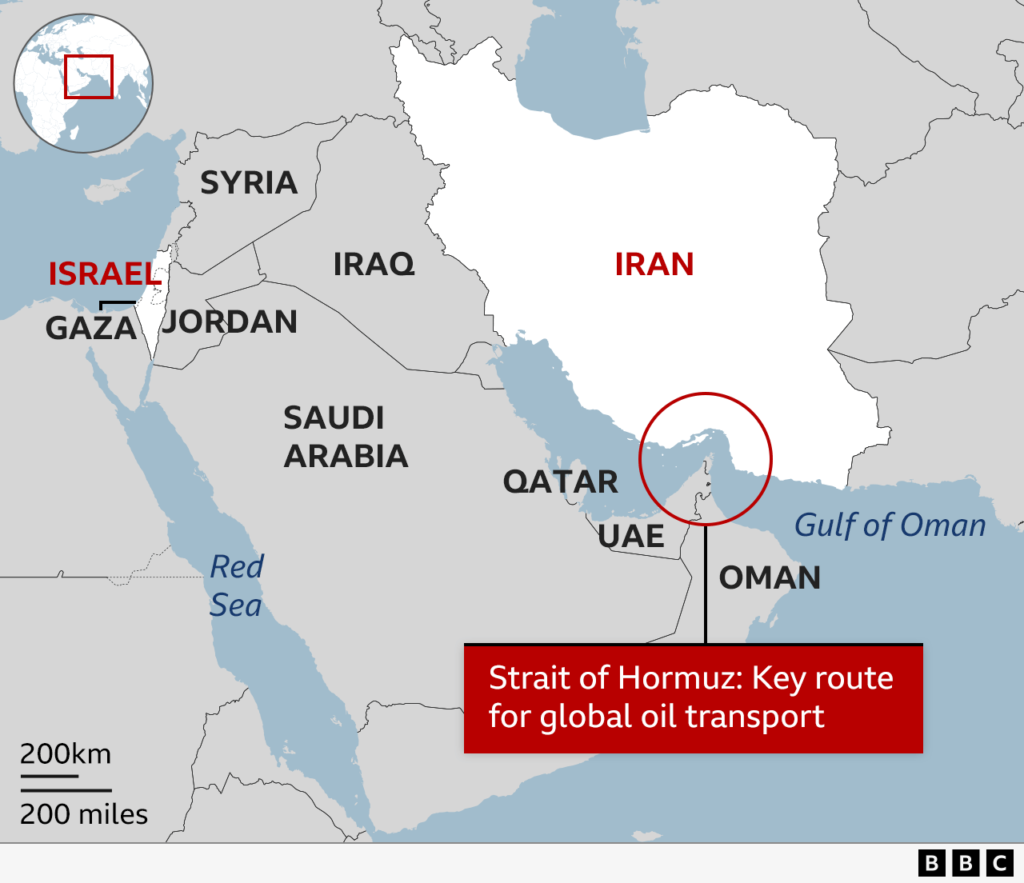
The visit by Iran’s top diplomat to Beijing on Wednesday as Donald Trump prepares for his meeting with Xi Jinping underscores how central China is becoming to any diplomatic outcome involving the Strait of Hormuz, according to Nigel Green, CEO of global financial advisory giant deVere Group.
This analysis, Green argued in a piece on Wednesday, comes after Iranian foreign minister Abbas Araghchi met Chinese foreign minister Wang Yi in Beijing following the sharp escalation in the war between the US and Iran.
It is also in the aftermath of Trump put “Project Freedom”, the US naval operation launched to escort commercial vessels through the Strait of Hormuz on hold.
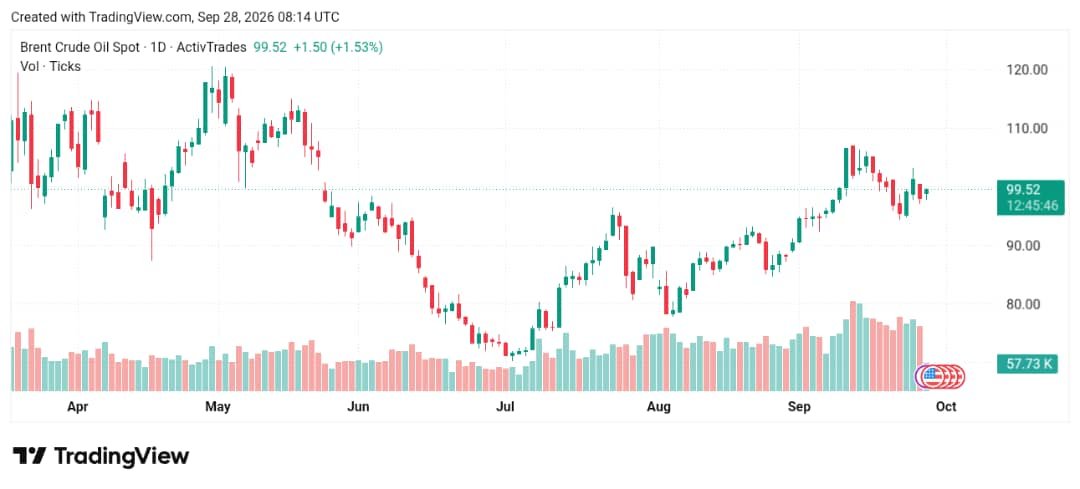
Financial markets reacted immediately to signs tensions could ease, as Brent crude fell more than 3% toward $107 a barrel after briefly surging above $126 during the latest escalation.
The Stoxx Europe 600 and Germany’s DAX both rose around 1%, while bond yields eased as lower oil prices reduced immediate inflation pressure.
For Green, “China’s quiet emergence as the power broker in the Strait of Hormuz crisis could become one of the most important investment stories of the year.
“While markets focused on Donald Trump’s reversal over military escorts in the Gulf, Beijing was meeting directly with Iran and positioning itself at the centre of diplomacy tied to global energy flows.
“The timing of the visit highlights a geopolitical realignment taking place in real time. China is expanding its influence around the world’s most strategically important oil corridor without military intervention or a naval coalition.”
The Strait of Hormuz handles roughly 20% of global seaborne oil flows and a large share of LNG exports.
Around 84% of crude shipments moving through the route are destined for Asia, with China remaining the world’s largest crude importer and one of the biggest buyers of Iranian oil despite years of US sanctions pressure.
Green believes that investors are still focused heavily on earnings momentum and AI-driven equity gains while underestimating the longer-term implications of Beijing’s growing influence over energy diplomacy and trade routes.
“Strong corporate earnings, especially across AI and large-cap tech, continue supporting equity markets near record highs,” he says.
“But underneath the headline indices, capital is, quite sensibly, moving more carefully. Investors are paying much closer attention to freight exposure, energy sensitivity, supply-chain resilience and pricing power.”
China brokered the restoration of diplomatic ties between Saudi Arabia and Iran in 2023 and has steadily expanded its influence across the Gulf through trade agreements, infrastructure investment and long-term energy partnerships.
Nigel Green says Beijing’s role is strengthening because every major economy remains dependent on stable Gulf energy flows.
“Washington increasingly, it seems, needs China engaged if it wants diplomatic stability around Hormuz.
“This represents a major change in geopolitical influence because Beijing now holds economic and political leverage with Tehran that Western governments do not,” he added, stressing that the developments are likely to drive stronger investor interest toward sectors linked to energy security, strategic infrastructure, commodities, defence and cybersecurity.
“Investors looking only at daily oil-price swings are missing the deeper market story.
“This is becoming a battle for influence over energy routes, shipping flows and commodity stability at the centre of the global economy.”
He adds: “Markets rallied because oil prices pulled back sharply after Trump put the naval escort operation on hold.
“Longer term, investors should focus on how much geopolitical and economic leverage China is building by becoming increasingly difficult to bypass during global energy crises.
“I believe it will, moving forward, become an increasingly essential market factor.”