
Oil markets are rapidly pricing-in the idea that the worst of the Iran crisis may soon be over, but investors may be moving ahead of reality, warns Nigel Green, CEO of global financial advisory giant deVere Group.
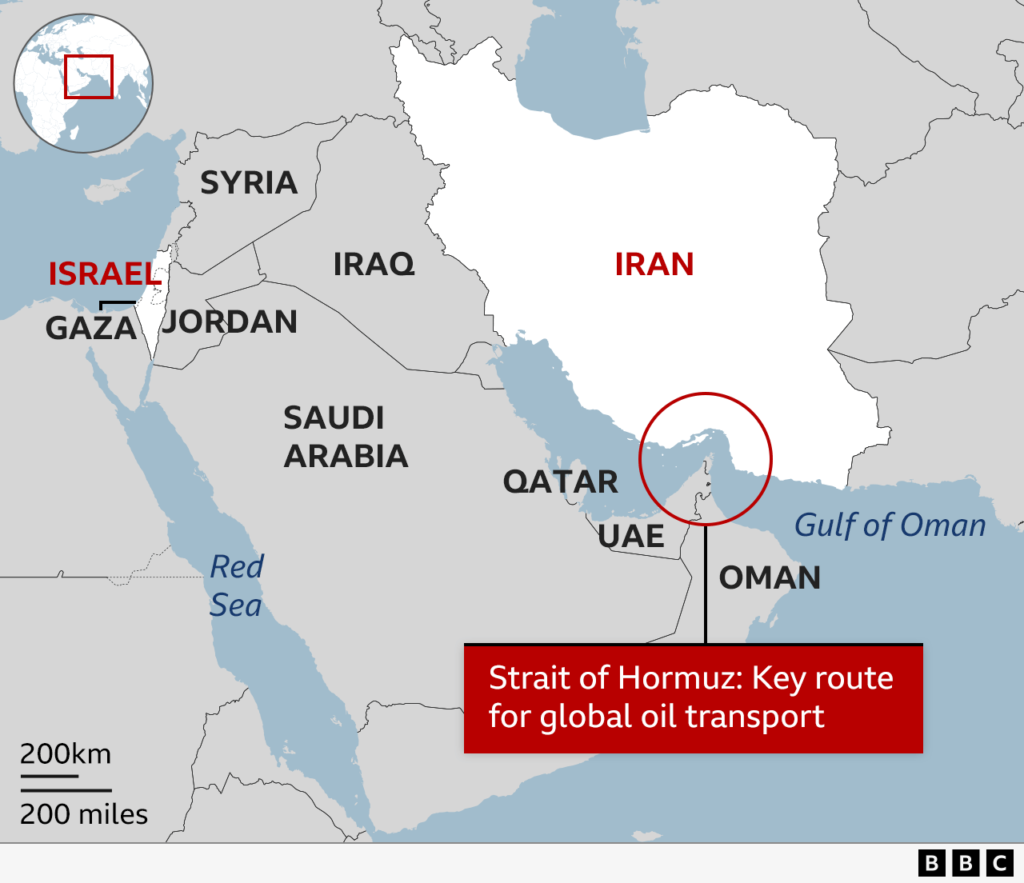
The warning comes as oil falls below $89 on a Reuters report that Tehran has committed to restore commercial traffic through the Strait of Hormuz to pre-war levels within one month of an agreement with the US.
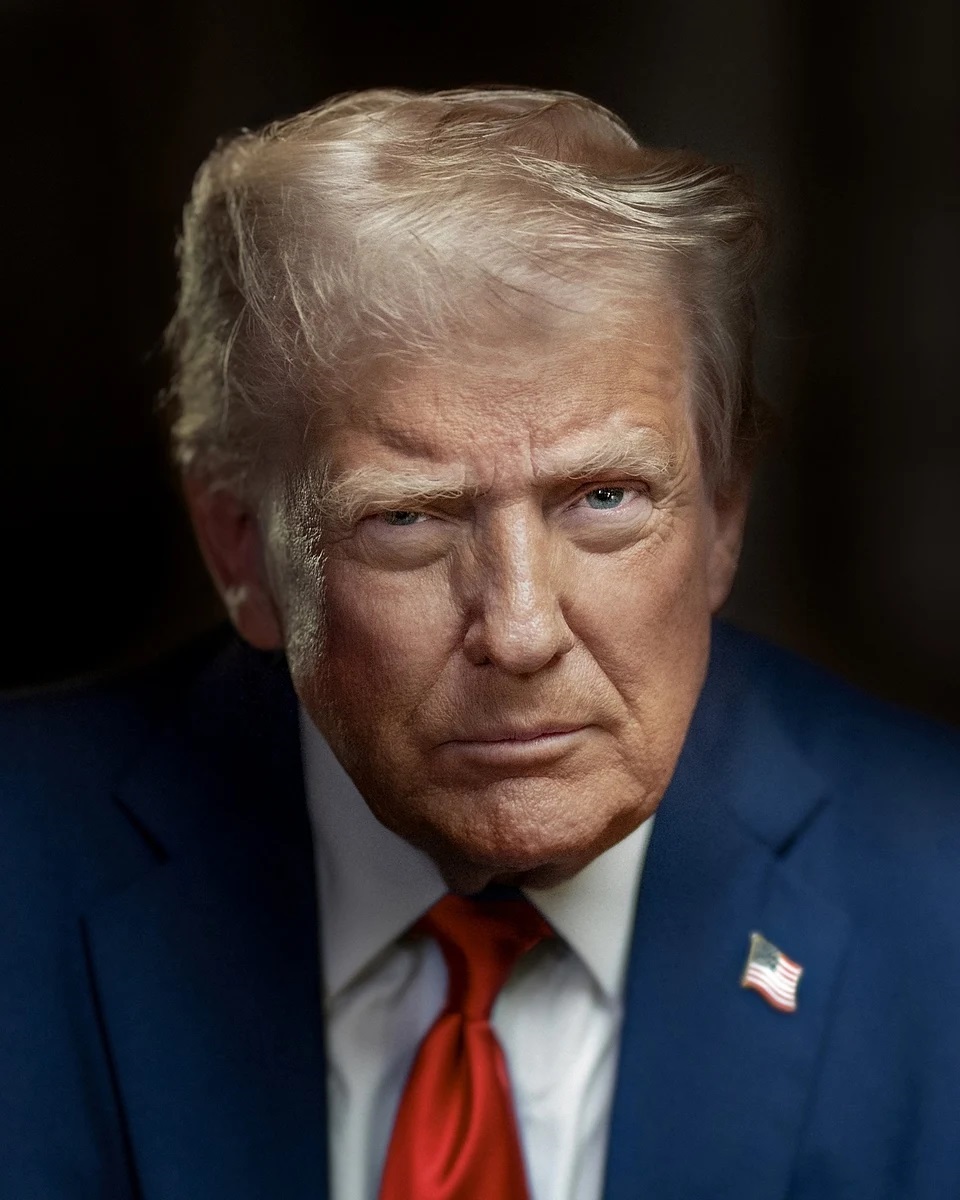
President Donald Trump will meet with his Cabinet on Wednesday at this critical moment.
But Nigel wonders why: “Markets are acting as though a framework deal instantly restores stability across the global energy system.”
In his words, “it doesn’t.
“Oil traders are pricing in peace. The physical energy industry clearly is not.”
Crude prices plunged Wednesday as traders aggressively stripped geopolitical risk premiums out of the market.
West Texas Intermediate slid more than 5%, while Brent crude dropped sharply as investors rushed back into equities and risk assets on hopes tensions between Washington and Tehran may finally cool.
Wall Street moved instantly.
The physical energy world remains far more cautious.
“One headline just wiped billions off the oil trade,” notes Nigel Green.
“But reopening Hormuz and restoring stable global energy flows are completely different things.”
The Strait of Hormuz remains the world’s most important oil chokepoint, carrying roughly a fifth of global oil consumption during normal conditions.
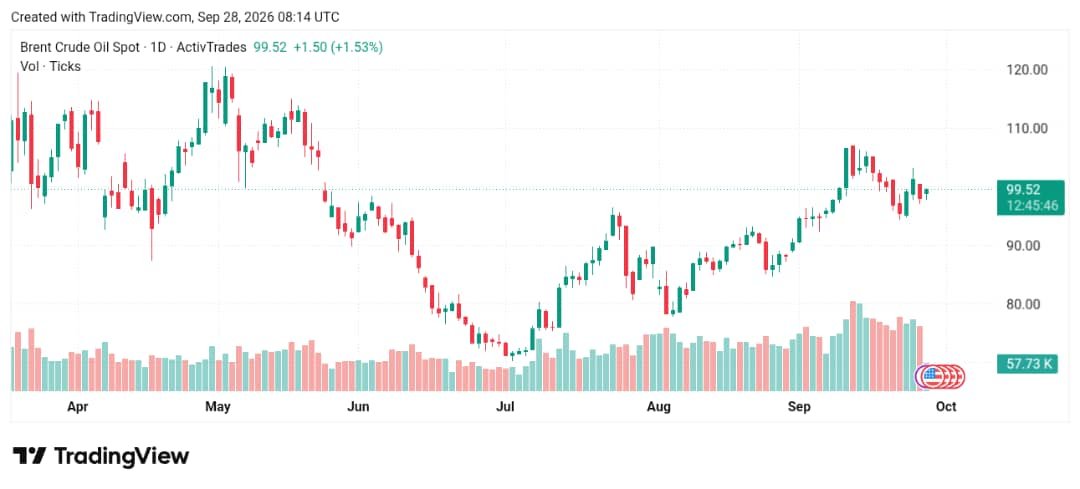
Disruption in the region earlier this month helped push Brent crude above $110 a barrel as fears intensified over supply shortages, tanker security and wider Middle East escalation.
Now markets are rapidly reversing those fears.
The deVere CEO believes investors may be underestimating how long recovery across the physical energy system could actually take.
“Financial markets recover much faster than infrastructure, logistics and geopolitical trust,” he says.
“Shipping lanes can reopen on paper long before tanker operators, insurers and energy companies behave as though conditions are genuinely stable again.”
The market reaction matters far beyond crude itself.
Lower oil prices immediately feed into inflation expectations, interest-rate assumptions, airline costs, shipping prices and broader investor sentiment. Wednesday’s sharp selloff also helped fuel gains across global equities as traders embraced the possibility the Iran crisis may begin easing.
Nigel Green warns markets may be pricing-in the best-case scenario too quickly.
“The market desperately wants lower oil because it changes the entire macro picture,” he says.
“It eases inflation pressure, supports equities and gives central banks more room.
“But markets may be moving ahead of operational reality.”
Industry executives have repeatedly warned normalization could take far longer than traders currently appear to expect.
Sultan Ahmed Al Jaber, head of Abu Dhabi National Oil Co., said last week it may take at least four months for oil flows to recover to 80% of normal levels even if hostilities ended immediately. Full normalisation may not arrive until 2027.
Military risks have not disappeared either.
US strikes on Iranian targets earlier this week pushed the region close to another escalation cycle after Tehran vowed retaliation. Oil prices have swung violently throughout May as traders repeatedly shifted between fears of direct military confrontation and optimism surrounding diplomacy.
Nigel Green explains the speed of the latest selloff also highlights how reactive financial markets have become during geopolitical events.
“Algorithmic trading and momentum positioning are amplifying market swings at extraordinary speed,” he says.
“One diplomatic headline can instantly reshape pricing across oil, equities, currencies and bond markets.”
The deVere CEO concludes: “Markets may have moved on from the crisis faster than the crisis itself.”