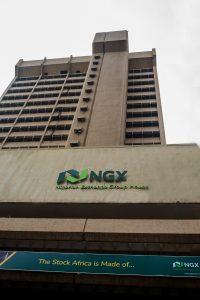

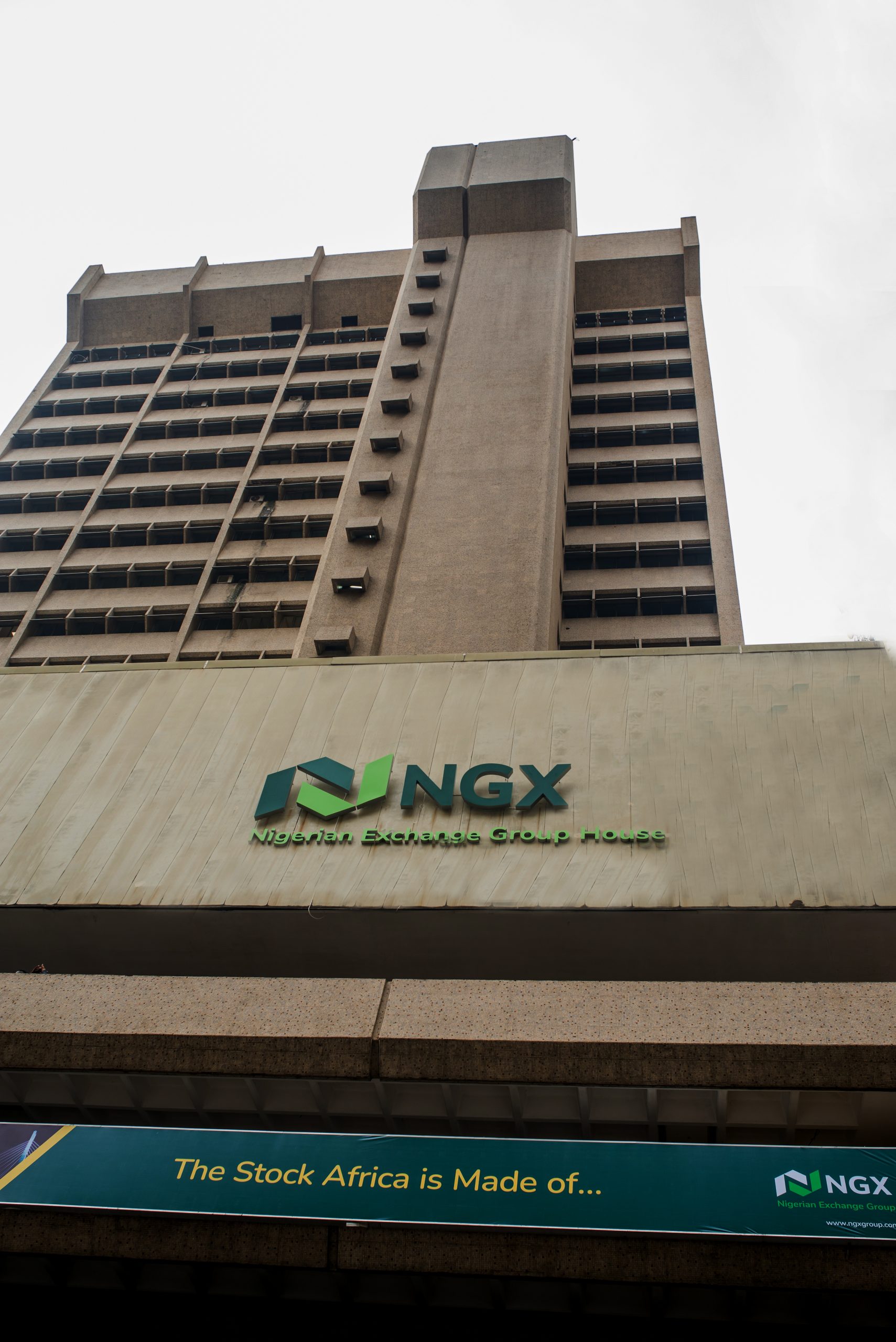
The Nigerian Exchange Limited (NGX), will today join many other global exchanges, as it expands its trading window from four and a half to seven hours daily, a move analysts believe would enable investors across the world participate more actively in the country’s equity market.
According to an April 17 statement by Clifford Akpolo, Head, Group Communications and Partnerships, the NGX said the daily trading cycle will from today be from 9:00 a.m. to 4:00 p.m. (WAT), up from its previous 10:00 a.m. to 2:30 p.m.
This, the statement explained is “designed to deepen market liquidity, enhance price discovery, and broaden investor access.”
The seven-hour cycle makes the NGX the third longest daily trading session after the London Stock Exchange (LSE) with 8:30 hours (from 8:00am-4:00pm; and Frankfurt Stock Exchange (DAX), 9:00am to 5:3pm for the electronic trading, whereas the floor trading is 12 hours daily from 8:00am to 8:00pm.
The New York Stock Exchange (NYSE) is open daily from 9:30am to 4:00pm (6:30 hours), same as the NASDAQ (National Association of Securities Dealers Automated Quotations), the world’s first all-electronic, decentralized stock exchange; just as the Tokyo Stock Exchange and Hong Kong Stock Exchange operates for 5:30 hours each daily; while China’s Shanghai Exchange opens for four hours every day.
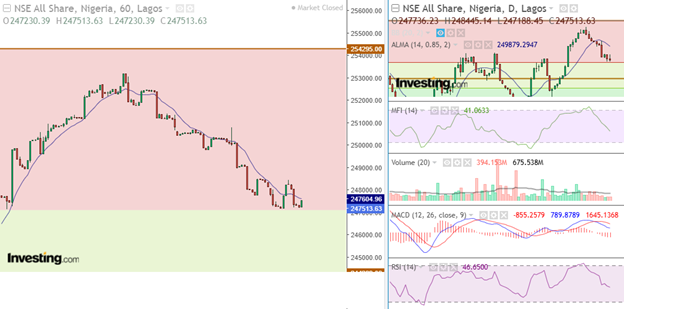
The expanded trading window, analysts agree, will attract more global investors and fund managers to a market that has for several weeks maintained an upswing, whose composite index returned 3.94% last week alone. The NGX All-Share Index closed at 225,722.49 basis points, while market capitalisation surged to ₦145.34 trillion.
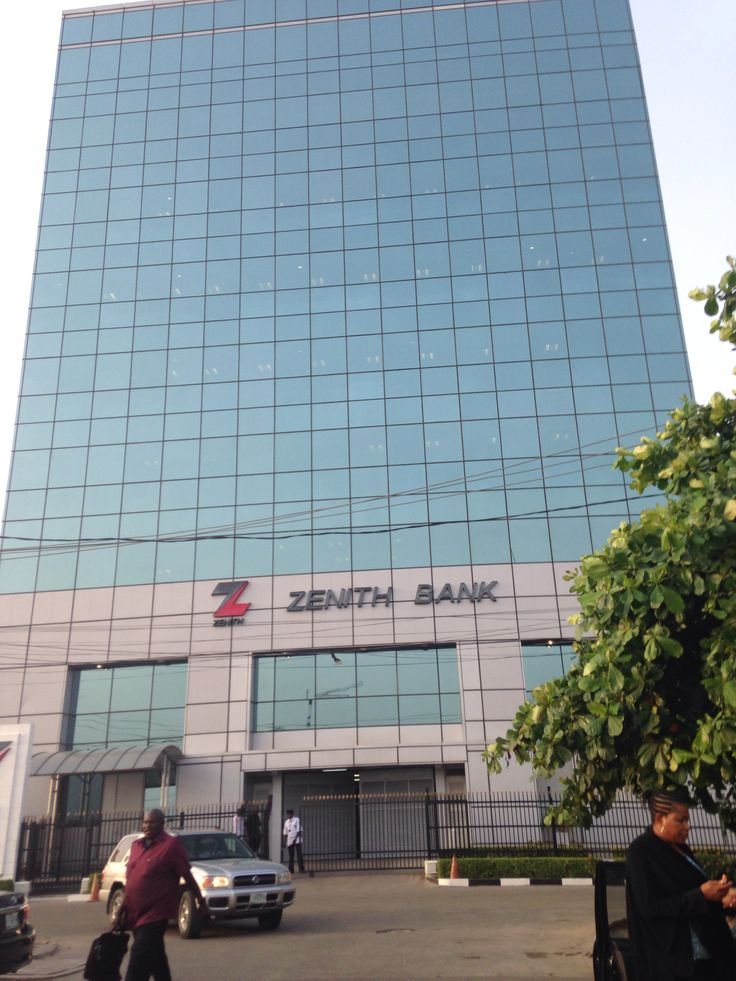
The sectoral indices toed the same line with the NGX 30 index’s 3.83% gaining, far behind the Banking Index’s 6.81%, while the Pension Index grew 4.35%, and Consumer Goods Index, 5.25%.
The expanded trading window, which has been approved by the Securities and Exchange Commission (SEC) Nigeria, market watchers believe compliments an earlier policy shift that reduced the trading cycle from T+3 (Transaction day from three days) to a T+2 cycle. This means that investors can now get value for shares they sell in three working days (the day the transaction was done, plus two working days for their bank accounts to be credited.
Commenting on the extended trading window, Ambrose Omordion, an equity analyst and Chief Research Officer at Investdata Consulting Limited agreed that it will allow for live participation by foreign investors and portfolio managers in North America, Asia and Europe, among others.
This, he said, “is important as the Nigerian market has become more robust, especially as it prepares to migrate from T+2 to T+1, in addition to the 50 percent free-float, making it more robust and liquid for foreign participation.
“The extension of time is also strategic ahead of the September migration of Nigeria from unclassified to a frontier market, all of which are part of realigning our market to the international standard,” he added.
The 90-minute extension from 2.30 pm to 4:00pm, Omordion stressed, “will give the both domestic and foreign investors enough time to react to both market sensitive local and international information. That means, our market will henceforth be more information and policy driven as investors position based on company fundamental and technical analyses. This is a welcome development and another indication that our regulators are proactive in trying to bring the NGX up to the globally accepted standards.”
Also, in a notice to clients on Friday, analysts at Coronation Registrars Limited, a major player in the Nigerian capital market, said the extension of trading time will offer them
“significantly more time to buy, sell, and respond to market movements, compared to the previous close of 2:30 PM.”
Other benefits of the extension, they added, include: more time to act to opportunities; greater flexibility to respond to late-day price movements; (and) improved ability to position your portfolio before market close.”
Already, between January and Friday, April 24, the NGXASI has delivered a 45.5% return, far more than any other investment vehicle can muster in years; while the heavyweight NGX-30 index is up by 44.90% for the period. The Banking Index has grown by 59.29%, Pension Index performed even better at 61.39%, just as the Consumer Goods Index could only muster 18.29%. However, the Oil and Gas Index is telling a far better story for those who invested therein at the beginning of the year, after returning all of 99.65% YTD.