
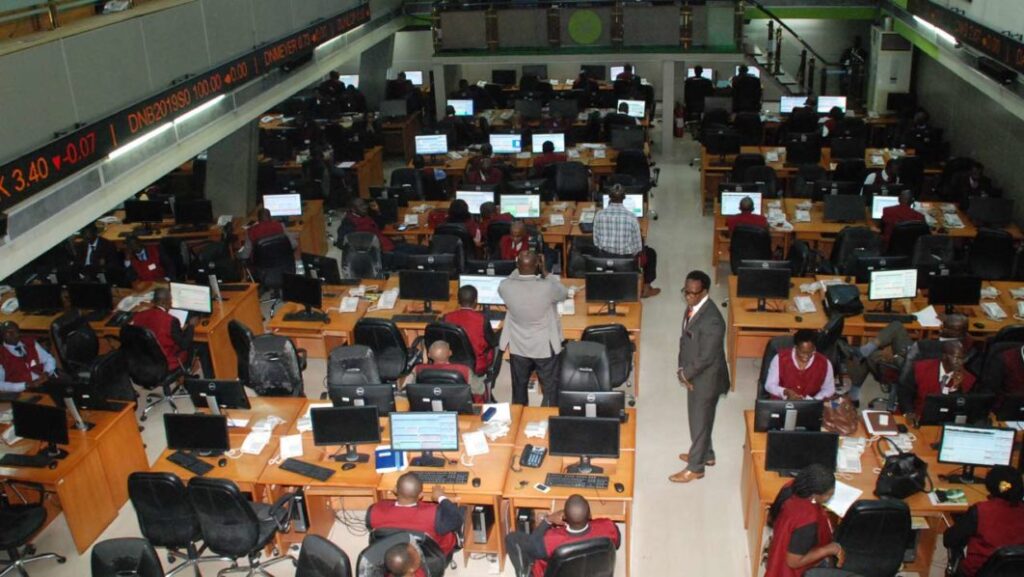
Market Update For April 27, 2026
The Nigerian equities market commenced trading under its newly extended hours with a bearish tone, marking a notable shift in sentiment after an impressive 14-session bullish run. The negative start reflects a combination of profit-taking, cautious repositioning, and reaction to recent corporate earnings, particularly within the banking sector, which has been a major driver of market performance in recent weeks.
After a prolonged rally that pushed valuations higher and lifted investor confidence, the market showed early signs of fatigue. Investors, especially institutional players, took advantage of elevated price levels to lock in gains, leading to widespread sell pressure across key sectors. This wave of profit-taking was most pronounced in banking stocks, where disappointing earnings from some players dampened sentiment and triggered a ripple effect across other financial names.
The selloffs in these heavily weighted stocks had a significant impact on the broader market direction, given their influence on the benchmark index. As a result, the decline was not isolated but rather broad-based, affecting multiple sectors and reinforcing the bearish close for the day. The reaction highlights how sensitive the market remains to earnings performance and sector-specific developments, particularly in a period following strong price appreciation.
Despite the overall negative outing, the market still exhibited underlying resilience. Select stocks, particularly within the mid- and small-cap space, continued to attract buying interest. Some counters maintained upward momentum and even traded above their 52-week highs, indicating that investors are beginning to rotate capital into fundamentally strong and relatively undervalued opportunities.
This rotation trend suggests that while the market is experiencing a short-term correction, confidence in the broader equity space remains intact. Investors are becoming more selective, shifting focus from momentum-driven trades to value-based positioning. This is a typical pattern in maturing rallies, where leadership begins to change and new opportunities emerge in less crowded segments of the market.
In terms of activity, the session recorded an uptick in both volume and value traded, signaling sustained market participation despite the bearish outcome. The increase in turnover reflects active repositioning by market participants, with strong engagement from both retail and institutional investors. Banking stocks dominated trading activity, accounting for a significant share of total volume and value, further underscoring their central role in shaping market direction.
The elevated level of trading activity, even in a declining market, is an important signal. It suggests that liquidity remains strong and that the market is not experiencing a withdrawal of funds, but rather a reallocation of capital. This dynamic is critical in maintaining market stability and supports the view that the current downturn is corrective rather than structural.
On the macro front, developments in the global oil market continue to provide a strong backdrop for investor sentiment. Crude oil prices climbed to a two-week high, supported by ongoing geopolitical tensions and supply constraints. The stalemate in negotiations between the United States and Iran has limited progress toward easing supply disruptions, while reduced vessel traffic through the Strait of Hormuz continues to tighten global oil flows.
Brent crude rose to $107.49 per barrel, extending its recent rally, while U.S. West Texas Intermediate (WTI) traded at $95.72. The sustained increase in oil prices reflects tightening supply conditions, with millions of barrels per day reportedly unable to reach the international market. This imbalance between supply and demand is expected to keep prices elevated in the near term.
For Nigeria, higher oil prices present both opportunities and challenges. On one hand, increased oil revenues could support fiscal stability and foreign exchange inflows. On the other hand, persistent high energy costs contribute to inflationary pressures, which could weigh on consumer purchasing power and overall economic growth. Additionally, the global inflation outlook remains a concern, as rising energy prices may prompt central banks to maintain tighter monetary policies for longer.
The interplay between these macroeconomic factors and domestic market dynamics will continue to shape investor sentiment in the coming sessions. Market participants are likely to remain attentive to global developments, particularly those affecting oil prices, interest rates, and capital flows.
Technical Analysis & Outlook
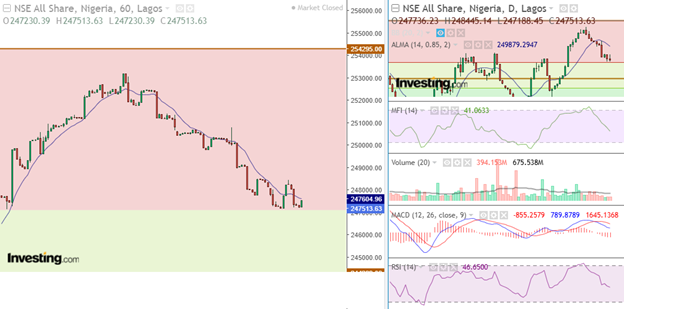
Technically, the NGX All-Share Index has entered a corrective phase after an extended period of upward movement. The recent pullback indicates weakening bullish momentum, as the index encounters resistance at higher levels and struggles to sustain its previous pace of growth.
Momentum indicators are beginning to trend downward, reflecting reduced buying pressure and increasing caution among investors. The sharp decline in banking stocks, which carry significant weight in the index, has further reinforced the bearish outlook in the short term. If this trend persists, the market could experience additional downside pressure in the near term.
However, it is important to note that the broader trend remains positive. The index is still trading above key support levels, suggesting that the long-term bullish structure is intact. The current decline appears to be a healthy correction, allowing the market to consolidate gains and reset valuations after a strong rally.
In the sessions ahead, the market is expected to trade with mixed sentiment. Bargain hunting is likely to emerge as prices adjust to more attractive levels, particularly in fundamentally sound stocks with strong earnings potential. At the same time, continued profit-taking and cautious positioning may limit the pace of recovery.
Sector rotation will remain a key theme, as investors shift focus from overbought stocks to undervalued opportunities across different segments of the market. Liquidity conditions, institutional activity, and earnings releases will also play a crucial role in determining market direction.
Overall, while short-term volatility is expected, the market’s underlying strength suggests that opportunities for selective accumulation remain. Investors are advised to adopt a disciplined approach, focusing on quality stocks and maintaining a balanced portfolio strategy.
Market Summary
The NGX All-Share Index declined by 0.94% to close at 223,602.29 points, down from 225,722.49 points in the previous session. Market capitalisation fell by ₦1.37trn to ₦143.97trn, while year-to-date return moderated to 43.69%.
Market breadth closed negative, with 40 decliners against 36 gainers, reflecting the dominance of bearish sentiment. ABBEYBDS led the gainers’ chart, while FIRSTHOLDCO, TRANSEXPR, and UBA recorded the steepest losses.
Key market movers included FIRSTHOLDCO (-10.00%), UBA (-10.00%), ACCESSCORP (-9.90%), FIDELITYBK (-9.87%), NGXGROUP (-6.00%), OANDO (-5.96%), GTCO (-4.34%), ZENITHBANK (-4.17%), ETI (-3.85%), PZ (-2.55%), TRANSCORP (-0.21%), IKEJAHOTEL (-0.14%), and MTNN (-0.09%).
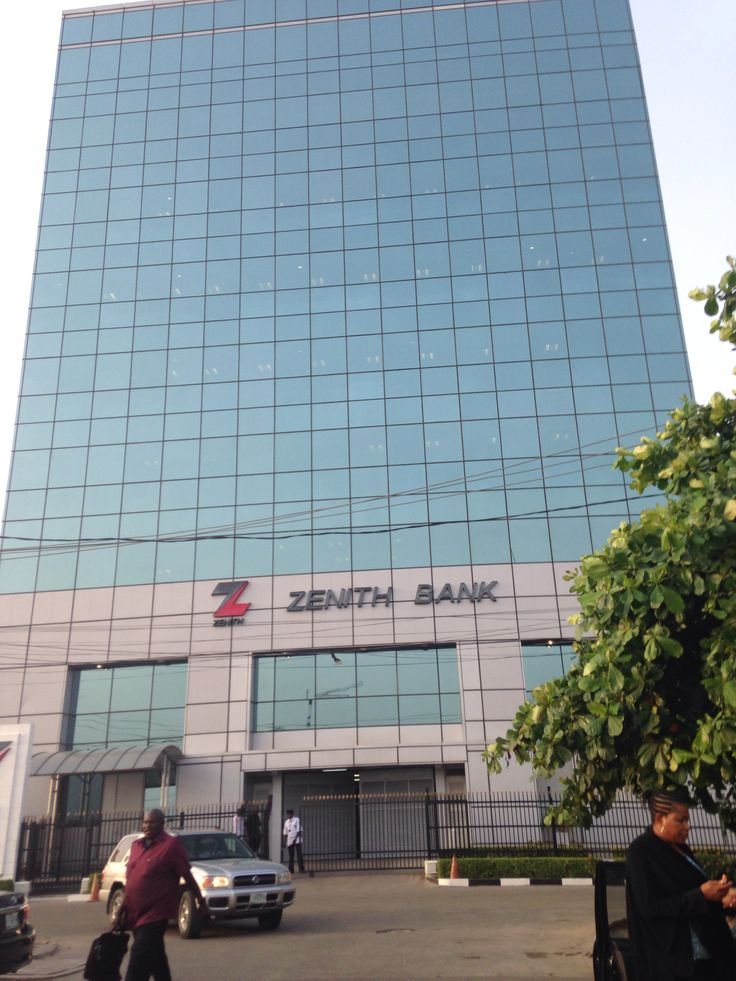
Trading activity strengthened, with total volume traded rising by 8.06% to 678.17 million units valued at ₦44.14bn across 83,838 deals. ZENITHBANK led both volume and value charts, accounting for 11.22% and 21.60% respectively. WEMABANK and ACCESSCORP followed on the volume chart, while MTNN and ARADEL ranked behind ZENITHBANK in traded value.