
Market Update For July 24, 2026
The Nigerian equities market ended Friday, July 24, 2026, on a softer note as investors booked profits in banking and other large-cap stocks following the market’s recent gains. The decline in the benchmark index reflected renewed selling pressure in some heavyweight counters, although the broader market remained relatively resilient as more stocks advanced than declined during the session.
The session’s performance highlighted the mixed sentiment currently shaping the domestic equity market. While investors continued to show appetite for selected fundamentally sound stocks, profit-taking emerged in some of the market’s most influential counters. This divergence between the performance of large-cap stocks and the wider market resulted in a negative close for the benchmark index despite positive market breadth.
The development suggests that investors are becoming more selective after the strong rally recorded across the Nigerian equities market in recent weeks. Rather than a broad-based exit from equities, the session appeared to reflect portfolio repositioning, with some investors taking gains from stocks that have recorded significant appreciation and reallocating funds towards other counters with perceived upside potential.
The banking sector remained one of the key pressure points during the session, with notable declines recorded across several major lenders. FIDELITYBK, UBA, WEMABANK and FIRSTHOLDCO all closed lower, weighing on the market’s performance. Given the significant market capitalisation of many banking stocks, declines in these counters can have a disproportionate impact on the overall index.
The weakness was not, however, limited to financial stocks. Selling pressure was also seen in selected industrial, consumer and energy-related counters, including PRESCO, CWG, MAYBAKER, TRANSCORP, NGXGROUP and OANDO. PRESCO recorded the sharpest decline among the major laggards, falling by 10.00%, while several other stocks posted more moderate losses.
Despite the pressure on the index, the session was supported by strong advances in a number of stocks. CNIF emerged as the strongest performer among the gainers, closing at ₦127.60 after rising 10.00%. The stock also traded above its 52-week high of ₦116.00, highlighting the strength of buying interest around the counter.
The strong performance of several mid- and smaller-cap stocks helped keep market breadth in positive territory. This indicates that the weakness recorded in the index was largely concentrated in selected high-capitalisation stocks rather than being representative of the entire market. For investors, the breadth reading provides a more constructive picture of underlying sentiment than the headline index performance alone.
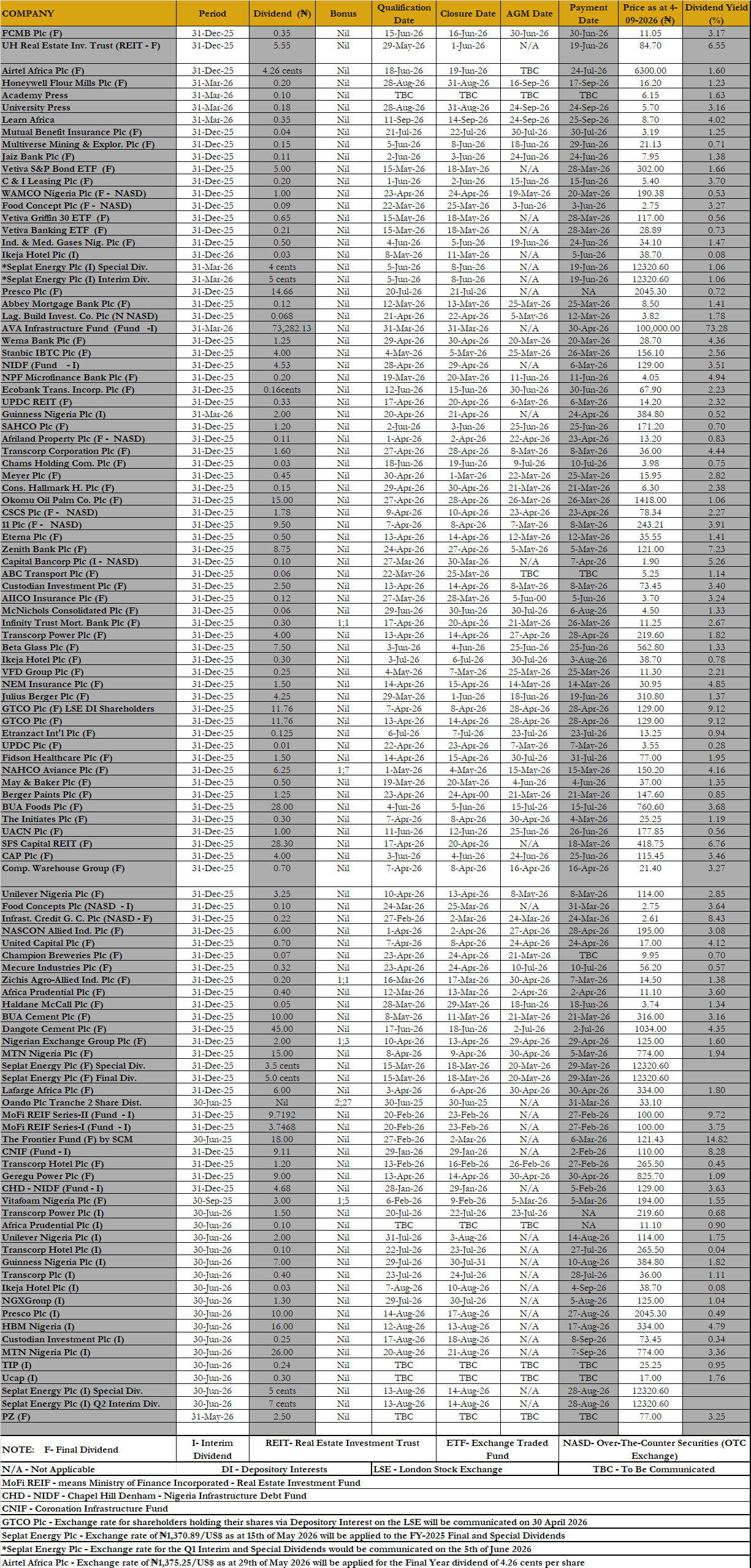
Trading activity, however, weakened during the session. Total volume declined by 21.45% to 614.55 million shares, while the value of transactions stood at ₦32.95 billion across 55,282 deals. The decline in volume suggests that investors were less aggressive in deploying capital compared with the previous session, potentially reflecting a wait-and-see approach following recent market gains.
ACCESSCORP dominated activity by volume, with 128.01 million shares changing hands, representing 20.83% of total market volume. FIRSTHOLDCO and CHAMS also recorded significant activity, contributing 5.76% and 5.66%, respectively, to total traded volume.
In terms of value, ARADEL led market activity with transactions worth ₦6.62 billion, representing 20.10% of total value traded. FIRSTHOLDCO and ZENITHBANK also featured prominently among the most actively traded stocks by value, underscoring the continued importance of large-cap and financial stocks in overall market turnover.
The performance of the domestic market also came against a backdrop of renewed volatility in the global oil market. Crude oil prices fell by more than 3% on Friday after climbing above $100 per barrel in the previous session. Brent crude declined by $3.59, or 3.57%, to $97.10 per barrel, while West Texas Intermediate (WTI) fell by $3.14, or 3.41%, to $89.05 per barrel.
Despite the sharp daily decline, both benchmarks remained on track for substantial weekly gains. Brent was positioned for a weekly increase of more than 10%, while WTI was heading for a weekly gain of nearly 8%. The market continued to price in risks associated with escalating geopolitical tensions and potential disruptions to global energy supply.
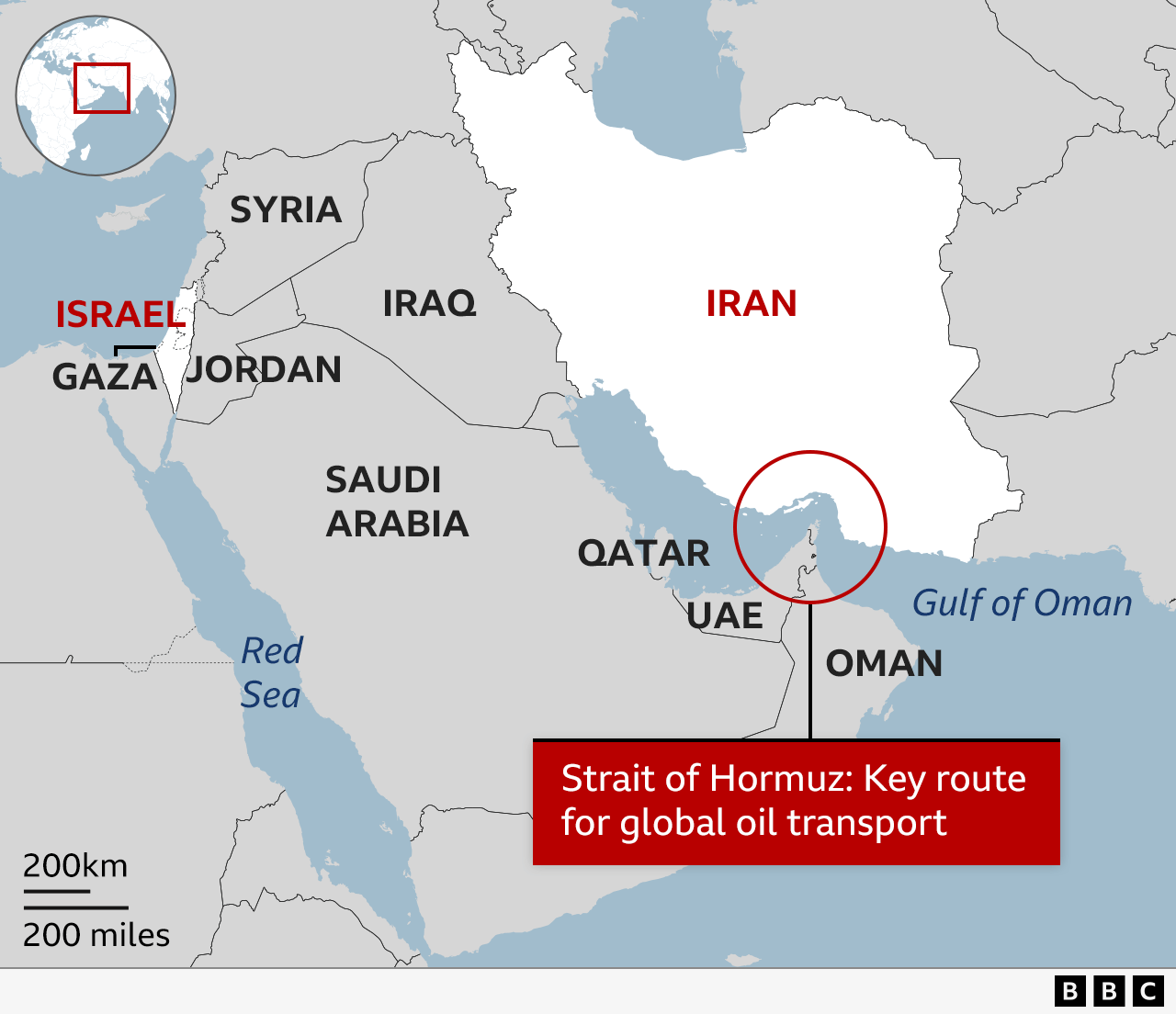
The latest movement in crude prices was linked to heightened tensions in the Middle East, including concerns over attacks involving Houthi forces in the Red Sea and the broader escalation of conflict involving the United States and Iran. The developments have renewed concerns over the security of key energy transportation routes, particularly the Bab el-Mandeb gateway and the Strait of Hormuz.
For Nigeria, movements in international oil prices remain an important consideration for investors because of the country’s dependence on crude oil exports for foreign exchange earnings and government revenues. Sustained strength in oil prices could provide support for fiscal receipts and external liquidity, while also improving sentiment towards energy-related stocks.
However, the geopolitical risks driving oil prices higher also introduce additional uncertainty into global financial markets. Any prolonged disruption to major shipping routes could increase transportation costs, push up inflationary pressures and complicate monetary policy decisions across major economies. These developments could indirectly affect capital flows into emerging markets such as Nigeria.
Technical Analysis and Outlook
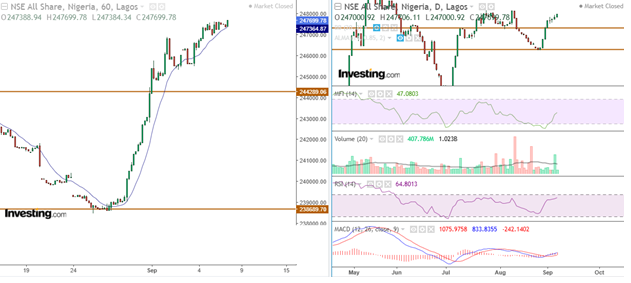
From a technical perspective, Friday’s decline appears to represent a moderate pullback following the market’s recent upward momentum rather than a clear reversal of the broader bullish trend. The ASI remains positioned close to its recent highs, while the positive market breadth indicates that buying interest continues to exist beneath the surface.
The divergence between the negative index performance and positive market breadth is particularly important. It suggests that the day’s weakness was driven mainly by profit-taking in selected large-cap stocks rather than widespread liquidation across the market. This could provide some comfort to investors who are monitoring the sustainability of the current rally.
However, the decline in trading volume introduces a note of caution. A sustained market advance typically requires strong participation and rising liquidity. If turnover continues to weaken while the index struggles to reclaim recent highs, the market could enter a period of consolidation as investors reassess valuations and await fresh catalysts.
The banking sector will remain a key area to watch. Recent profit-taking across major banking stocks could continue if investors choose to lock in gains following their strong performances. On the other hand, renewed institutional demand for fundamentally strong banks could quickly restore upward momentum, particularly if corporate earnings and macroeconomic conditions remain supportive.
The positive breadth also suggests that market rotation could become a defining feature of trading in the near term. Investors may continue moving funds from stocks that have already recorded significant gains into counters with stronger valuation appeal or improved earnings prospects. This could create opportunities in selected mid- and small-cap stocks even if the headline index remains range-bound.
Going into the next trading sessions, the ASI’s ability to hold above key support levels around the 247,000-point region will be important. A sustained recovery above recent highs, supported by stronger volume and renewed buying in heavyweight stocks, would reinforce the bullish outlook and potentially open the door to further gains. Conversely, a sustained break below near-term support, accompanied by rising selling pressure and deteriorating market breadth, could signal a deeper correction.
Overall, the market outlook remains cautiously bullish, but investors should expect increased volatility following the strong gains recorded year-to-date. With the market’s YTD return still close to 59%, profit-taking is likely to remain a recurring feature as investors rebalance portfolios and secure gains. The combination of strong domestic liquidity, corporate fundamentals and elevated oil prices remains supportive, although geopolitical risks, valuation concerns and profit-taking could limit the pace of further gains.
ASI, Capitalisation, Values, Performance, Market Breadth and Market Movers: The NGX All-Share Index (ASI) declined by 0.19% to close at 247,357.40 points, compared with 247,831.40 points in the previous session. Market capitalisation fell by approximately ₦305.82 billion, while the market’s year-to-date performance moderated to 58.96%. Total volume traded declined by 21.45% to 614.55 million shares, while total value traded stood at ₦32.95 billion across 55,282 deals. ACCESSCORP recorded the highest volume with 128.01 million shares, accounting for 20.83% of total market volume. FIRSTHOLDCO and CHAMS followed with 5.76% and 5.66%, respectively. By value, ARADEL led with ₦6.62 billion, representing 20.10% of total value traded, while FIRSTHOLDCO and ZENITHBANK also ranked among the leading value contributors. Market breadth remained positive, with 34 gainers against 25 losers, indicating that buying interest was broader than the negative index performance suggested. Top gainers: CNIF rose 10.00% to ₦127.60, trading above its 52-week high of ₦116.00; ABBEYBDS gained 10.00% to ₦10.67; ACADEMY advanced 9.99% to ₦9.91; NEIMETH increased 9.96% to ₦6.18; UPL climbed 9.94% to ₦5.97; MANSARD rose 9.90% to ₦13.32; RTBRISCOE gained 9.87% to ₦4.23; SUNUASSUR advanced 9.84% to ₦7.26; THOMASWY increased 9.82% to ₦3.69; and REGALINS appreciated 9.68% to ₦1.36. Top losers: PRESCO declined 10.00% to ₦1,215.00; FIDELITYBK fell 4.55% to ₦35.70; UBA dropped 4.37% to ₦52.55; CWG declined 4.15% to ₦12.70; MAYBAKER lost 2.38% to ₦20.50; TRANSCORP fell 2.13% to ₦70.00; NGXGROUP declined 1.27% to ₦58.40; OANDO shed 1.11% to ₦68.90; WEMABANK eased 0.63% to ₦15.70; and FIRSTHOLDCO slipped 0.33% to ₦30.00.