

Akintunde Oyedokun
Research Analyst
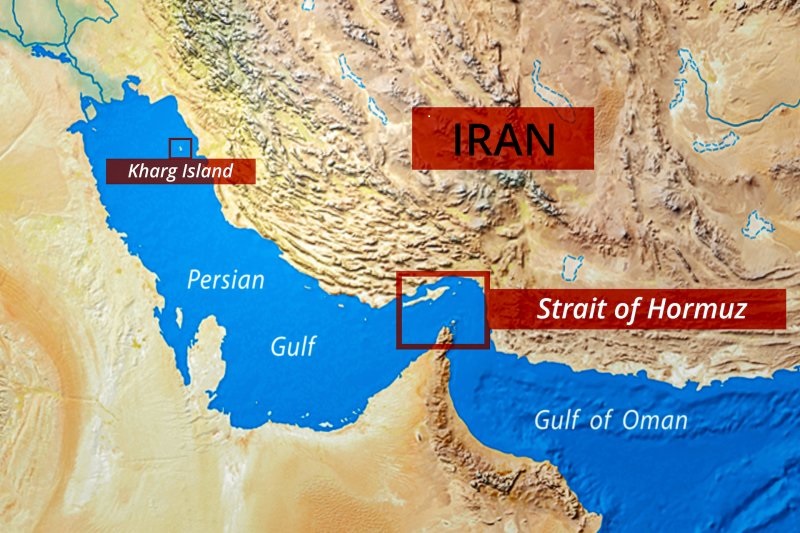
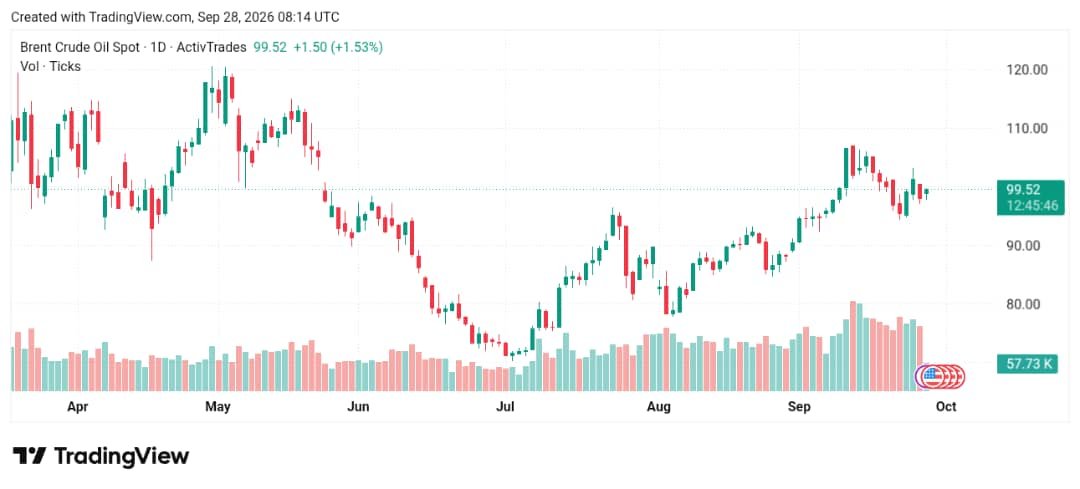
Oil prices steadied on Friday, with Brent crude at $105.92 per barrel and US WTI down 0.2% to $97.75. Brent gained 1.2% for the week, while WTI rose 6.5%, supported by Middle East supply disruptions and falling US crude inventories.
Meanwhile, the IEA’s plan to release over 20 million barrels of diesel pushed European diesel refining margins down nearly 2% to $78.67 per barrel. The US is also considering easing sanctions on certain oil tankers to reduce global shipping costs.
US Budget Deficit Climbs to $1.99 Trillion
The US budget deficit rose by $217 billion to $1.99 trillion in fiscal 2026, its highest in five years, driven by record debt-servicing costs, tariff refunds and increased government spending.
Revenue rose 3% to $5.40 trillion, while spending climbed 6% to $7.40 trillion. Debt-servicing costs reached a record $1.36 trillion, defence spending rose to $917 billion, and the deficit-to-GDP ratio increased to 6.2% from 5.8% in 2025.
Brazil’s Economic Activity Grows 0.3% in August
Brazil’s economic activity rose 0.3% in August, in line with forecasts, driven by a 0.9% expansion in industry. The central bank projects GDP growth of 1.8% in 2026 and 1.4% in 2027 as it seeks to curb inflation. Its benchmark Selic rate stands at 13.75% following five consecutive rate cuts.
Angola’s Fuel Subsidy Bill May Reach $4.16bn
Angola’s fuel subsidy costs could hit $4.16 billion in 2026, nearly double initial estimates, as rising oil prices strain public finances. The government plans gradual subsidy cuts while protecting vulnerable households. Oil prices are projected at $90 per barrel by year-end, against the budget benchmark of $61.
Nigeria’s Oil Sector Forex Use Falls 18.7% to $2.15bn
Nigeria’s oil sector utilised $2.15bn in foreign exchange in H1 2026, down 18.7% from $2.64bn a year earlier. CBN data showed Q2 utilisation rose 38.9% to $1.25bn, while June recorded the highest monthly figure at $559.79m, up 47.2% from May.
Despite the rebound, second-quarter utilisation remained 9.7% below the level recorded in the same period of 2025.