
Most portfolios never anticipated and were not built for the kind of shock that followed the imposition of new tariffs on 60 economies simultaneously by the U.S, according to Nigel Green, CEO of deVere Group, one of the world’s largest independent financial advisory organisations.
This followed the confirmation by the Trump administration of new 10% to 12.5% duties on imports from most major trading partners, effective Friday, in its most sweeping trade action since the Supreme Court struck down the administration’s original global tariff structure in February.
The levies follow an investigation into roughly 60 economies over forced-labour practices, touching nearly every major US trading relationship at once, from Canada and the EU to Japan, India, Switzerland and Taiwan.
Nigel Green says: “One country facing new tariffs is a single-sector concern for that country’s exporters. Sixty economies facing new tariffs on the same day is something else entirely, and most portfolios are simply not built for a shock of that size.”
Rates vary by relationship. Canada, the UK, the EU, Taiwan, Mexico and India secured the lower 10% tier tied to forced-labour compliance, while Japan, Switzerland, South Korea and dozens of others face 12.5%. A separate investigation into industrial overcapacity across 16 more economies is already underway.
The deVere CEO says: “Diversification on paper means nothing if half your holdings quietly depend on the same handful of manufacturing regions or shipping routes, and that is the gap this announcement just exposed in a lot of portfolios that looked fine yesterday.”
Currency markets, bond yields, and equity sector rotation are all likely to move over the coming weeks, particularly where the new rate diverges sharply from what companies had priced in after earlier bilateral deals.
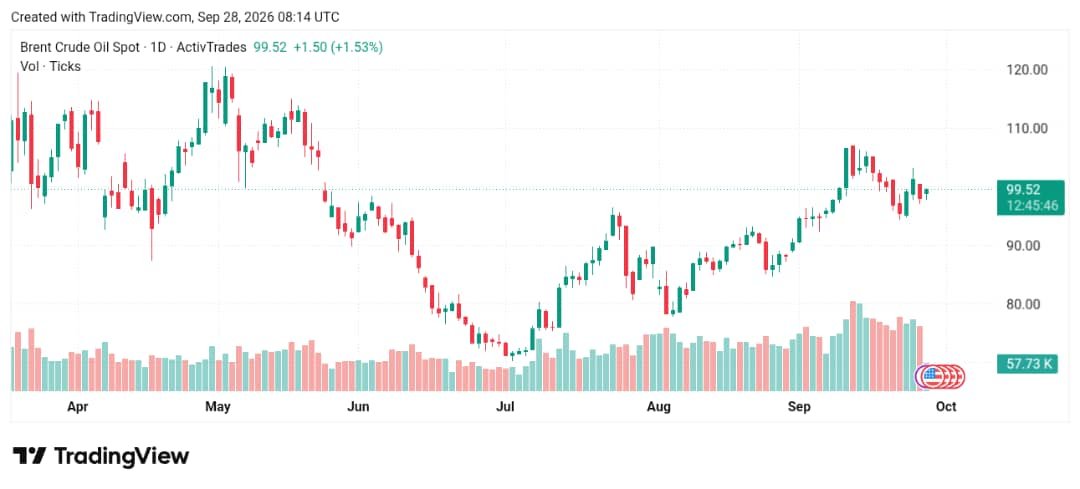
Nigel Green says: “Tariffs are a tax, plain and simple, and a tax this broad has inflation consequences central banks cannot ignore, even before you factor in what is happening with oil right now on top of it.”
He is telling clients trade policy has stopped being background noise and become something they have to actively plan around.
The deVere CEO says: “This is not a headwind you wait out anymore. It appears to be becoming a permanent input into how you build a portfolio, the same way interest rates or currency risk are, and treating it as temporary is the mistake I’m most worried about right now.”
Nigel Green says: “Investors who sit on their hands until this settles are still making a decision, just a passive one, and usually the wrong one. The ones adjusting exposure this week will be ahead of a market that’s still working out what just happened.”
The deVere CEO concludes: “Savvy investors are more likely to be over-hedging for three months than discover in Q4 earnings season that their diversification was an illusion built on paper, not on where their companies actually source and sell.”