
Market Update For June 25, 2026
The Nigerian Exchange (NGX) ended Thursday’s trading session on yet another bearish note, extending its ongoing corrective trend as investors took profits in several highly capitalised stocks across the banking, oil and gas, and industrial goods sectors. The selloff outweighed bargain-hunting activities in selected counters, resulting in a broad-based decline that dragged the benchmark index lower and reduced investors’ wealth by nearly one trillion naira.
The negative close reflects the market’s current phase of consolidation following an impressive rally that has seen the NGX deliver one of the strongest performances among global frontier and emerging markets this year. With many stocks still trading around multi-month highs, investors have continued to lock in gains while awaiting fresh catalysts from half-year corporate earnings, dividend expectations and macroeconomic developments.
Trading sentiment remained weak throughout the session as sellers dominated activities in major stocks that have been key drivers of the market’s year-to-date performance. The persistent profit-taking pressure was particularly evident in the oil and gas sector, where investors reacted to declining crude oil prices in the international market. Banking stocks also witnessed renewed selling pressure as traders took profits from recent gains recorded in the sector.
The market decline came despite pockets of bargain hunting in a number of low- and medium-priced stocks, highlighting the selective nature of investment decisions in the current environment. While value investors continued to take positions in fundamentally attractive counters, the broader market remained under pressure from sustained selloffs in large-cap stocks whose weight significantly influences the overall direction of the benchmark index.
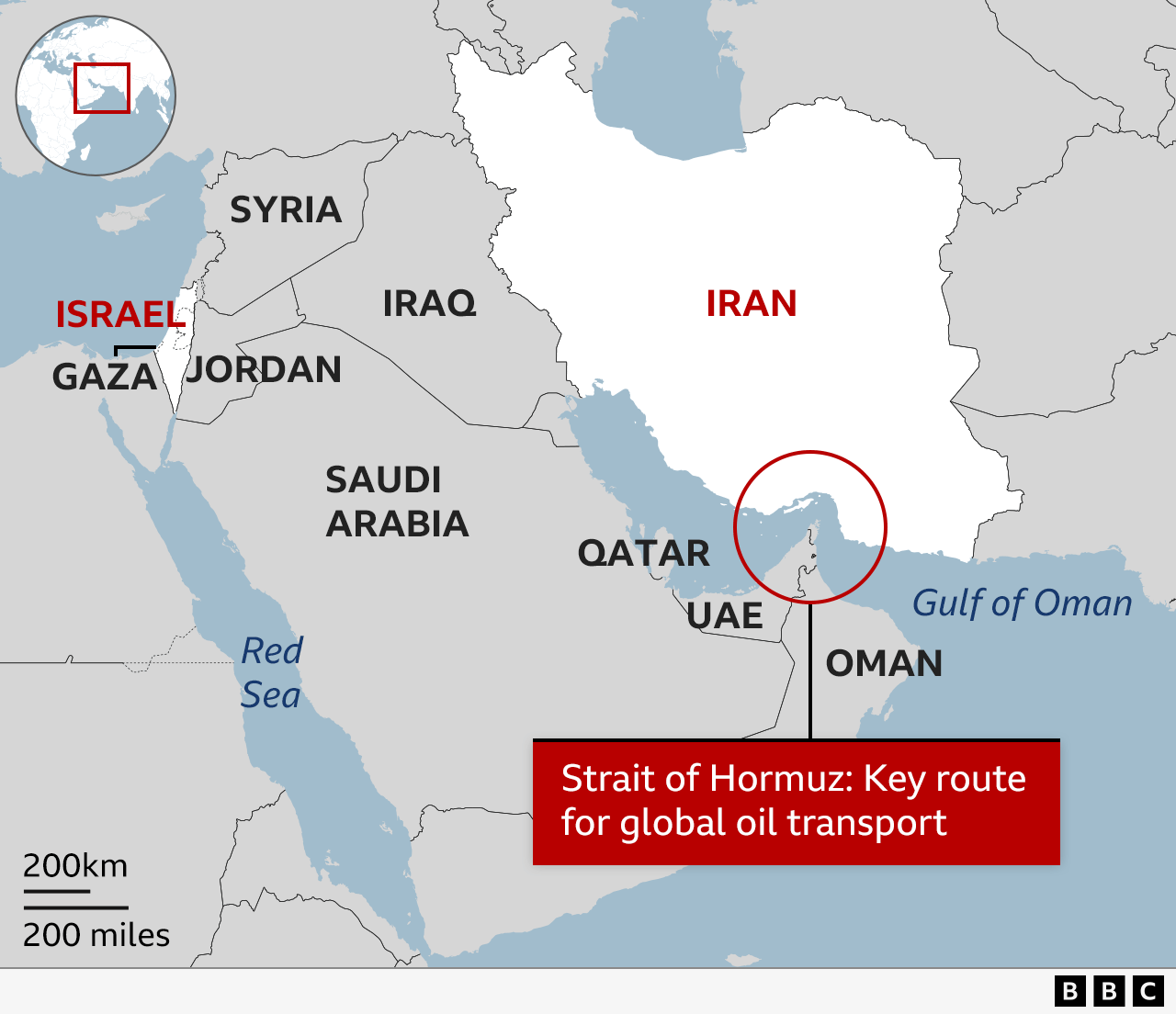
Globally, crude oil prices remained under pressure as concerns over supply disruptions eased following improved shipping activities in the Middle East. Brent crude futures slipped 0.34% to $73.49 per barrel, while U.S. West Texas Intermediate (WTI) crude declined 0.34% to $70.10 per barrel. Market participants reacted to reports showing that oil flows through the Strait of Hormuz have largely returned to normal levels, reducing fears of supply shortages. Expectations of increased exports from the Middle East and the possibility of higher Iranian crude sales also contributed to the decline in oil prices.
The easing in crude oil prices could have mixed implications for the Nigerian market. While lower oil prices may moderate government revenue expectations and weigh on sentiment in energy-related stocks, they could also help reduce inflationary pressures globally and support economic stability if sustained. Investors are therefore expected to continue monitoring developments in the oil market for clues on future sector performance.
On the domestic front, market participants remained focused on economic fundamentals, monetary policy expectations and corporate earnings prospects. The gradual moderation in inflation expectations, improved liquidity conditions and anticipation of stronger half-year earnings from listed companies continue to support the medium- to long-term outlook for equities despite the current correction.
Sectoral performance remained largely negative as investors exited positions in several bellwether stocks. The banking sector, which has been among the market’s strongest performers this year, witnessed increased profit-taking in some tier-one and tier-two lenders. The industrial goods and oil and gas sectors also came under pressure, contributing significantly to the day’s decline.
Notwithstanding the bearish session, analysts continue to view the current market weakness as a healthy correction rather than a reversal of the broader bullish trend. Historically, periods of profit-taking often create attractive entry opportunities for long-term investors seeking exposure to quality stocks at discounted prices. This has kept bargain hunters active in selected counters despite the broader market weakness.
Technical Analysis and Outlook
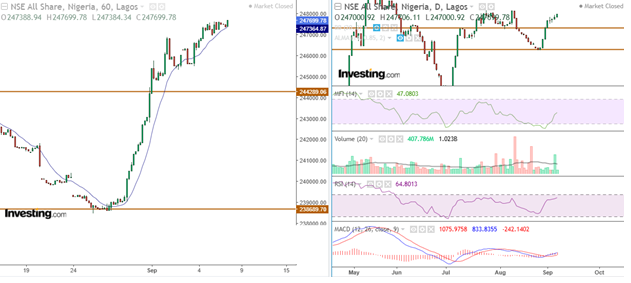
From a technical perspective, the NGX All-Share Index sustained its short-term downtrend after breaking below the 235,000 psychological support level. The market has now recorded consecutive sessions of profit-taking, indicating a temporary shift in momentum from buyers to sellers. The decline was accompanied by negative market breadth, confirming the weakness across a broad range of stocks.
However, despite the recent pullback, the broader market structure remains bullish. The index continues to trade above key medium-term support levels, while its year-to-date gain of over 50% underscores the strength of the underlying trend. The current correction is therefore viewed as a natural retracement following months of sustained upward movement.
The decline in trading volume suggests that aggressive selling pressure may be moderating, as many investors appear to be adopting a wait-and-see approach ahead of the earnings season. If bargain hunting returns to fundamentally sound stocks, the market could witness a rebound from current levels. On the other hand, continued profit-taking in large-cap stocks may keep the market under pressure in the near term.
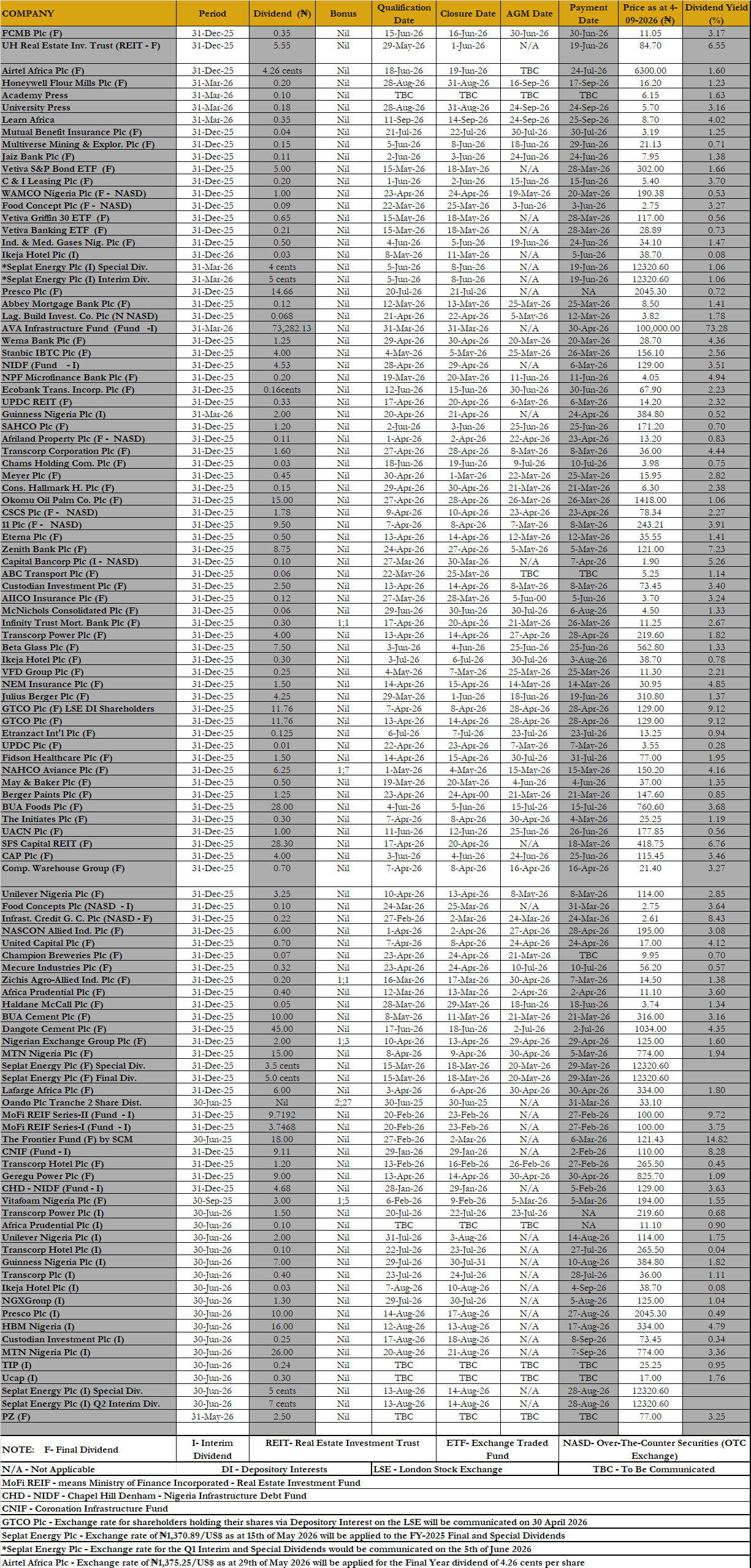
Going forward, investors are expected to focus on stocks with strong earnings growth potential, attractive dividend yields and resilient business fundamentals. Market sentiment is also likely to be influenced by developments in the fixed-income market, foreign exchange stability, crude oil price movements and upcoming corporate results. Portfolio rebalancing activities by institutional investors could further drive trading patterns in the weeks ahead.
The NGX All-Share Index fell by 0.64% to close at 233,580.83 points, down from 235,074.54 points recorded in the previous session, while market capitalisation declined by N958.50bn, reducing the market’s year-to-date return to 50.10%. Market breadth closed negative with 14 gainers against 34 losers, reflecting widespread selling pressure across sectors. Total volume traded dropped by 19.35% to 393.65 million shares valued at N19.21bn in 45,813 deals. ACCESSCORP led the volume chart with 39.05 million shares, accounting for 9.92% of total traded volume, followed by CHAMS and FIDELITYBK, which contributed 6.22% and 6.11% respectively. On the value chart, WAPCO recorded the highest turnover of N2.25bn, representing 11.70% of total market value traded, ahead of ZENITHBANK and ARADEL. Major market movers included ARADEL (-10.00%), OANDO (-8.47%), TRANSCORP (-6.86%), WEMABANK (-4.26%), NGXGROUP (-2.58%), UBA (-1.76%), DANGSUGAR (-0.71%) and FIRSTHOLDCO (-0.33%). The top gainers for the session were REDSTAREX (+10.00%), ABC Transport (+9.96%), UPDC (+9.95%), TIP (+9.92%) and EUNISELL (+9.91%), while the biggest losers were ARADEL (-10.00%), DEAPCAP (-10.00%), OANDO (-8.47%), TRANSCORP (-6.86%) and NEIMETH (-6.67%).