
Akintunde Oyedokun
Research Analyst
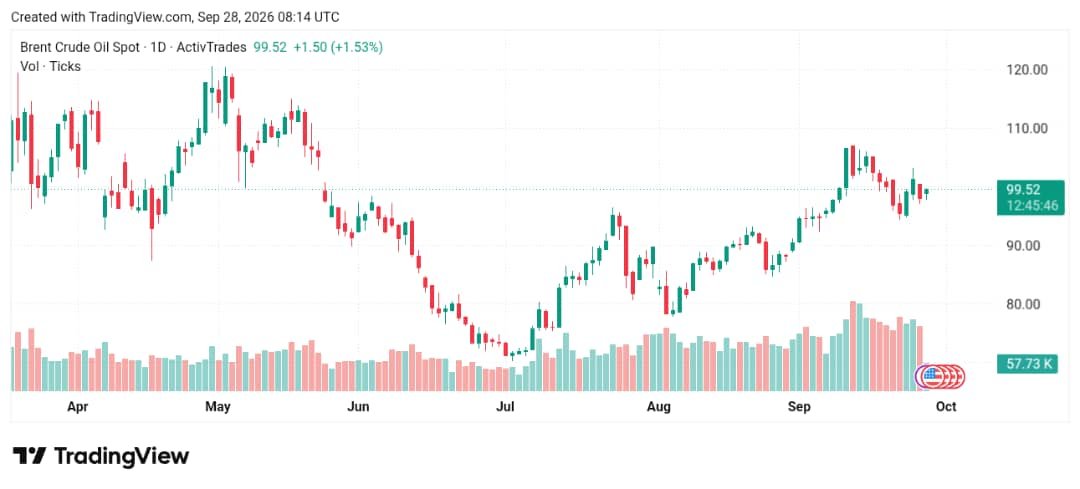
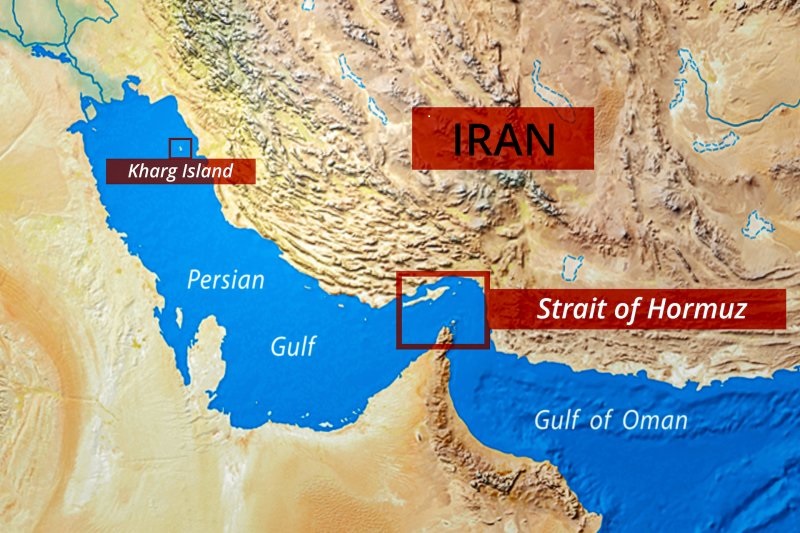
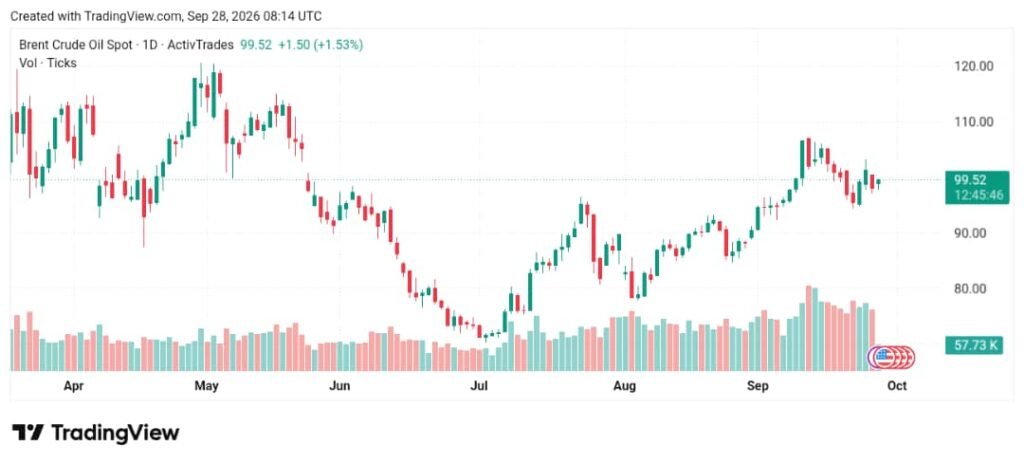
Oil prices rose about 2% on Wednesday as escalating fighting in Yemen and a reported attack on a Saudi refinery heightened concerns over global supplies.
Brent crude gained 1.6% to $115.69 per barrel, while US WTI rose 2.5% to $102.42. Prices also received support from an unexpected 1.9-million-barrel decline in US crude inventories, while traders await Sunday’s OPEC+ meeting for guidance on production levels.
Bank of Canada Raises Rate to 2.5% on Inflation Concerns
The Bank of Canada raised its key interest rate by 25 basis points to 2.5%, its first increase since July 2023, as rising energy costs fuel inflation concerns. It also raised its 2027 inflation forecast to 3.1% from 2%, warning that further rate hikes may be necessary.
US Trade Deficit Widens to $134.9 Billion on Record Imports
The US goods trade deficit rose 2.1% to $134.9 billion in September as imports hit a record $344.1 billion, driven by strong demand for AI-related equipment and consumer goods. Exports increased 2.6% to $209.2 billion, but economists warn that the widening deficit could weigh on third-quarter economic growth.
Namibia Raises Interest Rate to 7% Amid Inflation Risks
Namibia’s central bank raised its benchmark rate by 25 basis points to 7% to curb inflation driven by rising fuel prices and protect its currency peg to South Africa’s rand. Inflation reached 5.4% in September, while the bank maintained its 2026 growth forecast at 2.1%.
Nigeria’s Q2 Revenue Rises 13% to ₦10trn
Nigeria’s federally collected revenue rose 13% to ₦10trn in Q2 2026, achieving just 55% of the quarterly budget target of ₦18.3trn, according to the CBN. Oil revenue climbed 53% to ₦3.8trn, while non-oil receipts fell 2% to ₦6.3trn. First-half collections reached ₦18.9trn, below the pace needed to meet the ₦73trn annual target, increasing pressure on government borrowing.