

Akintunde Oyedokun
Research Analyst
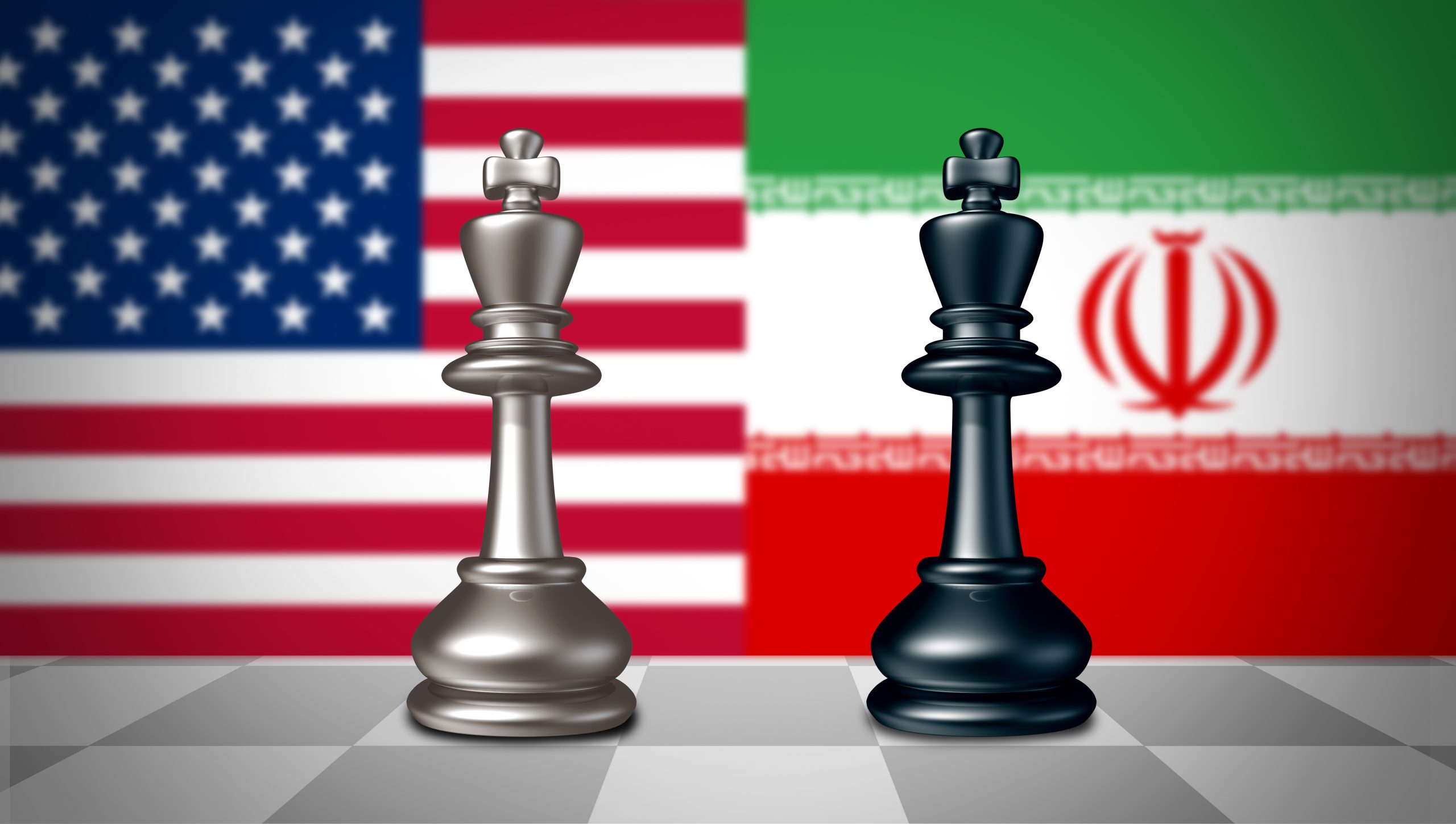
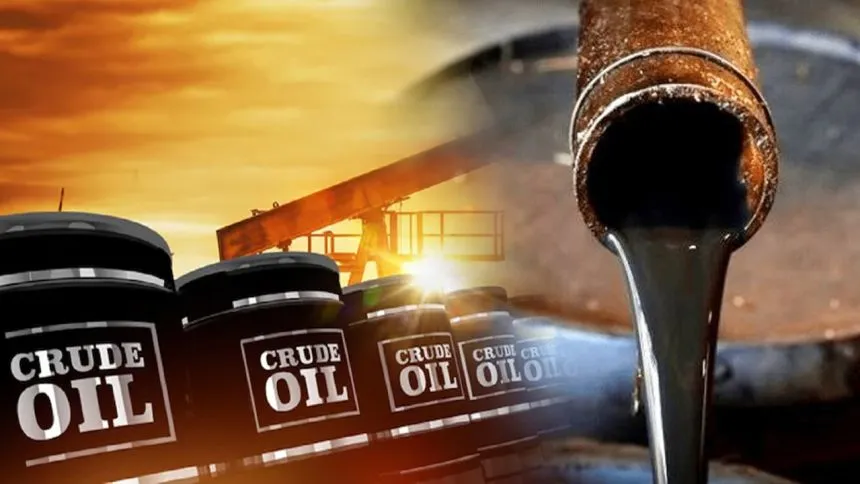
Oil prices fell more than 1% on Thursday as renewed conflict between the U.S. and Iran raised concerns over crude supplies through the Strait of Hormuz.
Brent crude dropped 1.4% to $76.90 per barrel, while U.S. WTI fell 1.6% to $72.32. Markets also weighed stronger U.S. economic data, inflation concerns and weaker demand prospects in China.
Mexico Inflation Hits Lowest Level Since 2020
Mexico’s annual inflation fell to 3.37% in June from 3.94% in May, its lowest level since December 2020 and below the 3.52% forecast. The reading returned to the central bank’s target range, supporting expectations that the benchmark interest rate will remain at 6.5% in the near term.
ECB Sees Inflation Above Target, Keeps Hike Path Open
The European Central Bank said inflation is likely to remain above its 2% target into 2027 despite projections that include nearly three quarter-point rate hikes. Minutes from its June meeting showed policymakers opted to keep their options open amid uncertainty over Middle East tensions. The ECB’s deposit rate stands at 2.25%.
Kenya’s Growth Outlook Cut As Middle East Conflict Raises Economic Risks
The World Bank cut Kenya’s growth forecast to 4.3% in 2026 and 4.4% in 2027, citing higher energy costs and uncertainty from the Iran conflict. It warned that rising prices could push up to 2.4 million more Kenyans into poverty, while climate risks and election-related uncertainty could further weigh on growth.
Firm Flags Risks To Nigeria’s $51bn Reserves
EBC Financial Group says Nigeria’s $51 billion external reserves remain vulnerable as they rely heavily on short-term portfolio inflows and oil earnings. The firm warned that weaker oil prices or declining investor confidence could reverse the gains, stressing that stronger long-term investment and sustained FX reforms are needed to keep reserves stable.